Qahwa, also known as Arabic coffee or kahwa, holds a special place in Middle Eastern and Arab culture, representing more than just a beverage. It's a symbol of hospitality, tradition, and social gatherings.
Looking for authentic Qahwa coffee? The best options include Al-Aqeeq Yemeni Coffee for single-origin Arabica, Café Najjar Turkish Coffee with Cardamom for traditional spiced coffee, and illy Arabica Selections Ethiopia for floral notes. Each offers unique flavor profiles rooted in centuries of Arab coffee tradition, from the mountains of Yemen to the coffeehouses of Lebanon.
Top 8 Qahwa Coffee Brands Compared
| Rank | Brand | Origin | Roast | Key Feature | Price |
|---|---|---|---|---|---|
| 1 | Al-Aqeeq Yemeni Coffee | Yemen | Medium | Single-origin Arabica | $19 |
| 2 | Al-Aqeeq Haraaz Region | Yemen | Medium | Organic, low-acid | $24 |
| 3 | AL MASNOON Saudi Qahwa | Saudi Arabia | Light | Saffron & ginger blend | $15 |
| 4 | AL MASNOON Arabic Qahwa | Saudi Arabia | Medium | Cardamom & saffron | $14 |
| 5 | illy Arabica Ethiopia | Ethiopia | Light | Jasmine notes | $14 |
| 6 | Café Najjar with Cardamom | Lebanon | Dark | Turkish-style | $16 |
| 7 | Yemen Fruits Chocolata | Yemen | Medium | Chocolate & fruit notes | $30 |
| 8 | Café Najjar 200g | Lebanon | Dark | Compact size | $9 |
1. Al-Aqeeq Yemeni Coffee, Medium Roast Whole Bean

This single-origin Arabica coffee from Yemen's mountains delivers authentic Yemeni flavors with a smooth, complex profile. Freshly roasted in small batches, it supports Yemeni farmers while providing peak freshness.
Perfect for coffee enthusiasts seeking genuine Middle Eastern coffee heritage. The medium roast brings out rich, nuanced flavors without overwhelming the bean's natural characteristics.
2. Al-Aqeeq Whole Bean Yemen Coffee, Haraaz Region

Sourced from Yemen's prestigious Haraaz Region, this specialty organic Arabica offers a full-bodied, low-acid experience. The medium roast technique locks in vibrant aroma and taste while maintaining the bean's delicate balance.
Ideal for those with sensitive stomachs who still want rich coffee flavor. The organic certification and direct sourcing ensure quality from farm to cup.
3. AL MASNOON Saudi Qahwa Light Roasted Coffee

This Saudi Qahwa features a unique light roast blended with saffron and ginger, creating a distinctive aromatic experience. The ground coffee format makes preparation easy while preserving traditional flavors.
Best for those seeking authentic Saudi coffee culture in a convenient format. The light roast and spice blend offer a smooth, culturally rich taste profile.
4. AL MASNOON Arabic Qahwa with Cardamom & Saffron
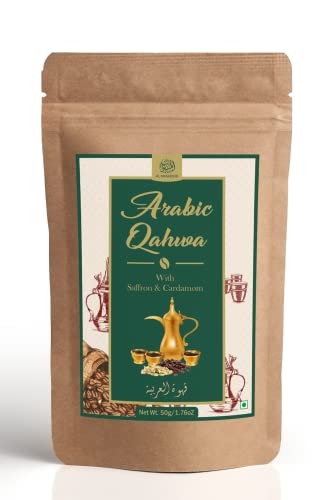
This traditional Arabic Qahwa infuses aromatic cardamom and saffron for a rich, bold flavor. The 50g pack provides an authentic coffee experience perfect for those exploring Arab coffee traditions.
Ideal for serving at special occasions or introducing guests to Arabic coffee culture. The cardamom and saffron create a luxurious, memorable cup.
5. illy Arabica Selections Ethiopia Whole Bean Coffee

This light roast Ethiopian Arabica reveals delicate floral notes with subtle jasmine aromas. Backed by decades of Italian roasting expertise, it offers a balanced, aromatic experience different from traditional spiced Qahwa.
Perfect for those who appreciate coffee's natural flavors without spices. The Ethiopian origin connects to coffee's legendary birthplace while illy's expertise ensures consistency.
6. Café Najjar Turkish Coffee with Cardamom (450g)

This dark roast Lebanese-style coffee features 100% Arabica beans expertly infused with aromatic cardamom. The vacuum-sealed packaging preserves freshness and flavor, while the generous 450g size suits regular coffee drinkers.
Best for those using Turkish coffee machines or traditional brewing methods. The dark roast and cardamom create an authentic Middle Eastern coffee experience.
7. Yemen Fruits Chocolata Whole Beans & Ground Coffee

This exquisite Yemeni coffee features the ancient Typica variety from the Haima region. The unique blend of Ja'adi, Dawairi, Udaini, and Old Typica varieties creates sweet, well-balanced flavors with chocolate-coated fruit and roasted almond notes.
Perfect for coffee connoisseurs seeking rare, heritage varieties. The passionate smallholder craftsmanship preserves Yemen's rich coffee history in every cup.
8. Café Najjar Turkish Coffee with Cardamom (200g)

This compact 200g version offers the same rich, aromatic blend of 100% Arabica dark roast with cardamom. The smaller size is perfect for trying Turkish coffee or those with limited storage space.
Ideal for beginners exploring Arabic coffee or travelers wanting authentic flavor in a portable package. The vacuum-sealed foil packaging ensures freshness despite the smaller size.
The Rich History of Qahwa
The story of Qahwa begins with a legendary tale in Ethiopia, where a goatherd named Kaldi noticed his goats became energized after eating red berries from a particular shrub. This discovery eventually led to coffee's journey across the Arabian Peninsula.
By the 15th century, Sufi monasteries in Yemen were cultivating and brewing coffee for nighttime devotions. Within these spiritual centers, the earliest forms of Qahwa were perfected, establishing traditions that continue today.
As coffee's reputation spread, it reached Mecca and Medina by the 16th century, becoming essential to Islamic religious gatherings. The drink's stimulating effects proved beneficial during long hours of prayer and ceremony.
Qahwa as Cultural Symbol
Offering Qahwa to guests became a cherished tradition across the Arab world, reflecting deeply ingrained cultural values of hospitality. The preparation and serving evolved into an art form, with each region adding unique touches to the brewing process.
The coffee is traditionally roasted on-site, ground fresh, and carefully brewed in a dallah—the iconic Arabic coffee pot. This hands-on approach ensures maximum freshness and allows for personalized flavor profiles.
How Qahwa Spread Beyond Arabia
The Ottoman Empire embraced Qahwa culture, establishing "qahveh khaneh" (coffeehouses) as social hubs for intellectual and cultural exchange. The Turks refined preparation techniques, adding cardamom and other spices to enhance flavor.
By the 17th and 18th centuries, coffeehouses emerged across Europe, sparked by Ottoman influence. Coffee's allure gradually spread throughout the continent, with coffeehouses mirroring Qahwa's role as centers of social interaction.
Today, Qahwa remains integral to Arab identity, cherished for its cultural significance and unique serving traditions. The aroma of freshly brewed Qahwa continues fostering community and connection across generations.
Traditional Qahwa Preparation
Preparing authentic Qahwa requires attention to detail and respect for tradition:
Ingredients:
- Freshly roasted Arabic coffee beans (light or dark roast)
- Fresh water
- Cardamom pods (optional)
- Optional spices: saffron, rosewater, cloves, or ginger
Equipment:
- Dallah (traditional Arabic coffee pot)
- Fenjals (small handleless coffee cups)
- Heat source
Steps:
- Roast the beans - If using green beans, roast until desired shade of brown
- Grind to medium-coarse - Avoid fine grinding to prevent bitterness
- Add coffee and water - Use approximately 2 tablespoons coffee per 3 cups water
- Add spices - Include cardamom pods or other aromatics
- Brew slowly - Let the coffee simmer for 15-20 minutes without over-boiling
- Create froth - Pour between dallah and cups several times
- Serve traditionally - Pour standing while guests are seated, fill cups partway
Unique Serving Traditions
Qahwa serving follows distinct customs and etiquette that enhance the cultural experience:
- Cups are filled only partway, allowing for multiple servings
- Three cups per guest is traditional
- The host stands while pouring
- The sound of pouring signals relaxation
- Coffee is typically unsweetened (qahwah saada)
- Dates or sweets accompany the coffee to balance bitterness
Arabic Coffee Reading
Coffee reading, or "qirāʾat al-finjān," is a fascinating practice similar to tea-leaf reading. After consuming solid Arabic coffee, a small amount of liquid remains in the cup. The cup is inverted onto a saucer to drain and dry.
A skilled reader then interprets patterns formed by the residue, looking for symbols and letters that reveal insights into the drinker's future or fate. This tradition adds mystique to the Qahwa experience.
Qahwa in Different Occasions
Family Gatherings: Qahwa ceremonies bring families together during holidays like Ramadan and Eid, symbolizing unity and shared values.
Weddings: Serving Qahwa at weddings honors guests and celebrates the union with traditional hospitality.
Funerals: Bitter, unsweetened coffee provides solace during mourning, with separate gatherings for men and women where coffee is served throughout the day.
▶ What makes Qahwa different from regular coffee?
▶ How do you pronounce Qahwa?
▶ Can you add milk to Qahwa?
▶ What spices are used in Qahwa?
▶ How many cups of Qahwa should you drink?
Conclusion
Qahwa represents more than a traditional beverage—it embodies Arab culture, hospitality, and centuries of shared tradition. From its origins in Ethiopian legends to its widespread acceptance across the Middle East, Arabic coffee remains integral to Arab identity.
Whether you choose authentic Yemeni beans from Al-Aqeeq, traditional Lebanese preparations from Café Najjar, or explore unique blends from Saudi Arabia, Qahwa offers a window into rich cultural heritage. As the aroma of freshly brewed Qahwa continues filling Arab households and gatherings, these time-honored customs ensure this tradition will be cherished for generations to come.