Can you use buttermilk instead of regular milk, cream, or even butter when making coffee?
You can technically put buttermilk in coffee, but it's not recommended. While buttermilk adds a creamy texture, its sour, tangy flavor clashes with coffee's natural taste, creating an unpleasant acidic brew. The pH levels of both (4.4-4.8 for buttermilk, 4.85-5.10 for coffee) combine to create an overly acidic drink that tastes similar to bitter yogurt. Better alternatives include butter, oat milk, almond milk, or condensed milk.
If you're interested in learning more about enjoying coffee with buttermilk and better alternatives, just read on!
Quick Answer: Why Buttermilk Doesn't Work in Coffee
- Flavor clash: Buttermilk's sourness ruins coffee's taste
- Too acidic: Both are acidic, creating an unpleasant brew
- Curdling risk: Hot coffee causes buttermilk to curdle
- Better options exist: Butter, oat milk, and condensed milk work better
What is Buttermilk?
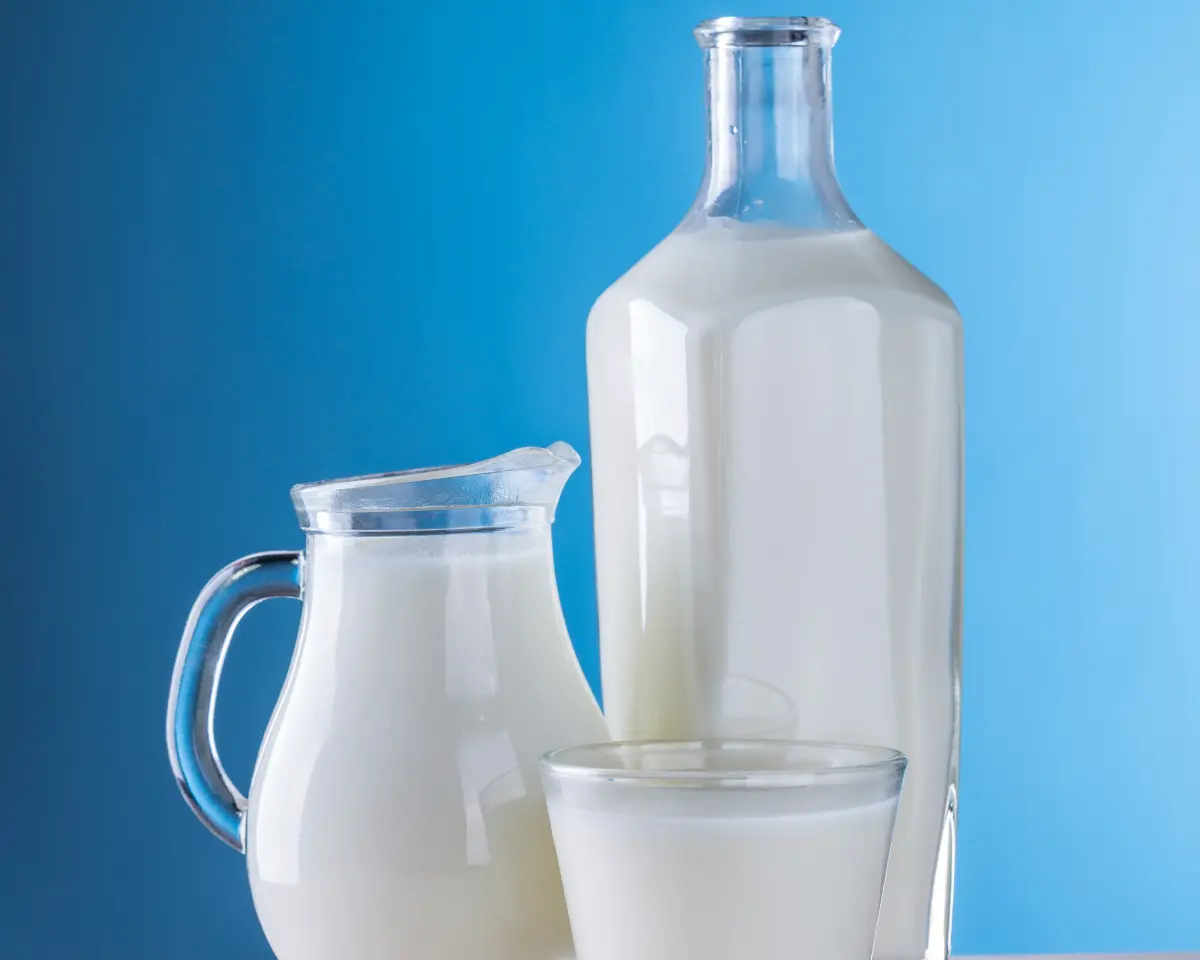
Buttermilk is the milky liquid produced as a byproduct of butter churning. In other words, it's the leftover liquid after butter has been churned from cream.
Most buttermilk today is cultured, meaning it's been loaded with beneficial bacteria through fermentation. This differs from traditional buttermilk, which is rarely encountered in Western countries anymore.
Buttermilk works wonderfully in culinary applications like biscuits, pancakes, and marinades. It's a staple in American Southern cooking, but some people experiment with it as a coffee additive.
.webp)
How Does Buttermilk Taste?
Buttermilk has a flavor similar to sour milk or plain yogurt. This sour taste is produced naturally as a byproduct of bacterial fermentation.
The fermentation process converts milk sugar into lactic acid, making buttermilk taste less sweet and significantly sourer than regular milk.
Modern cultured buttermilk is smooth and creamy in texture. Traditional buttermilk, on the other hand, has a watery and thin consistency, though both share the same tangy flavor profile.

Can You Put Buttermilk In Coffee?
Yes, you can technically add buttermilk to coffee, but it's not recommended.
The idea may sound appealing—you might expect a rich, velvety coffee with a sweet aftertaste. However, the reality is quite different. When you combine buttermilk with coffee for the first time, you'll likely be disappointed by the flavor.

Does Buttermilk Taste Good In Coffee?
No, buttermilk doesn't taste good in coffee despite its creamy texture.
While buttermilk can add a velvety smoothness to your cup, the flavor combination is far from pleasant. Coffee isn't particularly complementary to buttermilk's tangy taste.
When you mix the two together, you get something that tastes like sour Greek yogurt—gritty, bitter, and unpleasant. The sourness overwhelms coffee's natural flavors, creating an unbalanced brew that most people find undrinkable.
Is Buttermilk Good In Coffee?
The Pros
Some people use buttermilk as a milk alternative for coffee to achieve a creamy texture without regular milk.
From a nutritional standpoint, buttermilk is a good source of calcium and phosphorus, which help build muscle and protect against osteoporosis. It's also naturally low in sugar and carbohydrates, with sugars derived entirely from lactose.
Additionally, buttermilk has a longer shelf life than fresh whole milk, making it a practical option for people who don't consume much milk.
The Cons
The biggest drawback is taste. Buttermilk has a bitter, tangy aftertaste similar to eggnog. Adding it to an already acidic drink like coffee only makes things worse.
The pH of buttermilk ranges from 4.4 to 4.8, while coffee's pH is between 4.85 and 5.10. Mixing them together creates an overly acidic brew that's neither pleasant nor balanced.
The combination simply doesn't appeal to most taste buds. While some people seek milk alternatives for health or dietary reasons, there are much better options available.
Does Buttermilk Curdle In Coffee?
Yes, adding buttermilk to hot coffee will cause it to curdle and become sour.
The heat and acidity of coffee destabilize the proteins in buttermilk, causing separation and curdling. This creates an unappetizing texture with clumps floating in your coffee.
Better Alternatives to Buttermilk for Coffee
Looking for alternatives to buttermilk? Here are better options that enhance coffee's flavor without ruining the taste or texture.
Butter
If you want a buttery flavor, skip buttermilk and use real butter instead.
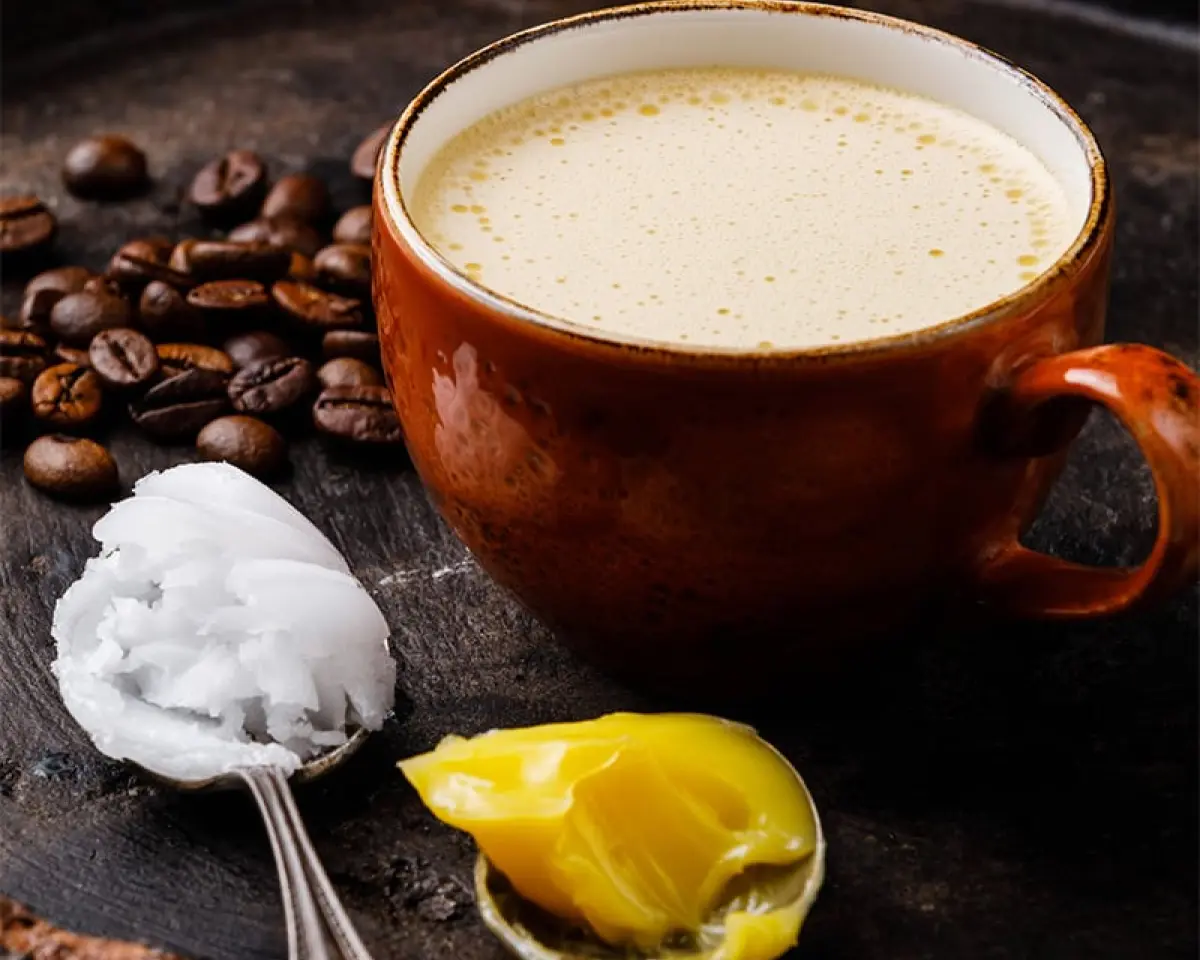
Butter won't curdle when combined with coffee. It gives your coffee a mellow, smooth, and slightly sweet taste. This is the basis for popular "bulletproof coffee" recipes.
Source: Cooked and Love
Condensed Milk
Condensed milk is concentrated milk with much of the water removed. The reduction process creates a rich texture, and added sugar enhances the natural sweetness.
You can use condensed milk instead of coffee creamer and heavy cream with excellent results. It's affordable compared to coffee shop beverages and has a very long shelf life when stored properly.

Source: 4sonrus
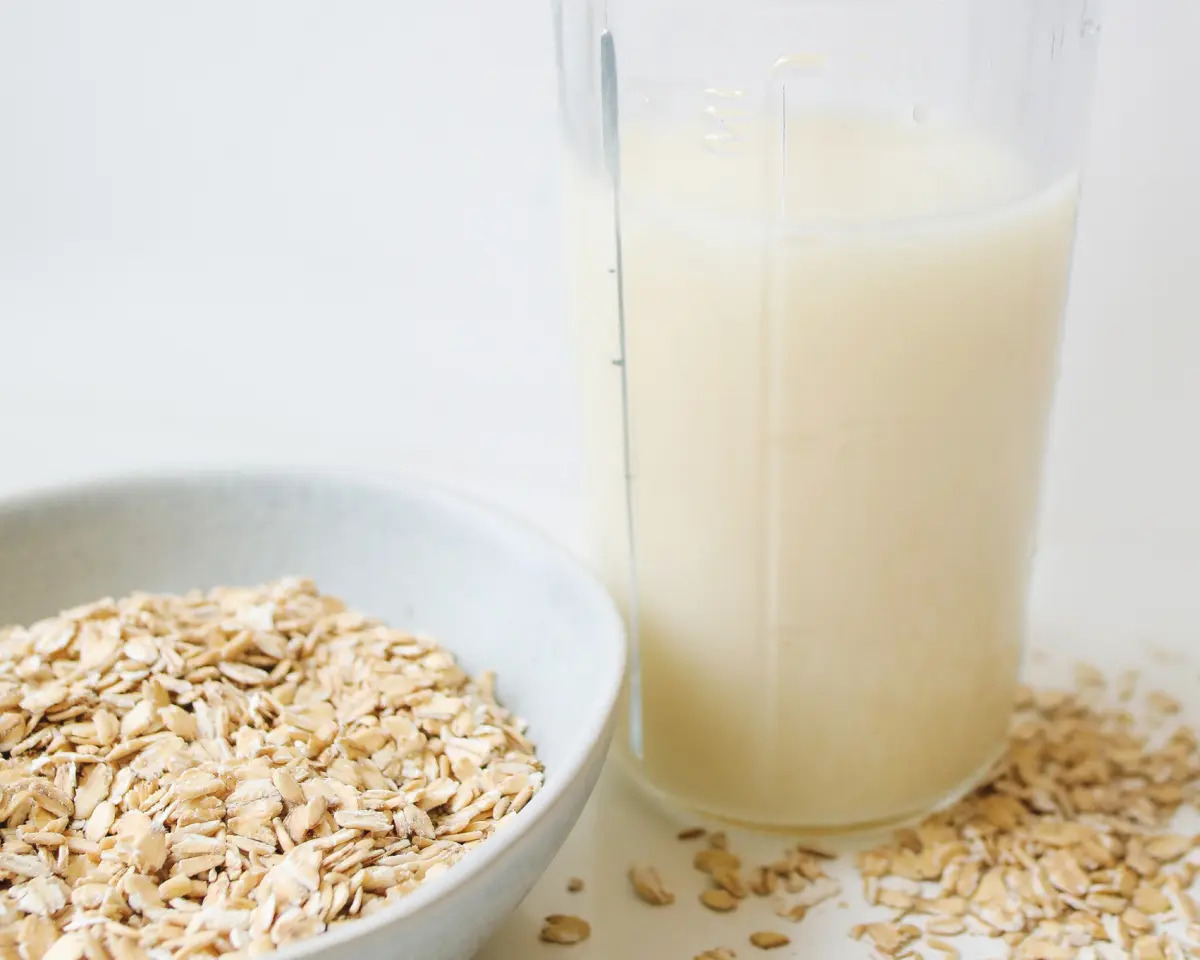
Oat Milk
Oat milk pairs wonderfully with morning coffee. It has a unique, smooth consistency and is often sweetened, adding another dimension to your cup.
It's vegan-friendly and a good source of fiber (which aids digestion) and calcium (which supports healthy bones and teeth). The natural sweetness and creamy texture make it a popular choice at coffee shops.
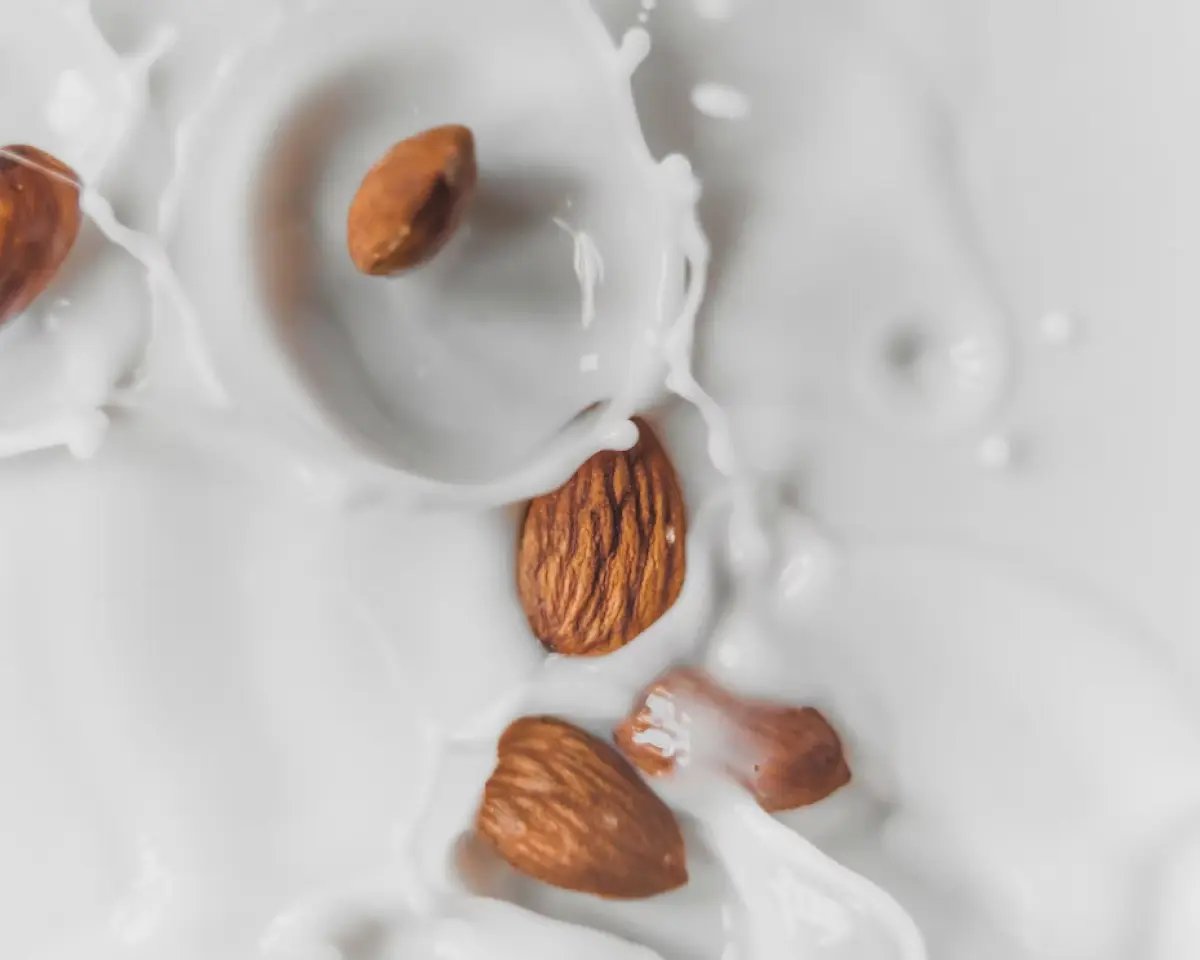
Almond Milk
Almond milk has become a staple at many cafés and is an excellent alternative for those who must avoid dairy.
This non-dairy replacement tastes almost exactly like milk, just sweeter. It adds a subtle nutty aftertaste that complements coffee's natural bitterness, creating a balanced flavor profile.
Soy Milk
Soy milk is a fantastic dairy alternative that makes coffee smooth and creamy. It has natural sweetness, so you won't need additional sweeteners.
It pairs best with darker roasts, which have less acidity. However, soy milk's unstable pH can cause it to curdle in coffee after a few minutes, so it's best to add it to cooler coffee or use a stabilized variety.

Source: Our Plant Based World
Frequently Asked Questions
Can buttermilk replace regular milk in coffee?
Technically yes, but it's not recommended. Buttermilk's sour, tangy flavor clashes with coffee's taste, creating an unpleasant acidic brew. Better alternatives include oat milk, almond milk, or condensed milk.
Why does buttermilk taste sour?
Buttermilk tastes sour because of lactic acid produced during fermentation. Beneficial bacteria convert milk sugar (lactose) into lactic acid, giving buttermilk its characteristic tangy flavor.
Will buttermilk curdle in hot coffee?
Yes, buttermilk will curdle when added to hot coffee. The heat and acidity destabilize the proteins in buttermilk, causing separation and curdling, which creates an unappetizing texture.
Is buttermilk healthier than regular milk?
Buttermilk is lower in calories and sugar than regular milk and provides good amounts of calcium and phosphorus. However, it's not necessarily "healthier"—just different nutritionally. Choose based on your dietary needs and taste preferences.
What's the best milk alternative for coffee?
The best alternative depends on your preferences. Oat milk offers creaminess, almond milk adds nuttiness, soy milk provides protein, and condensed milk adds sweetness. Experiment to find what you enjoy most.
Final Thoughts
While you can technically put buttermilk in coffee, it's not a combination we recommend. Buttermilk's sour, tangy flavor and acidic pH clash with coffee's natural taste, creating an unpleasant brew that most people find undrinkable.
If you're looking for a creamy coffee experience, skip the buttermilk and try butter, oat milk, almond milk, or sweetened condensed milk instead. These alternatives provide the texture you want without ruining your coffee's flavor.
The simple fact is that what you add to coffee should enhance—not overpower—its natural taste. While buttermilk has nutritional benefits and works wonderfully in cooking, it's simply not suited for coffee.