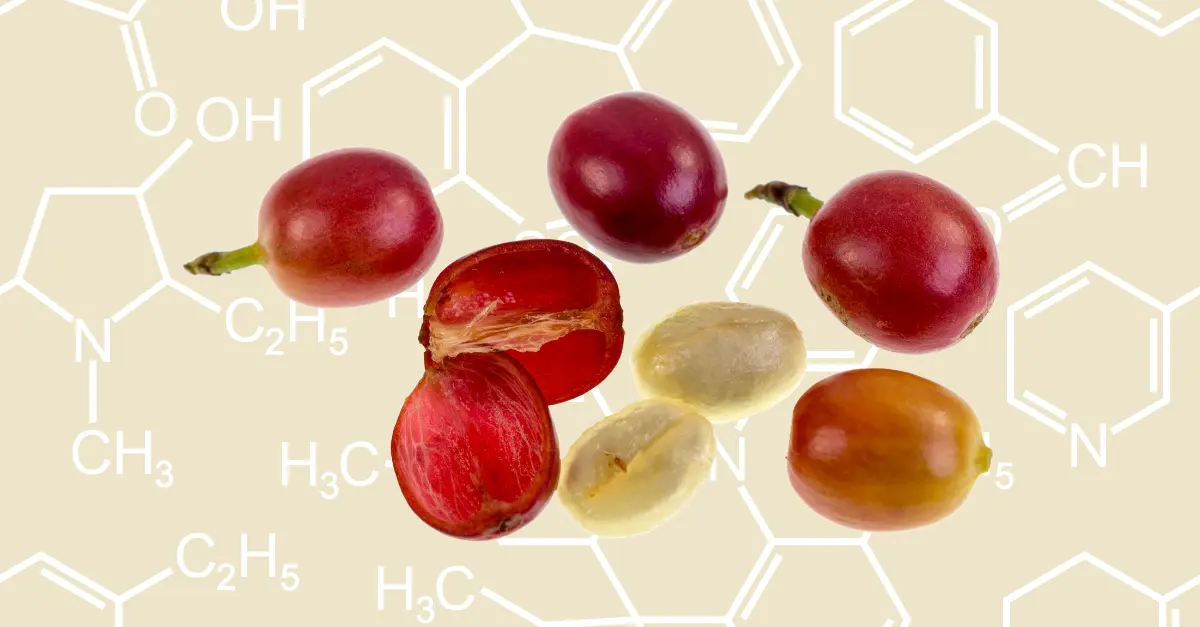
Coffee beans are seeds from the coffee cherry fruit, composed of seven distinct anatomical parts: skin (exocarp), pulp (mesocarp), mucilage, parchment (endocarp), silver skin, endosperm, and embryo. Understanding these structures and their chemical composition—including carbohydrates, lipids, amino acids, chlorogenic acids, minerals, and caffeine—helps explain how coffee develops its unique flavors and aromas during roasting. This knowledge is essential for coffee professionals and enthusiasts alike.
Quick Summary: The 7 Parts of a Coffee Bean
The coffee cherry consists of two main sections:
Pericarp (Outer Fruit):
- Skin (Exocarp) - Protective outer layer that changes from green to red/yellow
- Pulp (Mesocarp) - Fleshy layer beneath the skin
- Mucilage - Sugar-rich gel that forms as the cherry matures
- Parchment (Endocarp) - Hard protective hull around the seed
Seed (Coffee Bean):
- Silver Skin - Thin membrane that falls off during roasting
- Endosperm - The bulk of the bean containing flavor compounds
- Embryo - Inner core with genetic material for growth
What Is The Cherry Part Of A Coffee Bean?
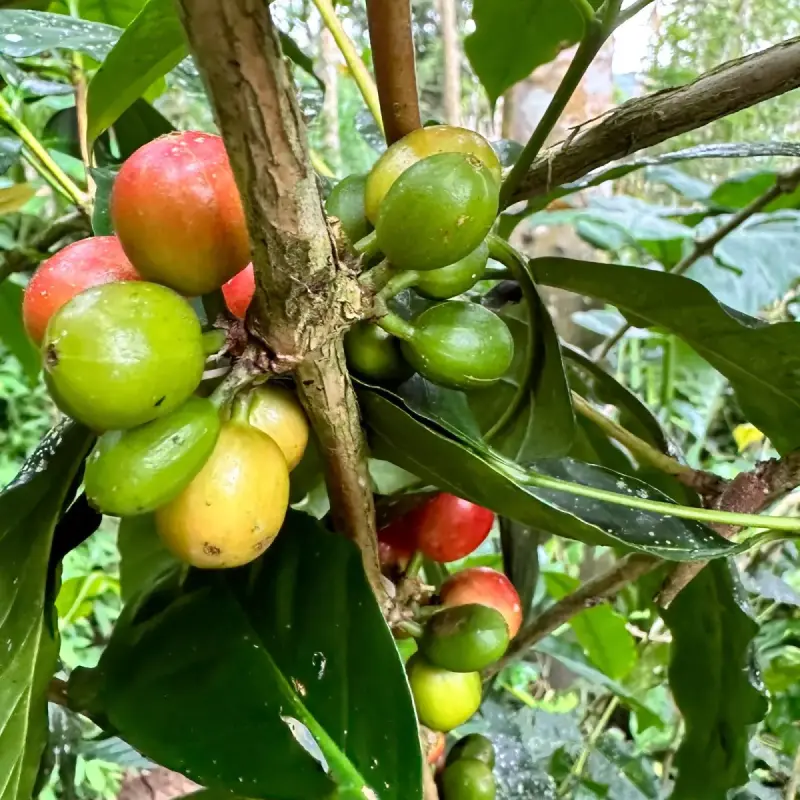
The coffee cherry is the entire fruit that grows on the coffee plant. Despite being called a "bean," what we brew is actually the seed of this stone fruit. The cherry gets its name from its appearance—it looks remarkably similar to an actual cherry.
Inside each coffee cherry, you'll typically find two seeds (beans) nestled together with flat sides facing each other. When these seeds are extracted and roasted, they become the whole coffee beans we're familiar with. The cherry itself is divided into two primary structures: the pericarp (outer fruit layers) and the seed (inner bean).
The 7 Parts Of A Coffee Bean Explained
The Pericarp: Four Protective Layers
The pericarp forms the outer fruit structure, providing protection and nourishment during the bean's development.
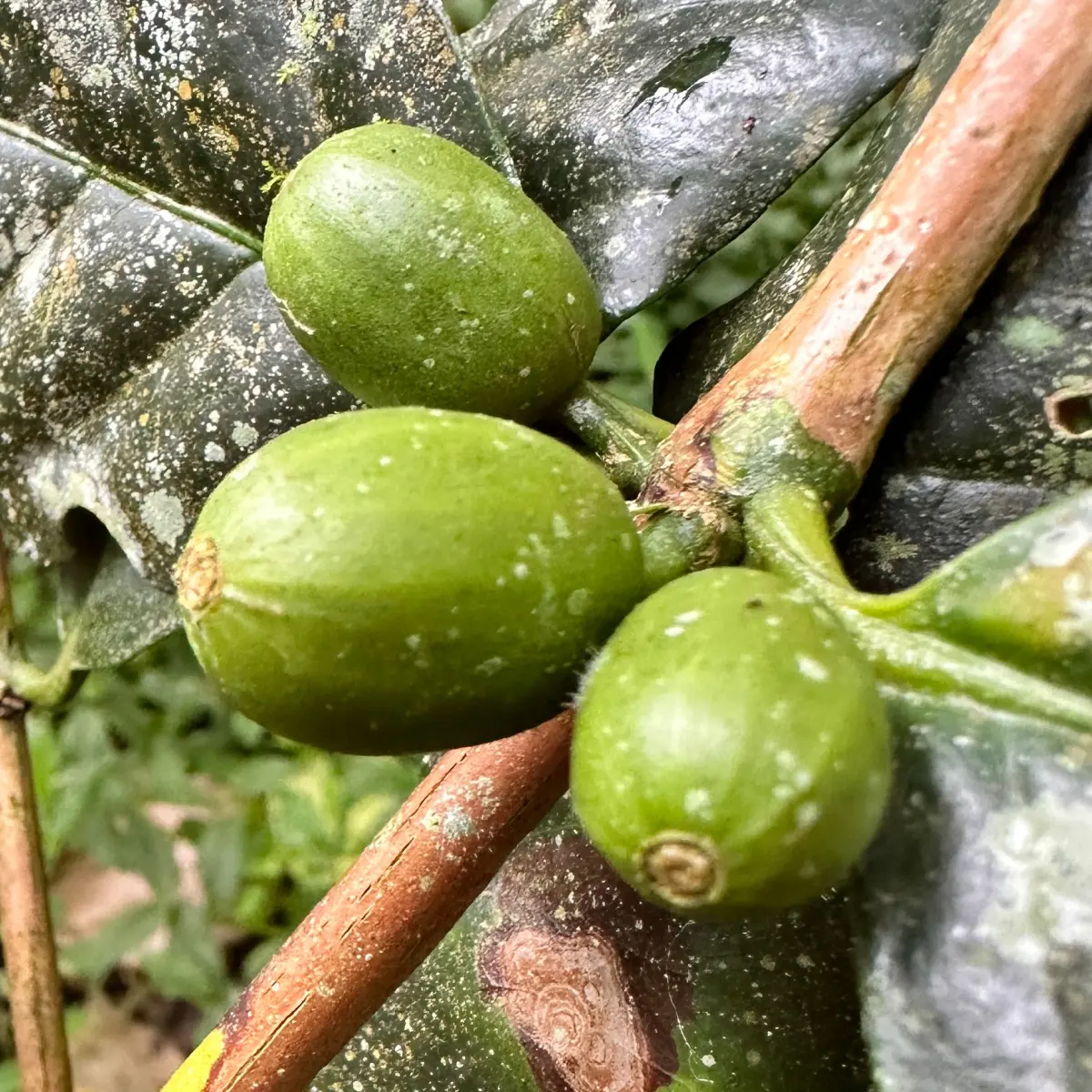
1. The Skin (Exocarp)
The exocarp is the outermost protective layer—essentially the coffee cherry's peel. This single-cell layer of parenchyma cells performs crucial functions:
- Absorbs water from the environment
- Contains chloroplasts for photosynthesis
- Changes color as the fruit matures
All coffee cherries start green due to chloroplast pigments. As the fruit ripens and chloroplasts break down, the skin transitions to red, yellow, or even orange depending on the coffee variety and its color pigments.
2. The Pulp (Mesocarp) & Mucilage
Located directly beneath the skin, the mesocarp is the pulp of the coffee cherry. It's often discussed together with the mucilage since they work in tandem.
During early development, the pulp remains firm. As the cherry matures, it secretes pectolytic enzymes that break down pectin chains, transforming the tissue into a soft, sugar-rich gel called mucilage. This transformation is crucial for flavor development.
Altitude Impact: At higher elevations, mucilage develops higher sugar concentrations. This explains why high-altitude coffees processed using the dry method (where the entire pericarp remains intact during drying) produce sweeter flavors. In contrast, wet processing removes the mucilage through fermentation, creating different taste profiles.
3. The Parchment (Endocarp)
The parchment is the innermost layer of the pericarp—a protective hull that directly surrounds the coffee seed. Made of tough sclerenchyma cells, this layer behaves opposite to the mucilage: it hardens as the cherry matures.
The parchment's hardening process actually determines the final bean size. This is why Arabica beans tend to be smaller than Robusta beans—their parchment layer constricts differently during development.
The Seed: Three Internal Components
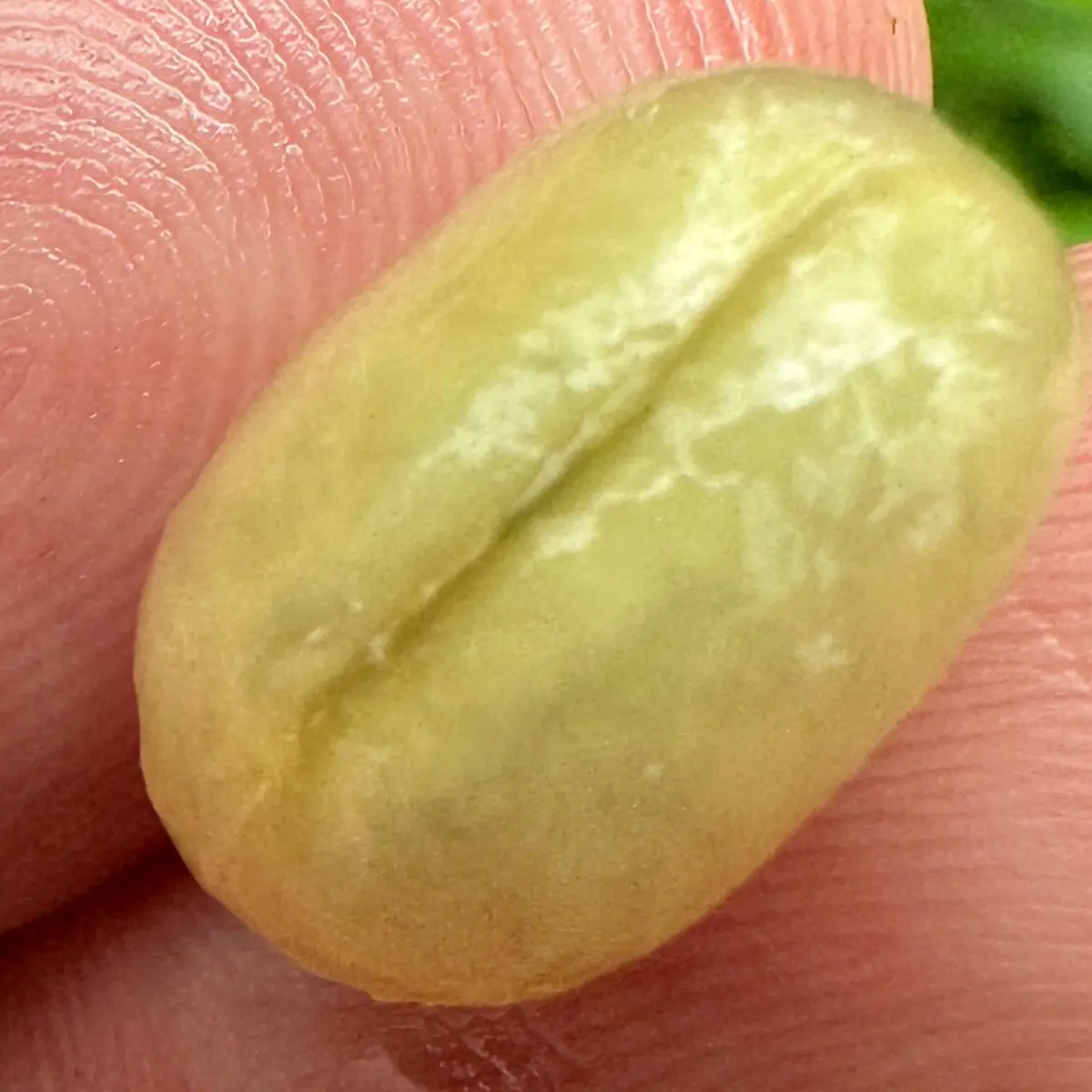
The seed or bean itself contains three distinct parts that determine the coffee's potential flavor.
4. Silver Skin (Spermoderm)
Also called the perisperm, this paper-thin layer is the outermost covering of the seed. It's part of the original ovule and serves as the final protective barrier during growth.
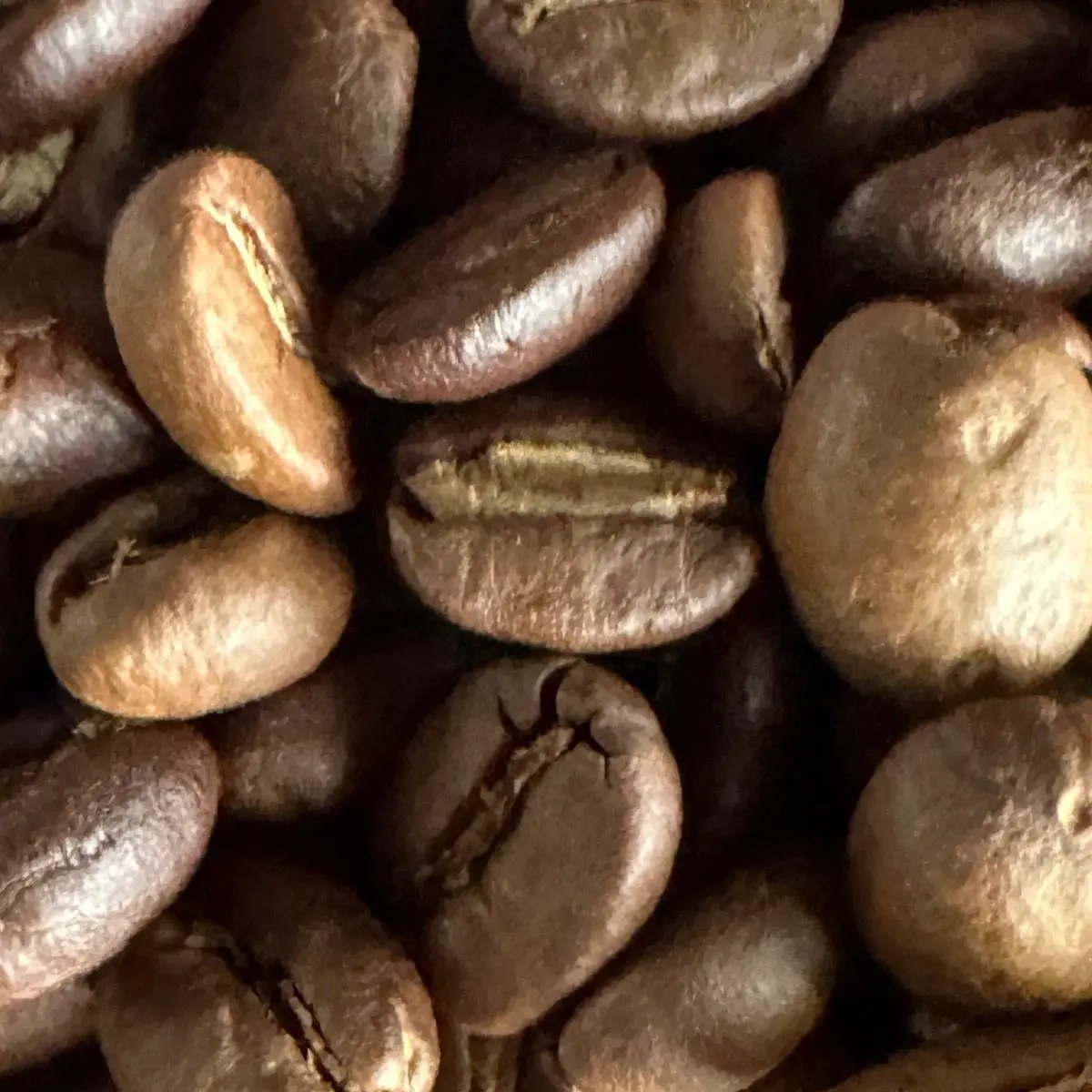
The silver skin's most notable characteristic is its fate during roasting. As beans expand from heat, this membrane sheds off as chaff—a natural byproduct you'll notice when roasting coffee. The silver skin essentially completes its protective job once roasting begins.
5. Endosperm: The Flavor Powerhouse
The endosperm makes up the bulk of the coffee bean and plays the starring role in coffee's flavor and aroma. This reserve tissue is where the magic happens—it's packed with both soluble and insoluble compounds that create coffee's complex taste profile.
Soluble Components:
- Caffeine (the stimulant we crave)
- Trigonelline (contributes to aroma)
- 18+ types of chlorogenic acids
- Sugars and saccharides
- Proteins and amino acids
- Minerals
- Carboxylic acids
Insoluble Components:
- Polysaccharides
- Cellulose and hemicelluloses
- Lignin
- Lipids and fats
- Additional proteins and minerals
During roasting, these compounds undergo Maillard reactions (chemical reactions between amino acids and sugars). The resulting transformations create the hundreds of flavor compounds that give coffee its distinctive taste. Factors affecting this process include:
- Original chemical composition
- Growing region and soil
- Altitude and climate
- Processing method
- Roast level and duration
6. Embryo: The Genetic Blueprint
At the very center of the coffee seed lies the embryo, composed of the hypocotyl and two cotyledons. While invisible in roasted coffee, it serves a vital purpose during germination.
The hypocotyl acts as the engine during sprouting—it expands and pushes the seed above ground. Meanwhile, the cotyledons remain underground, providing initial nutrition while new leaves develop.
Though the embryo survives roasting intact, it houses all the genetic material needed for a coffee plant to grow. This is why coffee farmers can plant seeds to propagate their crops.
Chemical Elements Composing a Coffee Bean
Understanding coffee chemistry isn't just academic—it helps explain why different coffees taste so different and how to optimize roasting and brewing.
Carbohydrates (Major Component)
Coffee beans contain both simple and complex carbohydrates:
Simple Sugars:
- Fructose, glucose, and galactose (monosaccharides)
- Sucrose, raffinose, and stachyose (oligosaccharides)
Complex Polysaccharides:
- Polymers of galactose, mannose, arabinose, and glucose
Sugars play multiple roles in coffee quality. They enhance sweetness in the final cup and undergo caramelization during roasting, creating brown colors and complex flavors. Carbohydrates also affect brewing by increasing extraction viscosity, stabilizing foam, and binding aromatic compounds.
Lipids and Fatty Acids (6-17% of Bean Mass)
The primary fatty acids in coffee are:
- Linoleic acid
- Palmitic acid
- Small amounts of triacylglycerols, diterpene esters, and sterols
Lipids serve as aroma carriers, helping preserve coffee's fragrance during storage. However, when exposed to oxygen, these fats gradually oxidize—this is why improperly stored coffee loses its aroma and develops stale, rancid flavors over time.
Free Amino Acids and Proteins
Coffee contains various amino acid types that, during roasting, react with carbohydrates in the Maillard reaction. This interaction is responsible for developing the roasted aroma and brown color we associate with coffee. Without amino acids, coffee would lack much of its complex flavor profile.
Acids (Flavor Contributors)
Coffee contains numerous acids that shape its taste:
Volatile Acids:
- Formic acid
- Acetic acid
Non-Volatile Aliphatic Acids:
- Citric, malic, and tartaric acids (contribute brightness)
- Lactic, pyruvic, and quinic acids
- Succinic and glutaric acids
These acids create coffee's characteristic brightness and complexity. Different processing methods and roast levels affect which acids dominate.
Chlorogenic Acids (6% of Bean Composition)
Chlorogenic acids are among the most important flavor compounds in coffee. This group includes various quinic acid polymers along with lipids, lignin, and wax compounds.
Different coffee varieties contain varying levels of chlorogenic acids. These compounds strongly influence taste—they contribute to both desirable complexity and potentially bitter flavors, especially if coffee is over-extracted or brewed too long.
Minerals (Terroir in a Cup)
Coffee beans contain an impressive mineral profile:
Major Minerals:
- Potassium (highest concentration)
- Calcium
- Magnesium
Trace Elements:
- Phosphate
- Sulfate
- Various other minerals
Mineral content varies significantly based on soil composition and growing region—this is part of what we call "terroir." These minerals contribute to coffee's body and mouthfeel while also affecting extraction during brewing.
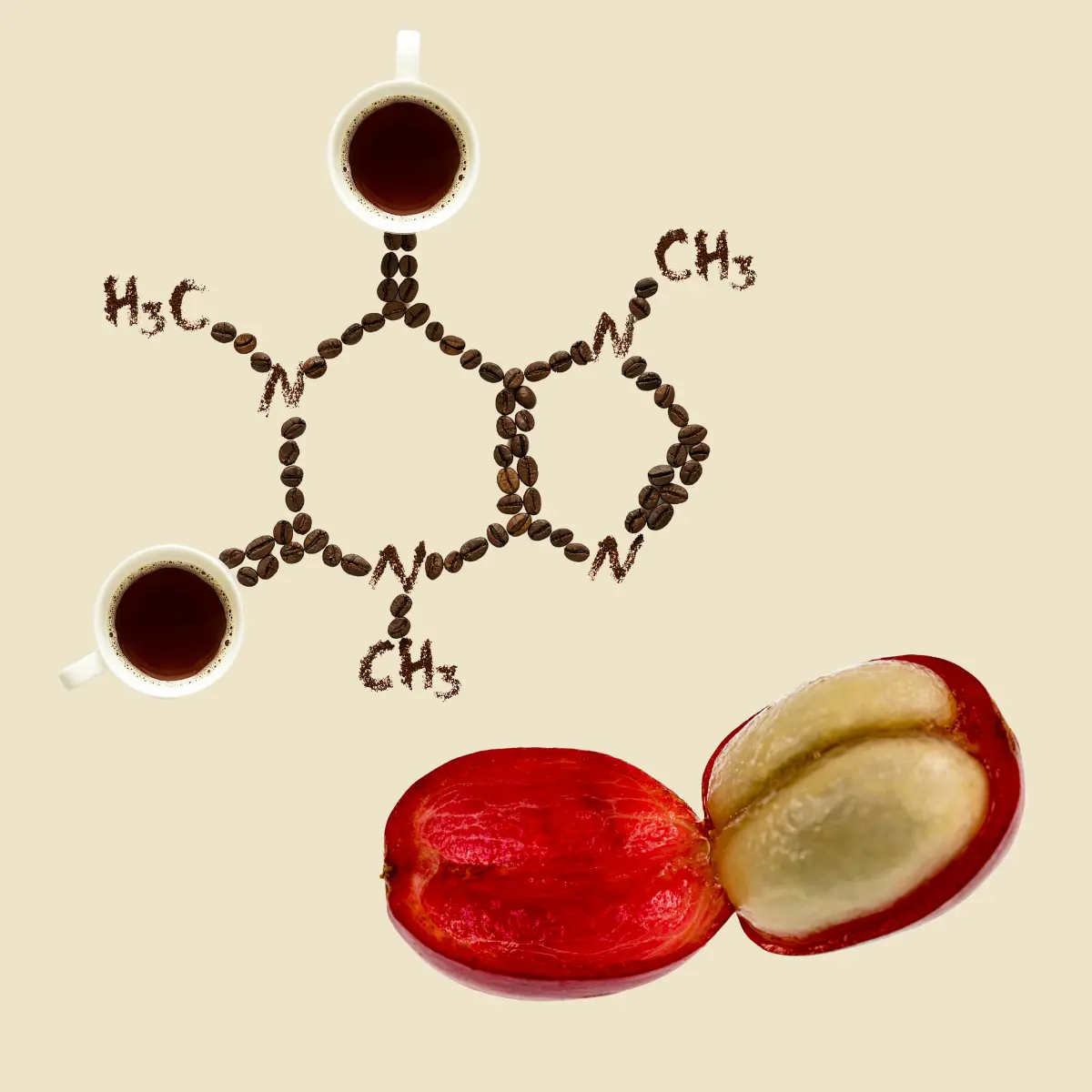
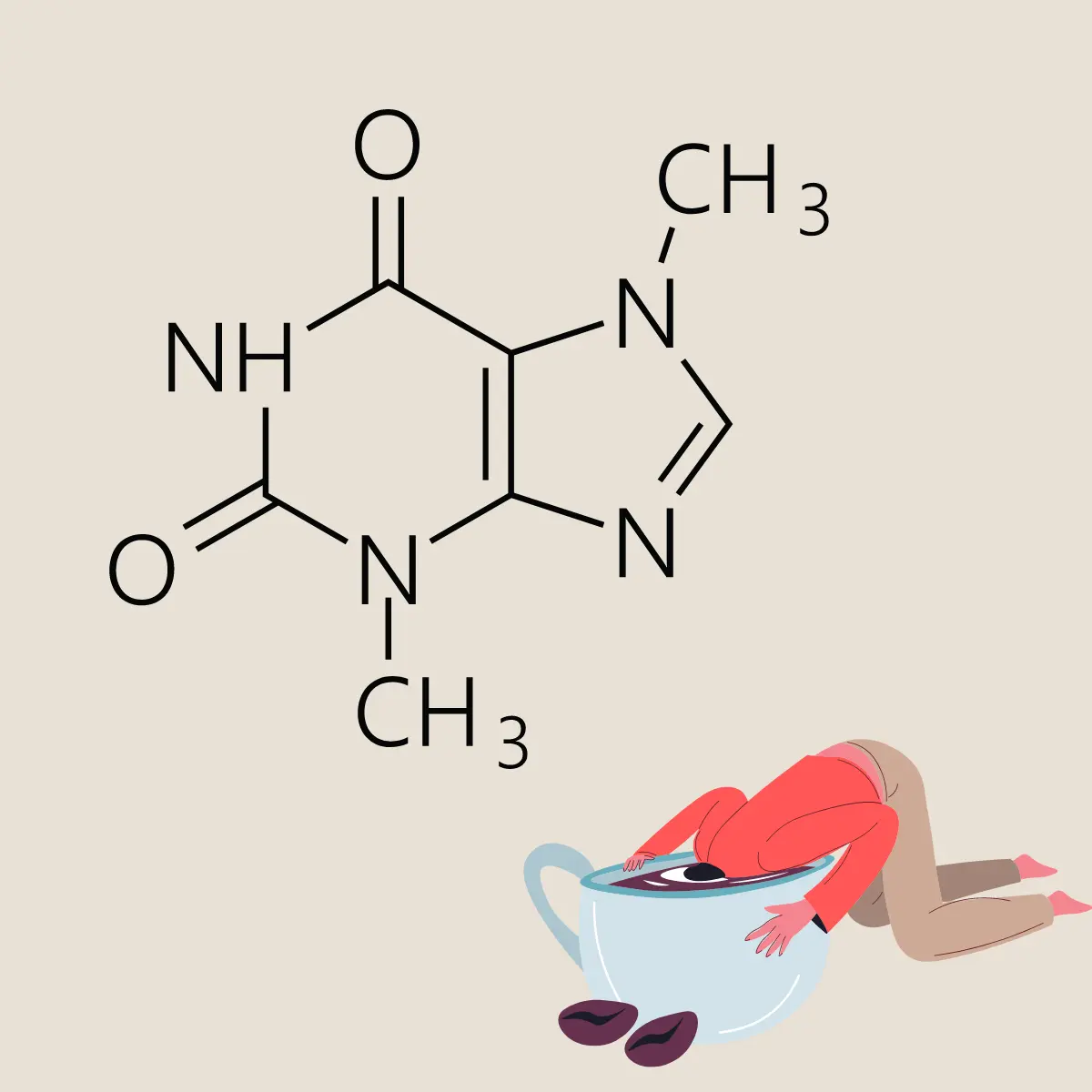
Caffeine and Alkaloids (0.8-2.5% of Bean)
Caffeine is coffee's most famous compound, belonging to a group that includes:
- Caffeine (primary stimulant)
- Trigonelline (up to 0.6% in green coffee, 50% decomposes during roasting)
- Trace amounts of theophylline and theobromine
Caffeine provides the stimulating effects we crave—it activates the central nervous system, improves circulation, and increases respiration. It also contributes to coffee's slightly bitter taste.
Caffeine makes up roughly 10% of the coffee bean's chemical composition. Contrary to popular belief, darker roasts contain slightly less caffeine than lighter roasts because extended roasting breaks down some caffeine molecules. However, the difference is minimal—roast level affects flavor far more than caffeine content.
Aroma Compounds (Hundreds of Volatiles)
Coffee contains over 800 volatile aromatic compounds that develop during roasting. These fall into several categories:
- Sweet and caramel notes
- Chocolate and nutty tones
- Fruity and floral notes
- Smoky and toasty characters
- Earthy and spicy elements
The specific aroma profile depends on bean origin, processing method, and roasting technique. This complexity is why coffee sommeliers can identify so many distinct flavor notes in a single cup.
Why Understanding Coffee Anatomy and Chemistry Matters
This isn't just coffee geek trivia—knowing bean anatomy and chemistry has practical applications:
For Coffee Buyers and Roasters
Bean Grading: Physical characteristics like size, density, and defect count determine coffee grades. Understanding anatomy helps identify quality beans.
Roast Profile Development: Knowing chemical composition allows roasters to design better roast profiles. For example, beans with higher sugar content benefit from different roasting curves than those with more chlorogenic acids.
Quality Control: Large roasters conduct composition analysis to ensure consistency across batches and optimize their roasting plans.
Bean Size and Quality Relationships
Bean size directly correlates with grade and is influenced by:
- Coffee species (Robusta vs. Arabica)
- Growing altitude
- Processing method
- Regional characteristics
Robusta beans are naturally larger and contain up to twice the caffeine of Arabica. Their higher caffeine content creates a more bitter, earthy taste profile. While traditionally considered lower quality, Robusta's strong flavor and rich crema make it popular for espresso blends.
Arabica beans are smaller and more delicate, thriving at higher altitudes (typically above 3,000 feet). This high-altitude growth increases mineral content and complexity, creating more nuanced flavors. The challenging growing conditions make Arabica more expensive but more prized by specialty coffee enthusiasts.
Potential Toxic Elements in Coffee Beans
While coffee is generally safe, certain toxic compounds can appear under specific conditions:
Acrylamide (Formed During Roasting)
This compound forms naturally in trace amounts when coffee is roasted at high temperatures. It's a byproduct of the Maillard reaction that creates coffee's flavor and color.
The levels in coffee are minimal and considered safe by health authorities. There's no practical way to eliminate it completely while still roasting coffee—it's an inevitable result of the chemical reactions that make coffee taste like coffee.
Mycotoxins (Mold-Related Compounds)
Two mycotoxins can potentially affect coffee:
Aflatoxin B1: This known carcinogen can appear in coffee grown with certain chemical pesticides. To avoid it:
- Purchase organic, sustainably-grown coffee
- Buy from roasters who source transparently
- Look for third-party testing certifications
Ochratoxin A: This fungal toxin forms when coffee is improperly stored and develops mold. It's entirely preventable through proper handling:
How to Avoid Ochratoxin:
- Buy freshly roasted coffee from reputable roasters
- Store beans in airtight containers away from moisture, light, and heat
- Choose small-batch roasters who move inventory quickly
- Avoid suspiciously cheap coffee from unknown sources
- Consider buying green beans and roasting yourself for ultimate freshness
Quality roasters follow strict storage protocols, making mycotoxin contamination extremely rare in specialty coffee. The risk is highest with mass-market coffee that sits in warehouses for extended periods.
Frequently Asked Questions
▶ What's the difference between a coffee bean and a coffee cherry?
▶ Why are some coffee beans larger than others?
▶ Does roast level affect the chemical composition of coffee beans?
▶ What causes coffee to go stale?
▶ How do processing methods affect bean chemistry?
▶ Why does altitude matter for coffee quality?
Conclusion
Understanding coffee bean anatomy and chemistry isn't just fascinating—it's fundamental to appreciating and working with coffee. The seven anatomical parts work together to create a seed packed with hundreds of chemical compounds, each contributing to the final cup's flavor, aroma, and character.
Whether you're a roaster optimizing your roast profiles, a buyer evaluating bean quality, or an enthusiast wanting to understand what's in your cup, this knowledge provides the foundation for everything else you'll learn about coffee. The next time you brew a cup, you'll know exactly how all those layers and compounds came together to create that perfect morning ritual.
From the protective cherry skin to the flavor-packed endosperm, every part plays a role in coffee's journey from seed to cup. And that's something worth savoring.