Looking for a zero-waste alternative to disposable coffee cups? The best edible coffee cups include the ASTOR Dark Chocolate Liqueur Cups ($21), Waffetto Chocolate-Lined Cookie Cups ($15), and Lang's Chocolates Dark Chocolate Shot Glasses ($25), all offering sustainable, waste-free coffee enjoyment. These innovative cups hold hot beverages for up to 40 minutes without leaking and add a sweet treat to your morning routine.
We globally discard 250-500 billion coffee cups annually—enough to wrap around Earth 500+ times. Most are lined with plastic, making them nearly impossible to recycle. Edible coffee cups solve this by creating zero waste. Drink your coffee, eat the cup, done.
Quick Comparison: Top 5 Edible Coffee Cups
| Rank | Product | Price | Best For | Key Feature |
|---|---|---|---|---|
| 1 | ASTOR Chocolate Liqueur Cups | $21 | Dessert lovers | Belgian dark chocolate, dairy-free |
| 2 | Waffetto Cookie Cups | $15 | Coffee purists | Perfect espresso size, gift-ready |
| 3 | Lang's Chocolate Shot Glasses | $25 | Entertaining | Handcrafted, gluten-free |
| 4 | Misses Sweet Wafer Cups | $48 | Eco-conscious | 100% biodegradable, versatile |
| 5 | Cupffee Edible Waffle Cups | $30 | Hot beverages | Holds drinks 40 minutes, sturdy |
1. ASTOR - Astor Chocolate Liqueur Cups

ASTOR's dark chocolate liqueur cups deliver Belgian chocolate luxury in an edible vessel. Crafted with imported ingredients and dairy-free formulation, these exquisite shells work beautifully for espresso, liqueurs, or dessert fillings. The rich dark chocolate complements coffee's natural bitterness while the dairy-free recipe accommodates dietary preferences. They arrive in an elegant gift box perfect for special occasions.
Why they stand out: Premium Belgian chocolate provides authentic European flavor, dairy-free design suits various diets, and the beautiful gift packaging makes them ideal for entertaining or gifting.
2. Waffetto - Waffetto Edible Coffee Cups

Waffetto's cookie wafer cups combine crispy texture with a chocolate lining that prevents leaking. At 2.7 fl oz, they're perfectly sized for espresso shots, cortados, and dessert tastings. The chocolate-lined interior maintains structural integrity while adding a sweet layer to your coffee experience. These arrive in a sophisticated black gift box of 6, making them presentation-ready.
Why they stand out: The exact espresso-shot sizing hits the sweet spot, the chocolate lining creates an effective moisture barrier, and gift-ready packaging eliminates the need for rewrapping.
3. Lang's Chocolates - Lang's Chocolates Dark Chocolate Shot Glasses

Lang's handcrafted dark chocolate shot glasses bring artisanal quality to edible cups. Produced in small batches for quality control, these versatile vessels work with liquors, wines, and coffee drinks. They're gluten-free, dairy-free, and kosher-certified, making them one of the most inclusive options for guests with dietary restrictions.
Why they stand out: Small-batch production ensures consistent quality, the versatility handles everything from espresso to spirits, and comprehensive dietary certifications accommodate most restrictions.
4. Misses Sweet - Edible Chocolate-Lined Wafer Coffee Cups

Misses Sweet's chocolate-lined wafer cups excel at versatility—they work equally well for coffee, hot chocolate, ice cream, or desserts. The eco-friendly, biodegradable construction eliminates plastic waste completely. The crunchy wafer texture adds dimension to your beverage experience while the chocolate coating prevents seepage.
Why they stand out: Multi-purpose design covers hot and cold beverages plus desserts, 100% biodegradable materials create truly zero waste, and beautiful packaging makes them gift-worthy for coffee lovers.
5. CUPFFEE - Cupffee Edible Coffee Cups

Cupffee's edible waffle cups are engineered for performance—they hold hot or cold drinks for up to 40 minutes without compromising structure. The 100% edible, compostable design creates zero waste while maintaining a crispy texture even with hot beverages. This makes them practical for coffee shops, events, and daily use where you need reliability.
Why they stand out: 40-minute holding time accommodates leisurely coffee drinking, complete compostability ensures environmental responsibility, and professional-grade durability impresses guests at events.
What Are Edible Coffee Cups?
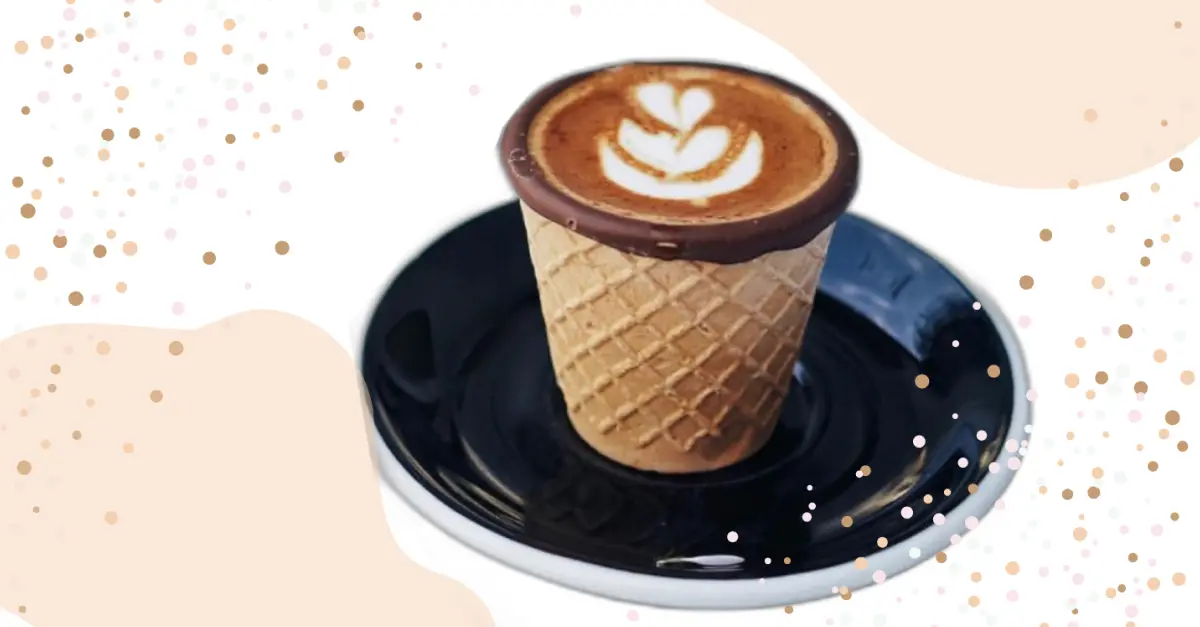
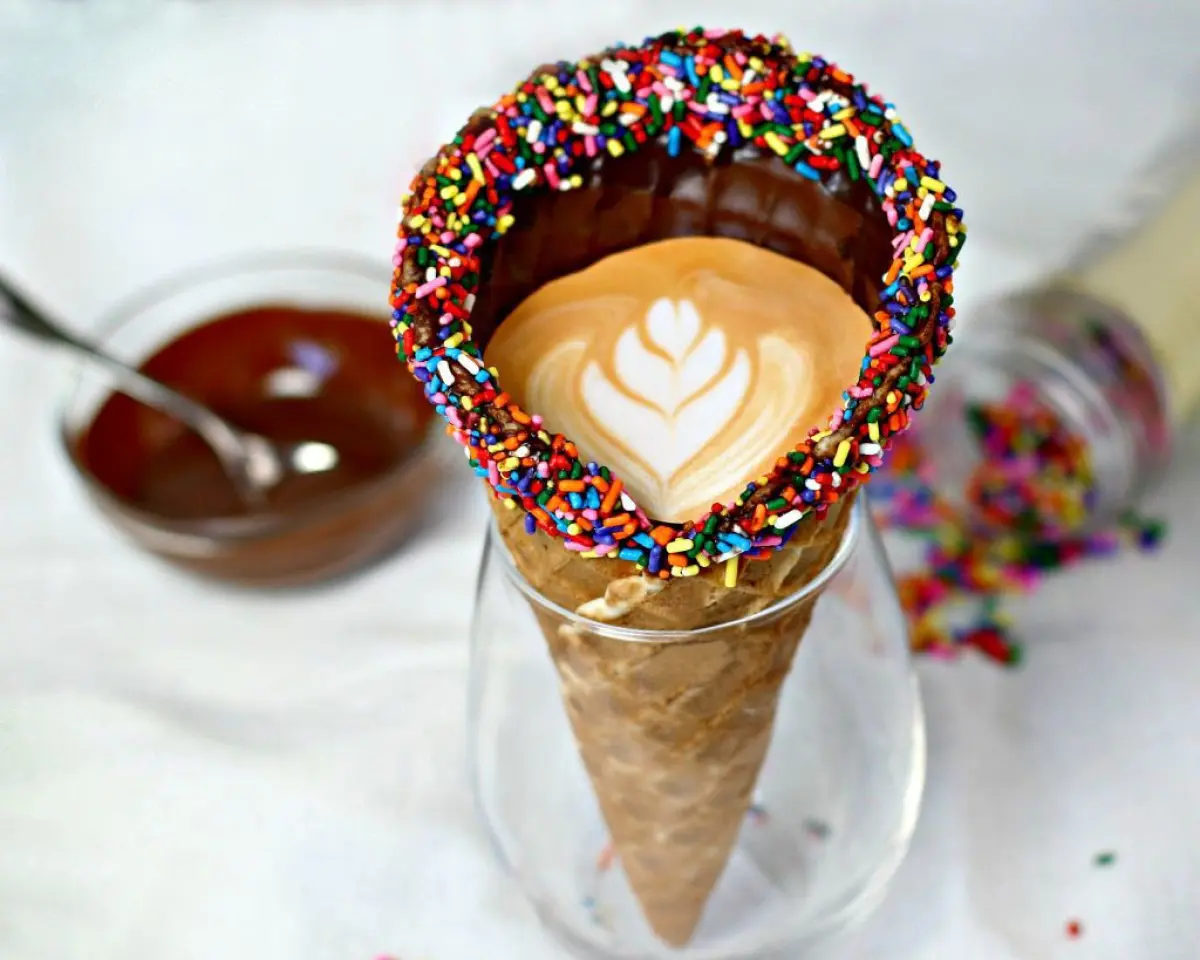
Edible coffee cups are functional drinking vessels made from food-grade ingredients like oats, wheat bran, and natural sweeteners. They hold hot beverages up to 85°C (185°F) without leaking or breaking down for 40 minutes to 8+ hours, depending on the brand.
Key characteristics:
- Made from oats, wheat bran, sugar, coconut oil
- 100% vegan and biodegradable
- Don't alter beverage taste
- High in fiber and vitamin B
- Zero preservatives or artificial flavors
- Dissolve naturally within weeks if composted
Unlike disposable cups that sit in landfills for decades, you simply eat these or let them naturally decompose. The coconut oil or chocolate coating creates a moisture barrier that prevents leaking while keeping them completely edible.
How Edible Coffee Cups Are Made
Manufacturers combine grains and natural binding agents to create sturdy, leak-proof vessels. The balance between structural integrity and edibility requires careful engineering.
Common ingredients:
- Wheat, rye, and oat bran blend (provides structure)
- Coconut oil (creates waterproof barrier)
- Natural sugar (binding agent and flavor)
- Salt (flavor enhancement)
- Natural vanilla or flavorings
Manufacturing process:
- Mixing - Dry ingredients (grains, sugar, salt) combine first
- Wet integration - Coconut oil and water added to create dough
- Molding - Mixture pressed into cup-shaped molds
- Baking - Controlled temperature creates structure without burning
- Cooling - Gradual cooling prevents cracking
- Packaging - Moisture-resistant packaging maintains freshness
The coconut oil coating is critical—it creates the waterproof barrier that prevents leaking while maintaining complete edibility. Some brands use chocolate coating instead, which serves the same purpose while adding flavor.
DIY Edible Coffee Cups at Home
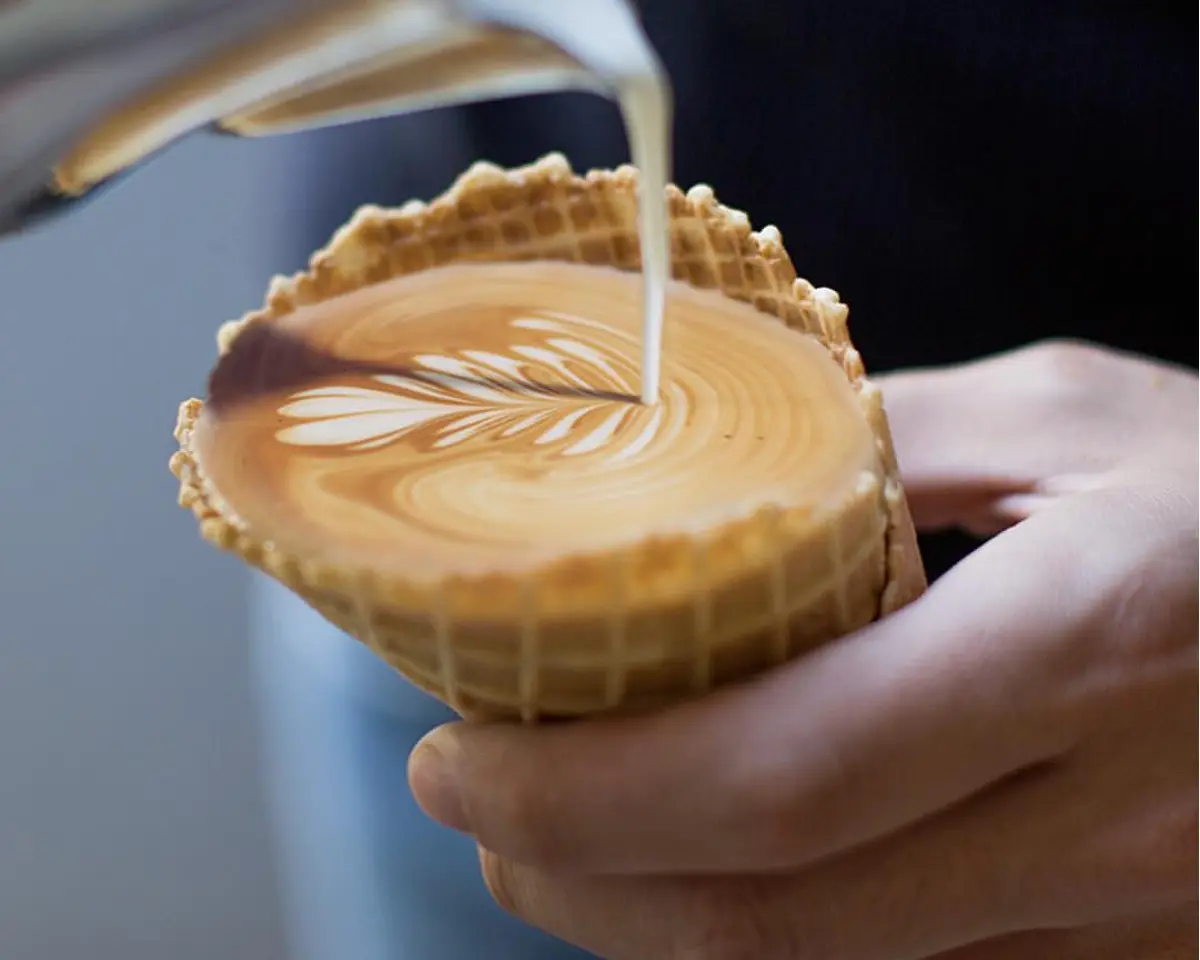
Make your own using a waffle bowl maker like the Presto Belgian Waffle Bowl Maker. Homemade versions work best for immediate use rather than storage.
Basic waffle cup recipe:
- 2 cups all-purpose flour
- 2 tablespoons sugar
- 1 tablespoon baking powder
- 1/2 teaspoon salt
- 2 eggs
- 1 3/4 cups milk
- 1/2 cup melted butter
- 1 teaspoon vanilla extract
For hot coffee: Use standard waffle batter with slightly thicker consistency. Make the waffles, form into bowls while warm, and let them cool completely before filling.
For iced coffee:
- Make thinner waffle bowls for crispier texture
- Coat inside generously with melted dark chocolate
- Freeze until chocolate solidifies (about 30 minutes)
- Fill with iced latte, cold brew, or frappé
The chocolate creates an effective waterproof barrier preventing seepage, making homemade versions reliable for cold beverages. For hot drinks, use them immediately as the structure won't match commercially produced cups.
Why Choose Edible Cups?
Zero waste impact
No landfill contribution. Eat them or let them decompose naturally within weeks. Compare this to plastic-lined disposable cups that take 20+ years to break down and often contaminate recycling streams.
Long-lasting durability
Quality cups hold hot beverages for 40+ minutes to 8+ hours without leaking. The coconut oil or chocolate coating creates an effective moisture barrier that prevents seepage while maintaining the cup's edibility.
Nutritious benefits
Made from whole grains, they provide fiber, B vitamins, and minerals. Most contain 50-120 calories—roughly equivalent to a slice of bread. You're getting a snack with your coffee rather than generating waste.
Unique experience
Add fun and novelty to your coffee routine. They're conversation starters at parties, memorable for guests, and create Instagram-worthy moments. Coffee shops use them to differentiate their brand and create buzz.
Branding opportunity
Coffee shops can customize with logos, flavors, and colors for memorable customer experiences. Some brands offer custom printing services, turning your edible cups into marketing tools that customers actually enjoy.
Drawbacks to Consider
Storage requirements
Must be stored in cool, dry conditions away from moisture and heat. The porous grain structure absorbs humidity, causing staleness and softening. Unopened packages last 6-12 months, but opened packages need consumption within weeks.
Fragility concerns
More delicate than traditional cups. They can crack during shipping or rough handling, requiring careful packaging and gentle treatment. Not ideal for tossing in a bag or backpack.
Shorter shelf life
Last 6-12 months when properly stored, unlike the indefinite shelf life of plastic or paper cups. This makes bulk buying less practical and requires more frequent restocking.
Limited portability
Fragile nature makes them less suitable for on-the-go coffee compared to reusable containers or traditional disposables. They work best for stationary consumption—cafés, homes, offices, events.
Heat limitations
Handle coffee up to 85°C (185°F), but extremely hot beverages may soften the structure faster, potentially reducing holding time. Let your coffee cool slightly to drinking temperature for best results.
Price premium
Cost more than disposable cups due to specialized ingredients and manufacturing. Expect to pay $3-10 per cup depending on the brand and quality, compared to pennies for paper cups.
Other Sustainable Coffee Cup Options
If edible cups aren't practical for your situation, consider these sustainable alternatives:
Reusable options:
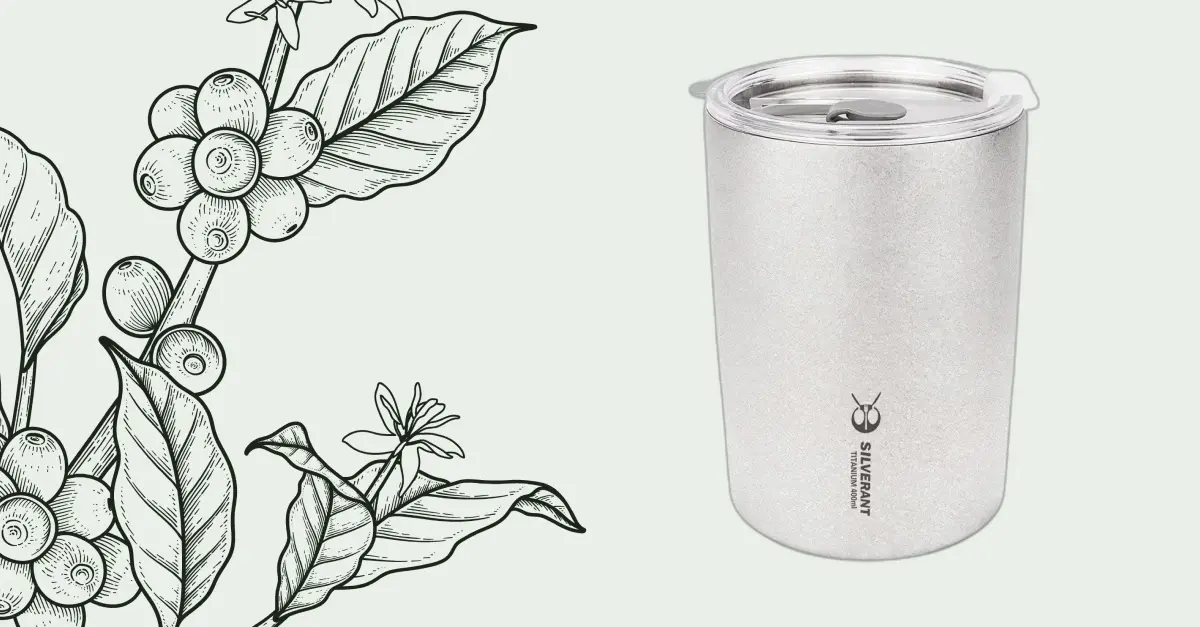
- Stainless steel travel mugs - Durable, excellent temperature retention, lifetime use
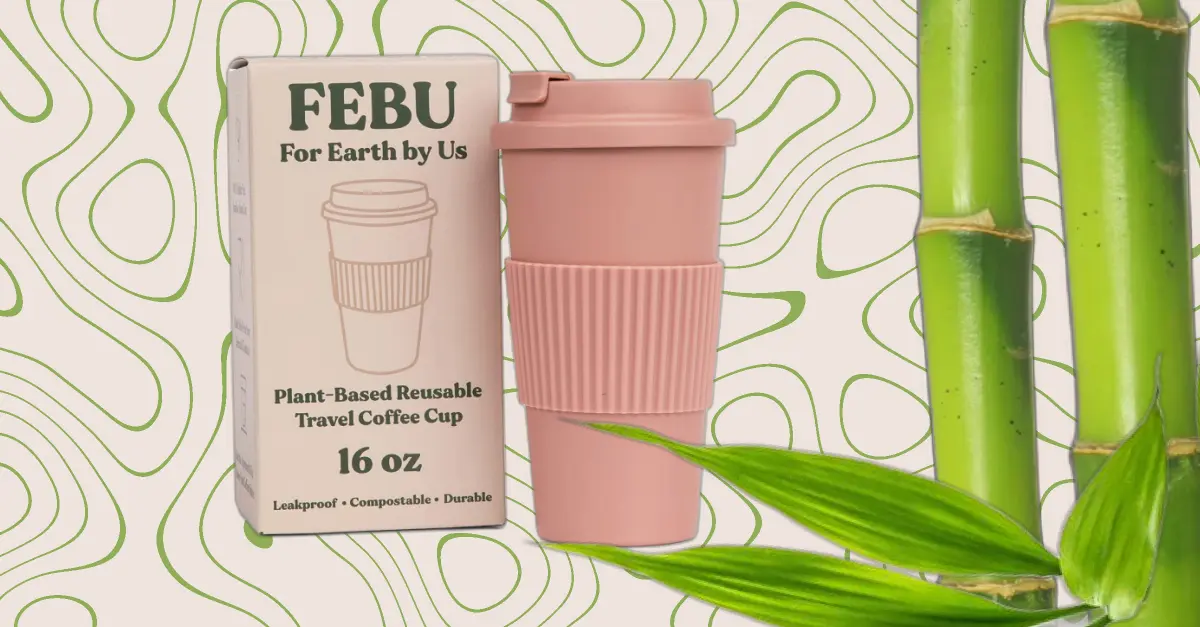
- Bamboo coffee cups - Biodegradable, lightweight, renewable material
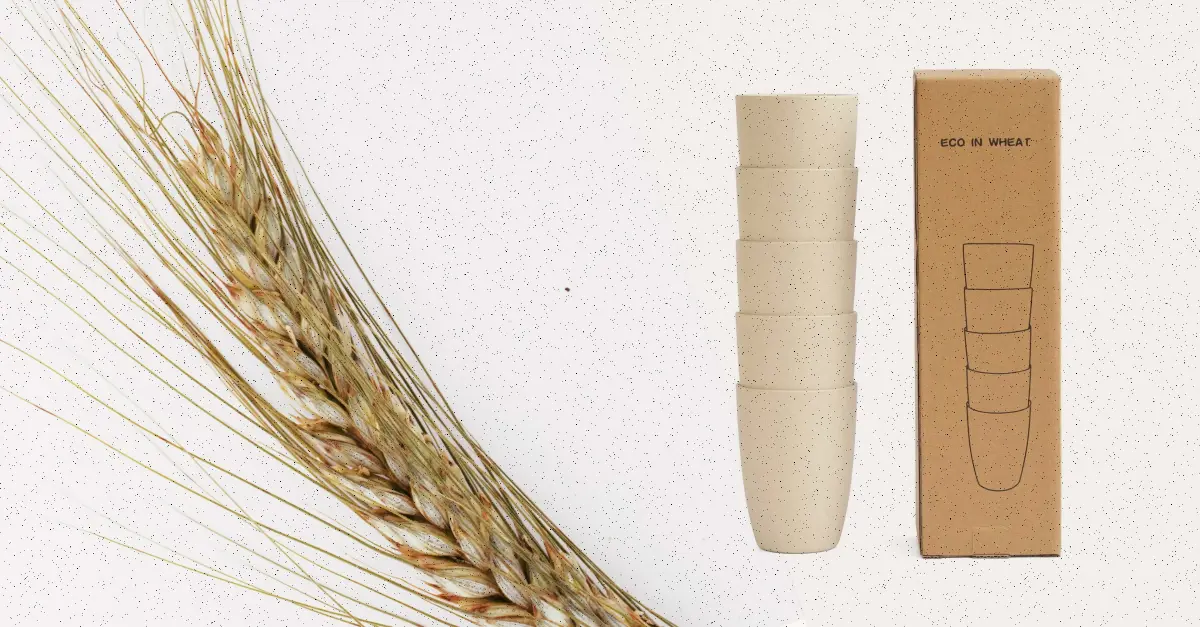
- Wheat straw cups - Made from agricultural waste, compostable, eco-friendly
Single-use alternatives:
- Compostable coffee cups - Break down in commercial composting facilities within 90-180 days
- PLA-lined cups - Made from plant-based materials (corn starch) instead of petroleum plastics
Simplest solution:
Bring your own reusable cup. Many cafés offer $0.25-$0.50 discounts for customers using personal containers. You'll eliminate waste entirely while saving money over time. A $20 travel mug pays for itself after 40-80 café visits.
Frequently Asked Questions
▶ How long do edible coffee cups hold hot beverages?
▶ Do edible coffee cups change the taste of coffee?
▶ Can you use edible coffee cups for hot drinks?
▶ Are edible coffee cups vegan?
▶ Where can I buy edible coffee cups?
▶ Can you make edible coffee cups at home?
Conclusion
Edible coffee cups offer an innovative, zero-waste solution to the global coffee cup waste crisis that sends 250-500 billion cups to landfills annually. While storage requirements and fragility prevent them from replacing all disposable cups, they provide a unique option for coffee shops, events, and home use in 2026.
The technology continues evolving—brands are improving heat resistance, shelf life, and durability with each iteration. Cupffee now holds drinks for 40 minutes, ASTOR offers premium Belgian chocolate options, and Waffetto delivers gift-ready packaging. As demand for sustainable options grows, edible cups are becoming more accessible in cafés and retail stores worldwide.
Whether you choose a Belgian chocolate cup for special occasions, a chocolate-lined waffle cone for daily use, or experiment with DIY versions at home, edible cups transform your coffee routine into a completely waste-free experience with a tasty treat at the end.
Ready to reduce coffee cup waste? Try one of the five products above or experiment with homemade edible cups using a waffle bowl maker. Every small change contributes to a more sustainable future, one delicious cup at a time.