Anyone who loves their morning coffee won't be surprised to learn it's one of the most enjoyed non-alcoholic beverages worldwide. But the statistics behind global coffee consumption reveal some fascinating insights about how we drink, brew, and buy our daily cup.
Coffee consumption reached 167 million 60kg bags globally from 2020-2021, with Americans drinking an estimated 146 billion cups annually. The US remains the world's largest coffee importer despite consuming less per capita than many European nations, with 63% of Americans starting their day with coffee. Brazil produces 40% of the world's coffee supply, while the industry generates over $80 billion in yearly US revenue alone.
Quick Coffee Facts
- 167 million bags consumed globally (2020-2021)
- 146 billion cups drunk annually in the US
- 63% of Americans drink coffee daily
- $80+ billion in yearly US coffee revenue
- Brazil produces 40% of the world's coffee
- 84% of regular drinkers brew at home
- 41% prefer drip coffee brewing methods
1. Brazil: World's Largest Coffee Producer
Brazil has held the title of the world's largest coffee producer for decades. With its tropical climate, rich soil, and vast agricultural land, the country creates ideal conditions for coffee cultivation.
The South American giant produces an estimated 40% of the world's coffee supply. At least 70% of this production consists of Arabica beans, the variety preferred by specialty coffee drinkers worldwide.
2. The US: Largest Coffee Importer
While Americans consume significant amounts of coffee, the US can only grow beans in Hawaii and California. This geographic limitation makes America the world's largest coffee importer.
From a per capita perspective, the US ranks 26th globally in coffee consumption, while the UK trails far behind at 45th. Despite not leading in per-capita consumption, the sheer size of the American market drives massive import volumes.
3. Coffee vs. Water: America's Favorite Beverages
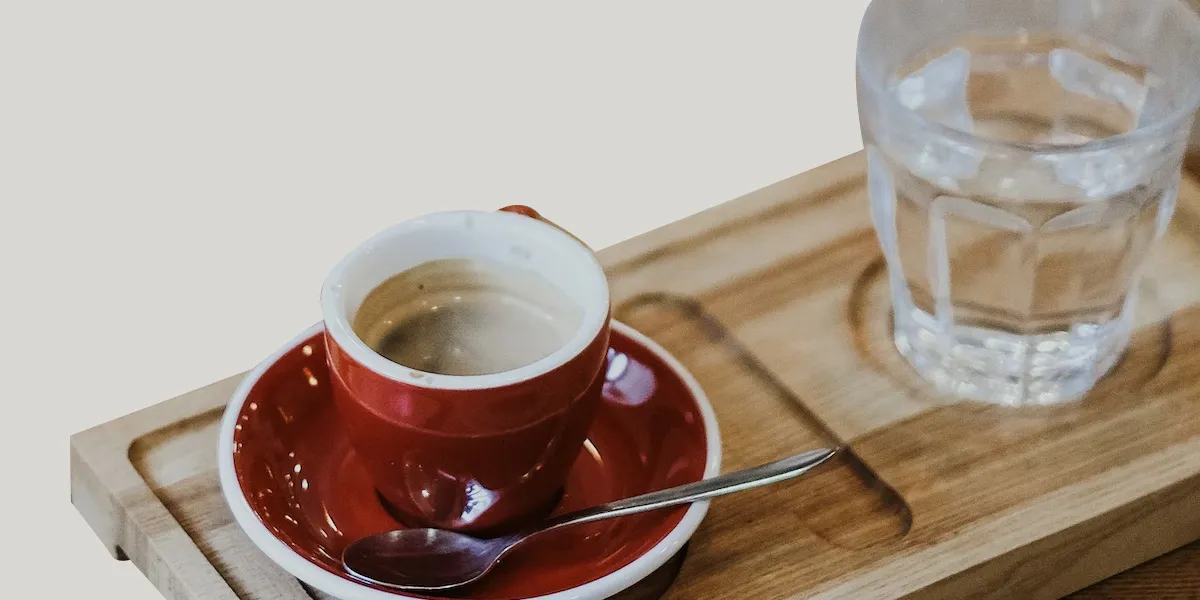
Water remains the most consumed beverage in the US, but coffee claims a solid second place. An estimated 63% of Americans start their day with freshly brewed coffee.
The drink's popularity stems largely from its caffeine content, which helps relieve tiredness and boost alertness. This functional benefit, combined with its rich flavor, keeps coffee at the top of America's beverage preferences.
4. Record Consumption from 2020-2021
Global coffee consumption reached impressive heights during the pandemic years. From 2020 to 2021, an estimated 167 million bags of coffee (each weighing 60kg) were consumed worldwide.
This represents a 1.9% increase over the 164.13 million bags consumed in 2019-2020. Americans alone drink approximately 146 billion cups of coffee yearly, translating to about nine pounds per capita annually.
Around 150 million Americans drink coffee regularly, with many enjoying up to four cups daily while staying within FDA caffeine guidelines.
5. An $80+ Billion Industry
Coffee doesn't just wake you up—it powers the US economy. The industry generates yearly revenues exceeding $80 billion, with the US claiming the world's largest coffee market.
The market shows no signs of slowing down. Industry analysts project continued growth of approximately 5% annually, potentially reaching $550 billion globally by 2025.
6. At Least One Cup Daily at Home

Of Americans who drink coffee regularly, an estimated 84% enjoy at least one cup at home. This home-brewing trend has accelerated in recent years.
More coffee lovers are investing in quality machines for their kitchens. Daily use of single-serve brewers in the US jumped from 19% to 26% in recent years, reflecting this shift toward home consumption.
7. The Home Brewing Revolution
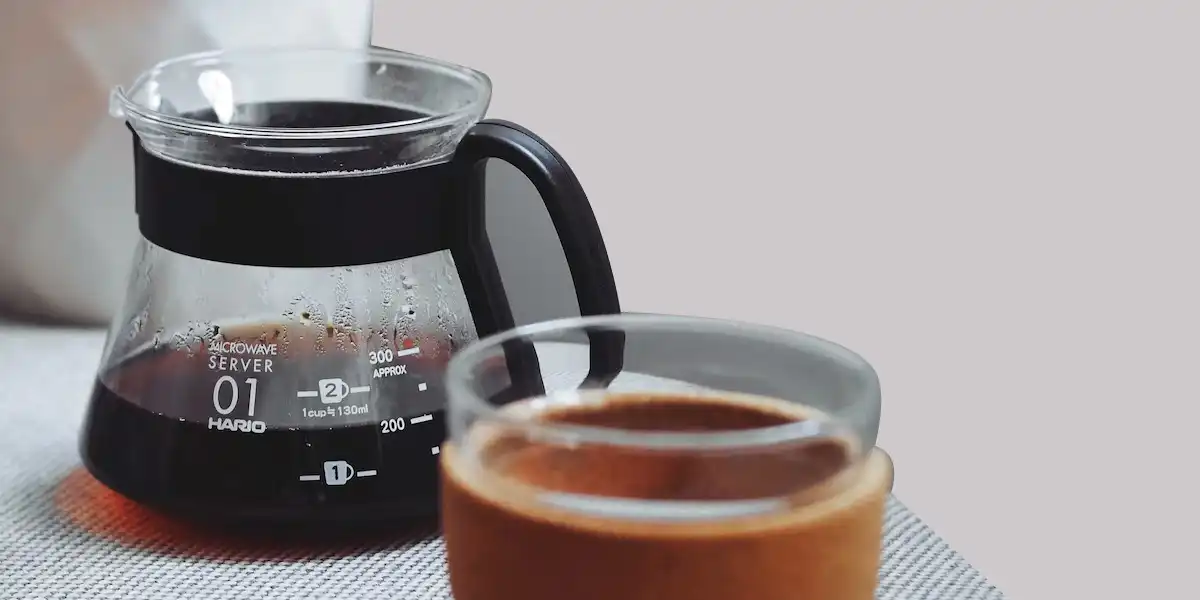
The pandemic dramatically reshaped coffee drinking habits. Lockdowns and coffee shop closures pushed consumers to explore home brewing options.
Many discovered that brewing at home, while more complex than ordering out, offered significant cost savings. This realization, combined with the convenience of home brewing, has created lasting changes in consumption patterns.
8. Preferred Home Brewing Methods
When Americans brew at home, they favor convenience without sacrificing quality. In 2020, approximately 41% of coffee drinkers preferred drip coffee brewing methods.
Single-serve pods also rank highly among preferred methods. Speed and consistency drive these preferences—coffee drinkers want great taste without lengthy preparation. Notably, only 5% of surveyed drinkers said they would choose instant coffee.
9. Gourmet Coffee Demand Declines
As home brewing skills improve, demand for coffee shop specialty drinks has declined. Cappuccinos, lattes, and cold brews—once considered premium offerings—have lost some appeal.
Today, only 36% of coffee drinkers say they're likely to purchase gourmet coffee beverages. Instead, consumers increasingly seek traditional brews made with premium beans, which they can now prepare at home.
10. Coffee Consumption Across Age Groups
Coffee drinking patterns vary significantly by age. Americans aged 60 and older represent the most devoted demographic, with 72% drinking coffee daily.
In contrast, only 47% of those aged 18-24 drink coffee regularly. This makes younger adults the smallest coffee-drinking demographic in the US, though many develop the habit as they age and enter the workforce.
11. Millennials Keep Coffee Shops Alive

Unlike other generations, millennials prefer drinking coffee at coffee shops rather than home. While overall gourmet coffee demand has declined, the 25-40 age group keeps specialty drinks relevant.
Approximately 36% of millennials continue ordering lattes, cappuccinos, and other specialty beverages. Their willingness to pay premium prices for coffee shop experiences helps sustain the retail coffee industry.
Frequently Asked Questions
Which country drinks the most coffee per capita?
Finland leads global coffee consumption per capita, with the average Finn drinking approximately 12kg of coffee annually. Other Nordic countries, including Norway, Iceland, and Denmark, also rank among the top consumers.
How much coffee does the average American drink per year?
The average American consumes about nine pounds of coffee per year, which translates to roughly 400-500 cups depending on brewing strength and serving size.
Why is the US the largest coffee importer?
The US can only grow coffee in Hawaii and California due to climate requirements. Despite being a massive consumer market, domestic production meets less than 1% of demand, making the country dependent on imports.
Is coffee consumption increasing or decreasing?
Global coffee consumption continues to increase, growing approximately 1.9% annually. The shift from coffee shops to home brewing hasn't reduced overall consumption—it has simply changed where and how people drink their coffee.
What's the most popular way to brew coffee at home?
Drip coffee makers remain the most popular home brewing method, preferred by approximately 41% of American coffee drinkers. Single-serve pod machines have also gained significant market share, jumping from 19% to 26% usage in recent years.
The Future of Coffee Consumption
These statistics reveal a coffee industry in transition. While overall consumption continues growing, the pandemic accelerated a shift toward home brewing that shows no signs of reversing.
Americans increasingly value quality beans and convenient brewing methods over expensive coffee shop visits. This trend, combined with steady demographic shifts and evolving preferences, will continue shaping the global coffee market for years to come.
The coffee industry's $80+ billion annual revenue proves that our collective love for this beverage remains strong—whether enjoyed at home, in offices, or at the occasional coffee shop visit.