Looking for the best milk alternative for your coffee? The top choice for most coffee lovers is oat milk - it froths beautifully, adds natural sweetness, and closely mimics dairy milk's creamy texture. For those seeking more protein, plant-based creamers or soy milk offer 7-8g per serving, while coconut and almond milk work best for those watching calories.
We've researched and compared the nutritional profiles of the most popular dairy-free options to help you find the perfect match for your morning brew.
Quick Comparison: Top 6 Milk Alternatives
| Rank | Product | Best For | Calories | Protein | Price |
|---|---|---|---|---|---|
| 1 | SOWN Organic Oat Creamer | Rich, creamy coffee | 30-50 | 1-2g | $18 |
| 2 | DelighTeas Herbal Coffee Alternative | Caffeine-free option | 40-60 | 2g | $15 |
| 3 | Z Natural Foods Coconut Milk Powder | Keto & low-carb diets | 50-70 | 1g | $18 |
| 4 | Anthony's Coconut Milk Powder | Versatile dairy substitute | 50-70 | 1g | $17 |
| 5 | Four Sigmatic Vanilla Creamer | Focus & cognitive support | 40-60 | 1-2g | $9 |
| 6 | Califia Farms Better Half | Low-calorie creaminess | 15 | 0g | $13 |
What Makes a Healthy Milk Alternative?
When choosing an alternative milk for your coffee, look for these key nutritional factors:
Protein Content: Aim for 7-8g per serving for a satisfying, nutritious option that keeps you full longer.
Ingredient List: Fewer ingredients usually means a cleaner, more natural product. Avoid artificial flavors, excessive gums, and preservatives.
Sugar Content: Unsweetened varieties with 0g added sugar let you control sweetness and avoid unnecessary calories.
Essential Nutrients: Look for fortification with vitamin D (for calcium absorption), calcium (bone health), and vitamin B12 (energy and brain function).
Healthy Fats: Some alternatives like coconut and nut milks provide beneficial fats, but watch saturated fat content if that's a concern.
1. SOWN Organic Oat Creamer Sweet & Creamy

SOWN's organic oat creamer delivers the rich, sweet creaminess coffee lovers want without dairy. Made from North American organic oats, this plant-based creamer is completely vegan, gluten-free, and non-GMO.
The shelf-stable packaging makes it incredibly convenient for travel, office, or home use. It blends smoothly into both hot and iced coffee without separating or curdling.
Best for: Coffee drinkers seeking a sweet, creamy dairy alternative that travels well.
2. DelighTeas Organic Herbal Coffee Alternative

This unique blend combines roasted chicory, dandelion root, and carob for a caffeine-free coffee experience. It's 100% organic and supports digestive health with gut-friendly ingredients.
The versatile preparation works in French presses, drip coffee makers, or espresso machines. You get rich coffee flavor without the caffeine jitters or afternoon crash.
Best for: Those reducing caffeine intake or seeking digestive health benefits alongside their morning ritual.
3. Z Natural Foods Organic Coconut Milk Powder
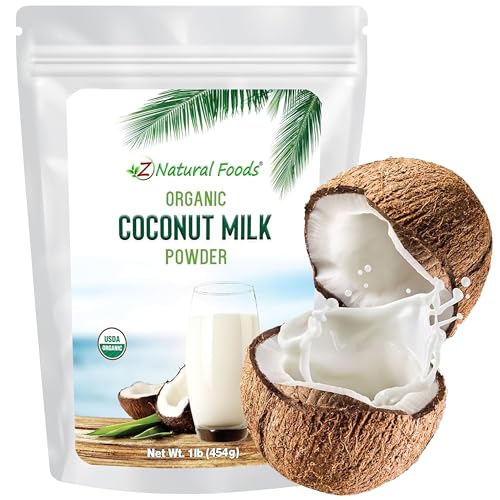
This unsweetened coconut milk powder packs MCTs (medium-chain triglycerides) for sustained energy and mental clarity. It's perfect for keto dieters and anyone following a low-carb, high-fat lifestyle.
Mix it with water to create creamy coconut milk or cream in seconds. The powder form offers incredible shelf stability and portion control compared to cartons.
Best for: Keto dieters, vegans, and those with lactose intolerance seeking a high-fat, nutrient-dense option.
4. Anthony's Organic Coconut Milk Powder

Anthony's delivers a versatile, gluten-free coconut milk powder that works in far more than just coffee. Use it in smoothies, baked goods, sauces, and soups for creamy texture without dairy.
Each batch is tested and verified gluten-free, making it safe for those with celiac disease or gluten sensitivity. The organic certification ensures clean ingredients.
Best for: Home cooks and bakers wanting a multi-purpose dairy substitute beyond coffee.
5. Four Sigmatic Focus Vanilla Coffee Creamer

This innovative creamer combines real Madagascar vanilla and coconut cream with Lion's Mane mushrooms for cognitive benefits. You get delicious flavor plus vitamin B12 and functional mushrooms for improved focus.
The 100% USDA organic ingredients make it a guilt-free indulgence. The mushroom content is subtle - you taste the vanilla, not the mushrooms.
Best for: Professionals and students seeking mental clarity alongside their morning coffee ritual.
6. Califia Farms Unsweetened Better Half

At only 15 calories per serving with 0g sugar, this almond milk and coconut cream blend offers incredible creaminess without the calorie load. It substitutes seamlessly for traditional half and half in beverages, baking, and cooking.
The non-GMO, vegan, and gluten-free formula works for most dietary restrictions. The taste and texture closely mimic dairy half and half.
Best for: Calorie-conscious coffee drinkers who refuse to sacrifice creamy texture.
The Growing Demand for Dairy Alternatives
Over the past two decades, alternative milks have evolved from niche health food products to mainstream staples. This shift reflects changing consumer priorities around health, sustainability, and dietary preferences.
Many people are adopting vegetarian or vegan lifestyles, driving demand for plant-based options. Others discover they digest dairy alternatives better than traditional milk. And environmental concerns about dairy farming's impact continue to influence purchasing decisions.
The variety available today means there's truly an alternative milk for every taste preference and nutritional need.
Understanding Fortified Milk
Most alternative milks are naturally lower in calcium and vitamins than dairy milk. Fortification adds these essential nutrients during processing to create nutritionally comparable products.
In the United States, manufacturers typically fortify plant-based milks with vitamins D and A. Some brands add vitamin B12 (especially important for vegans), calcium, and other minerals.
This fortification makes alternative milks viable complete substitutes for dairy milk rather than nutritionally inferior options. Always check labels to confirm fortification if these nutrients are important to your diet.
Frequently Asked Questions
▶ Which milk alternative tastes most like dairy milk in coffee?
▶ What's the healthiest milk alternative for coffee?
▶ Do milk alternatives curdle in hot coffee?
▶ Can I froth milk alternatives for lattes?
▶ Which milk alternative has the most protein?
Conclusion
The best milk alternative for your coffee depends on your specific needs - whether that's protein content, calorie count, taste preference, or dietary restrictions. Oat milk remains the most popular choice for its dairy-like performance in coffee, while options like coconut milk powder and functional creamers offer unique benefits for specific lifestyles.
Try a few varieties to find your perfect match. Most coffee shops now stock multiple alternatives, making it easy to experiment before committing to a full carton at home.