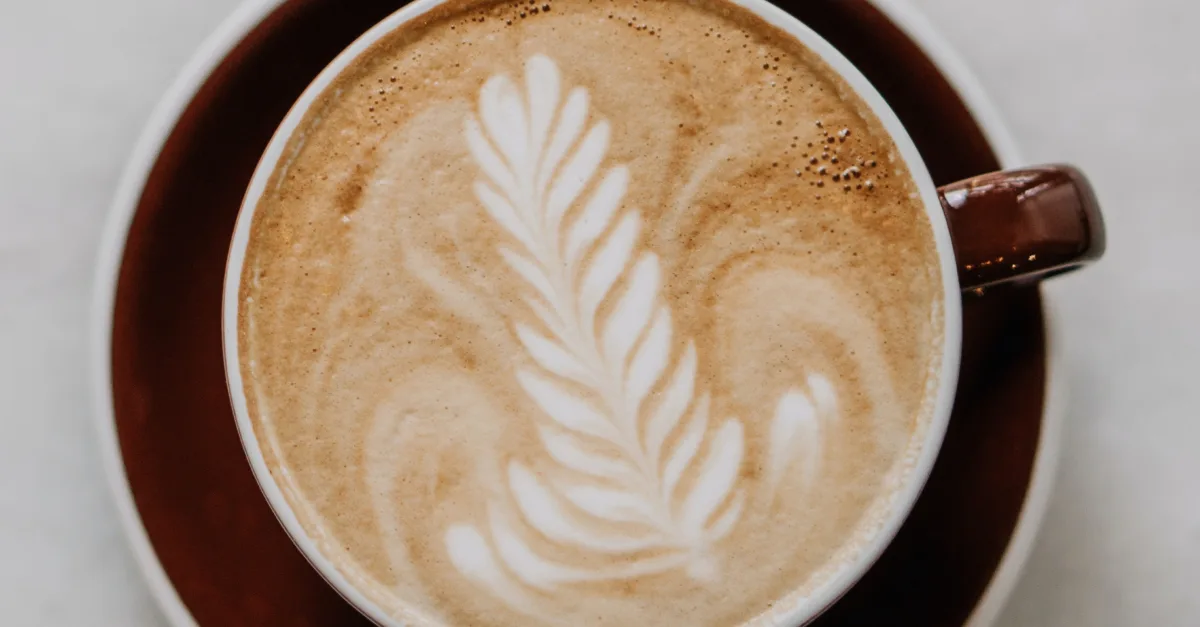
The cappuccino is a delicious drink enjoyed by casual coffee drinkers and serious coffee addicts alike. If you're a fan of this espresso-based beverage, you've probably wondered: how much caffeine does this drink really have?
A standard cappuccino contains 63-120mg of caffeine, depending on the number of espresso shots used. A single-shot cappuccino has about 63mg (one espresso shot), while a double-shot contains around 126mg. The exact amount varies based on the coffee beans, brewing method, and espresso strength—but if you know how many shots are in your cup, you can estimate the caffeine content accurately.
Quick Caffeine Guide
- Single-shot cappuccino (8-12 oz): ~63mg caffeine
- Double-shot cappuccino (12-16 oz): ~126mg caffeine
- Triple-shot cappuccino (20 oz): ~189mg caffeine
- One espresso shot: 63mg average (USDA)
What Is a Cappuccino?
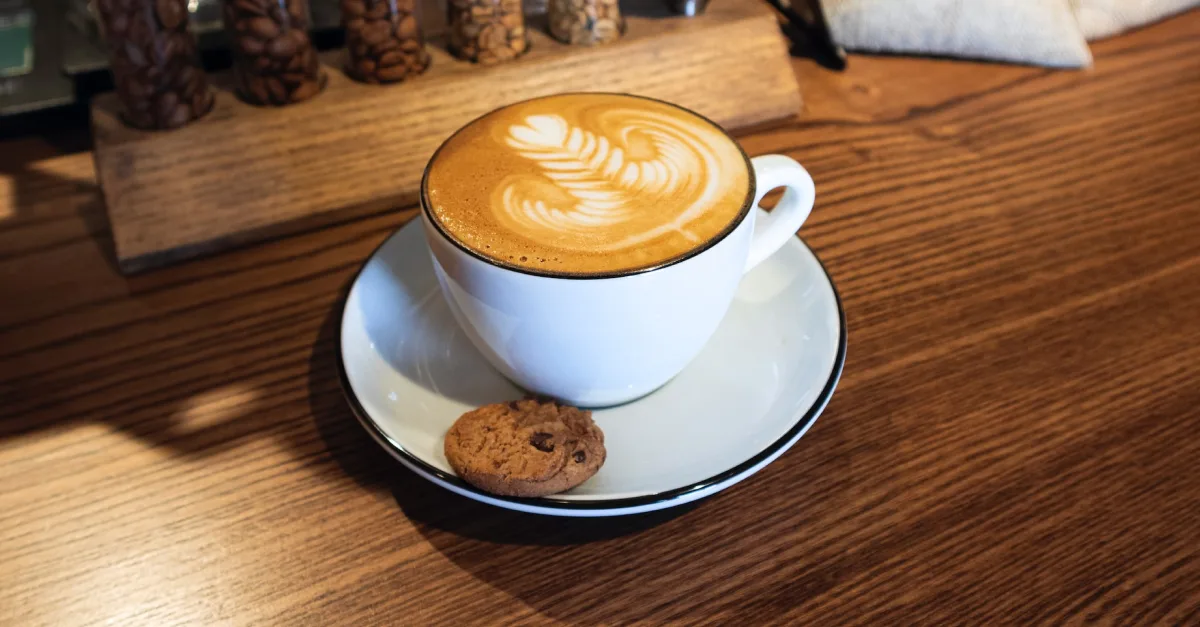
A cappuccino is an Italian coffee drink from the early 1900s. The name comes from the Italian word cappuccio (meaning "hood"), referring to the light brown hoods worn by Capuchin monks—the same color as this coffee drink.
The Classic Cappuccino Ratio
Many baristas follow the "rule of thirds": one-third espresso, one-third steamed milk, and one-third milk foam. This creates the signature creamy texture and balanced flavor.
The Specialty Coffee Association defines a cappuccino as a 5-6 oz beverage made with a single espresso shot, textured milk, and at least 1 cm of foam depth. However, most coffee shops today serve larger sizes with multiple shots.
Why Caffeine Content Varies
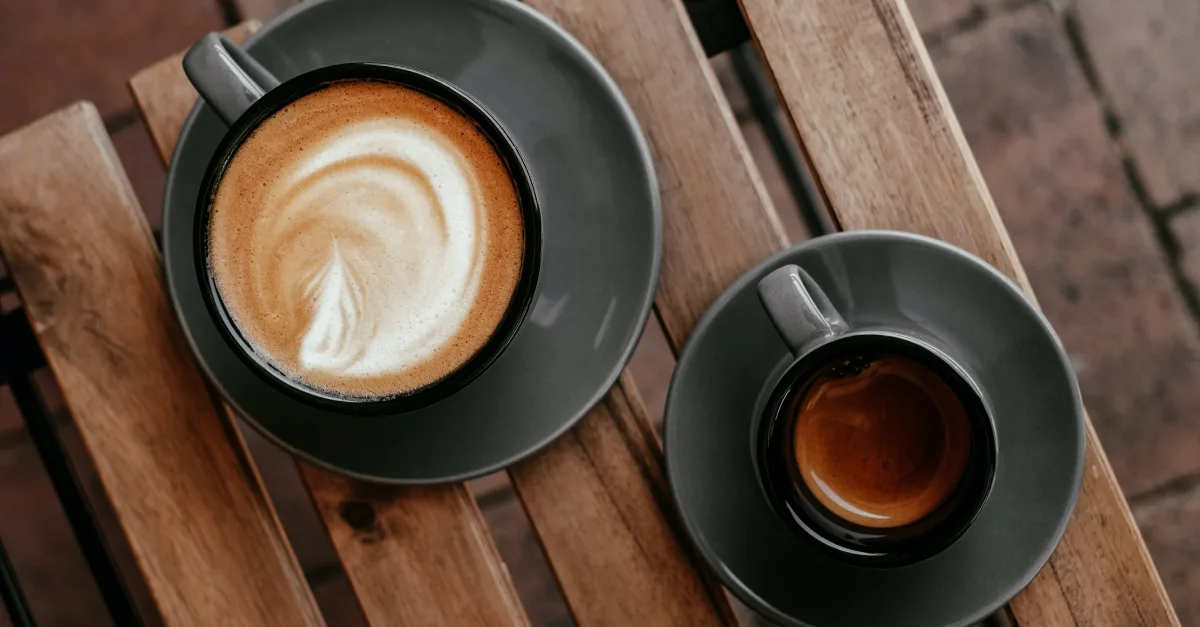
Even two single-shot cappuccinos can have different caffeine levels. Here's why:
Coffee Bean Type
Arabica beans (most common in U.S. coffee shops) are smooth and flavorful but lower in caffeine. Robusta beans (traditional Italian espresso) contain up to twice the caffeine and create thicker crema.
Espresso vs. Ristretto
A standard espresso shot is 1-2 ounces. A ristretto is half that size—more concentrated in flavor but often contains slightly less caffeine due to shorter extraction time.
Brewing Method
Espresso machines with 9+ bars of pressure extract more caffeine than stovetop Moka pots. Other factors include water temperature, coffee-to-water ratio, and brew time.
How to Calculate Caffeine in Your Cappuccino
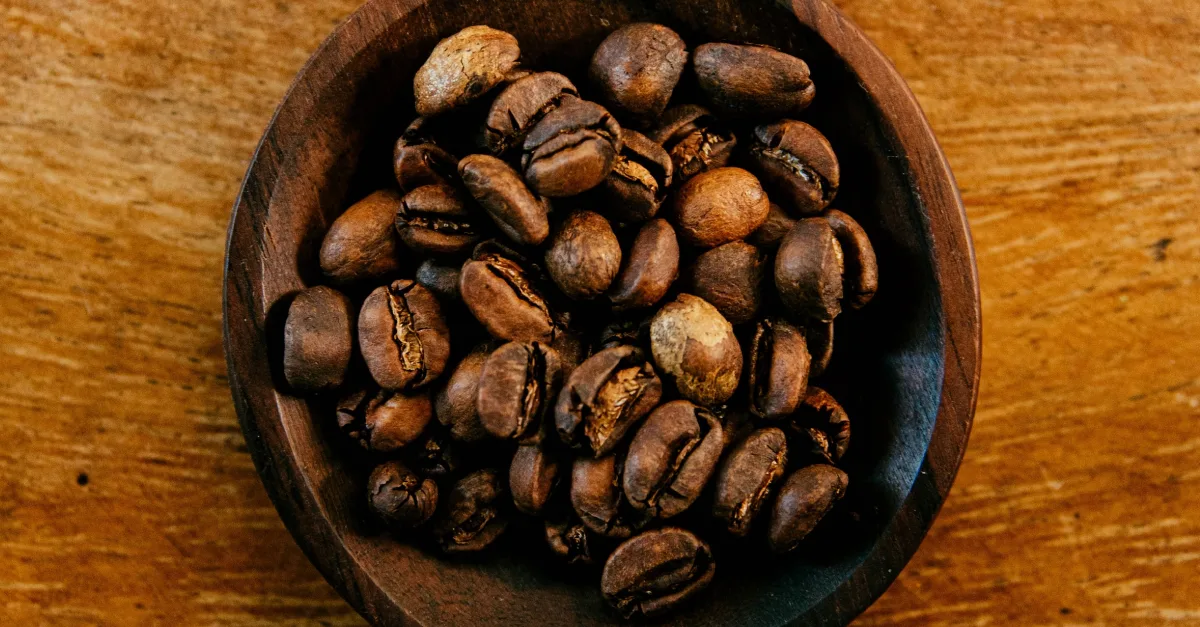
Forget estimating by cup size—cappuccino sizes vary widely, but the espresso shots don't. Count the shots, not the ounces.
According to the USDA, one espresso shot (1-1.75 oz) contains approximately 63mg of caffeine. Use this simple formula:
- 1 shot = 63mg
- 2 shots = 126mg
- 3 shots = 189mg
Ask your barista how many shots are in your drink for the most accurate estimate.
Cappuccino vs. Other Coffee Drinks
Here's how cappuccinos compare to other popular coffee beverages:
| Drink Type | Size | Caffeine Content |
|---|---|---|
| Cappuccino (single shot) | 8-12 oz | 63mg |
| Cappuccino (double shot) | 12-16 oz | 126mg |
| Regular Coffee | 8 oz | 80-100mg |
| Espresso (single shot) | 1-2 oz | 63mg |
| Latte (single shot) | 8-12 oz | 63mg |
Cappuccino vs. Regular Coffee
An 8 oz cup of drip coffee has 80-100mg of caffeine (FDA estimate). A single-shot cappuccino has slightly less at 63mg. But a double-shot cappuccino exceeds regular coffee with 126mg.
Cappuccino vs. Latte
Both use espresso as a base. If both drinks have one shot, they contain the same caffeine (63mg). The difference is milk ratio—lattes have more steamed milk and less foam than cappuccinos.
Popular Coffee Shop Cappuccinos
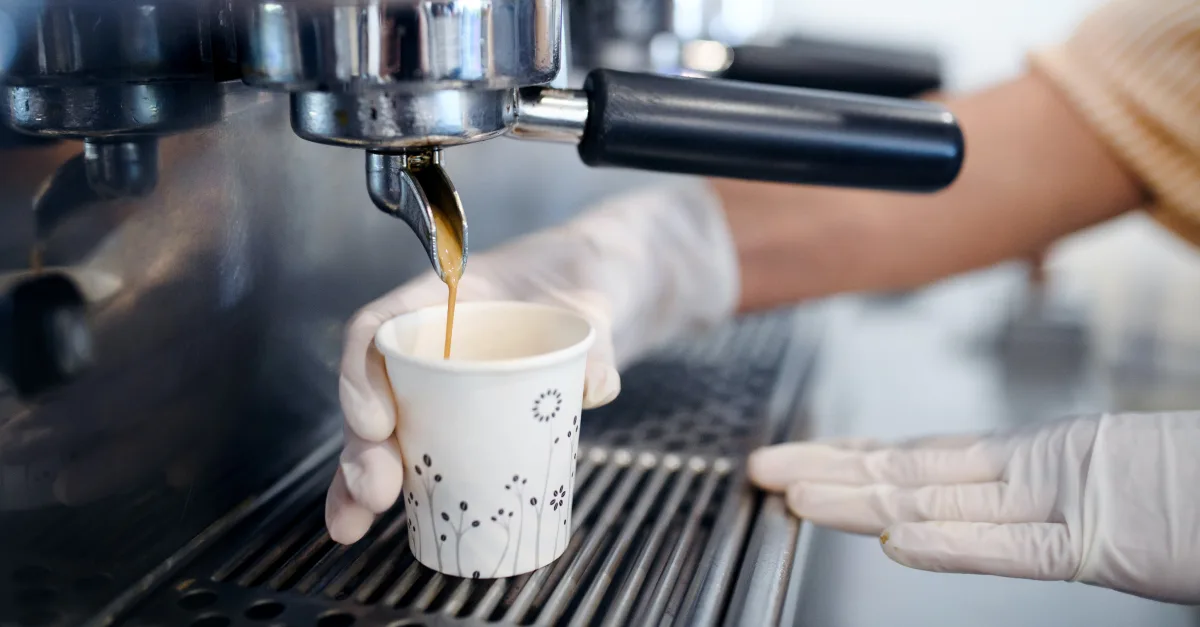
Here's what you can expect at major coffee chains:
Starbucks
- Grande Cappuccino (16 oz): 150mg (2 shots)
- K-Cup Cappuccinos: 40-260mg depending on pod type
Dunkin'
- Small Hot Cappuccino (8 oz): 180mg
- Large Hot Cappuccino: 270mg
- Small Iced Cappuccino: 120mg
- Large Iced Cappuccino: 250mg
Tim Hortons
- Small Cappuccino (10 oz): 75mg
- Large Cappuccino (20 oz): 140mg
- Small Iced Capp: 110mg
- Large Iced Capp: 170mg
McDonald's
- Medium Cappuccino (16 oz): 142mg (comes with chocolate dusting)
Frequently Asked Questions
▶ How much caffeine is too much in a day?
▶ Does a cappuccino have more caffeine than regular coffee?
▶ Can I get a decaf cappuccino?
▶ Why does my cappuccino taste stronger than regular coffee?
▶ Do larger cappuccinos always have more caffeine?
The Bottom Line
Your cappuccino's caffeine content depends entirely on how many espresso shots it contains. Most single-shot cappuccinos have about 63mg of caffeine, while double-shots contain around 126mg.
When ordering, simply ask your barista how many shots are in the drink. Want more kick? Request an extra shot. Need less caffeine? Order decaf espresso instead.
Whether you enjoy your cappuccino at breakfast like Italians traditionally do, or as an afternoon pick-me-up, now you know exactly what kind of energy boost to expect.