
The history of coffee in Mexico dates back more than 200 years, starting in the late 1700s when French ships brought coffee plants to the fertile land of Córdoba, Veracruz. Mexican coffee is recognized for its unique flavor profile, organic farming practices, and high-altitude cultivation. Mexico ranks as the 11th largest coffee producer globally, exporting 4-5 million bags annually, with over 3% dedicated to organic production—making it a world leader in sustainable coffee farming.
Quick Facts About Mexican Coffee
- Production Rank: 11th largest producer globally (4-5 million bags/year)
- Primary Regions: Chiapas (40% of total), Veracruz, Oaxaca
- Bean Type: Predominantly Arabica (smooth, complex flavor)
- Unique Feature: Over 3% of cultivated land is organic
- Main Varieties: Pluma, Arabica, Maragogipe, Criollo, Robusta
- Growing Method: Traditional shade-grown plantations
- Major Export Markets: USA, Europe, Canada, Japan
What Makes Mexican Coffee Unique?
Mexican coffee stands apart from other origins due to several distinctive characteristics that coffee lovers appreciate worldwide.
Leading Organic Coffee Production
Mexico is one of the world's top organic coffee producers, dedicating more than 3% of its total cultivated land to organic methods. This achievement stems from the widespread use of shade-grown coffee plantations, where coffee plants grow under the natural canopy of native trees.
This traditional farming method offers multiple benefits:
- Conserves the natural environment
- Protects biodiversity and local ecosystems
- Reduces the need for chemical fertilizers and pesticides
- Produces cleaner, more flavorful coffee beans
Ideal Growing Conditions
The country's diverse geography creates perfect conditions for exceptional coffee:
- High-altitude cultivation in tropical regions (800-1,700 meters)
- Rich volcanic soil providing essential nutrients
- Favorable climate with distinct wet and dry seasons
- Natural shade from surrounding forests
These factors combine to produce coffee with rich flavors, balanced acidity, and complex profiles that appeal to specialty coffee enthusiasts.
Mexican Coffee Bean Varieties
Mexican coffee farmers have perfected their craft over generations, cultivating several distinct varieties that showcase the country's coffee diversity.
Pluma Coffee
Known internationally for its unique aroma and exceptional flavor, Pluma coffee grows under natural shade with minimal chemical use. This variety is highly sought after in specialty coffee markets for its clean, bright taste.
Arabica
Arabica beans dominate Mexico's coffee production and thrive in highland regions. These beans offer:
- Light, pleasant acidity
- Mild, sweet flavor profile
- Complex aromatic qualities
- Lower caffeine content than Robusta
Maragogipe
Originally from Brazil, Maragogipe is a rare variety known for its unusually large beans. It produces a delicate, floral flavor that makes it a valuable commodity in specialty markets.
Criollo
Perfectly adapted to Mexico's landscape, Criollo coffee thrives in shaded conditions. It produces beans with a balanced, mild flavor that works well in both single-origin and blend applications.
Robusta
Though less common in Mexico, Robusta beans are easier to cultivate and contain higher caffeine levels. They're typically used in blends for a stronger, more intense brew.
Coffee's Economic and Cultural Impact
Coffee cultivation provides livelihoods for thousands of families in rural Mexican communities. Chiapas, Mexico's largest coffee-producing state, accounts for over 40% of the country's total coffee output.
Many farms continue to operate sustainably, honoring traditions passed down through generations. This commitment to traditional methods preserves not only coffee quality but also the cultural heritage tied to Mexican coffee production.
Health Benefits
Mexican coffee, particularly organic varieties, offers several health advantages:
- Rich in antioxidants that reduce inflammation
- Supports cognitive function and mental alertness
- May protect against heart disease and type 2 diabetes
- Contains beneficial compounds when consumed in moderation
Traditional Mexican Coffee Drinks
To fully appreciate Mexican coffee culture, try these traditional beverages that showcase local brewing methods and flavors.
Café de Olla
Café de Olla is Mexico's most beloved traditional coffee drink, brewed in clay pots with aromatic spices.
Key Ingredients:
- Dark-roast Mexican coffee
- Cinnamon sticks (canela)
- Piloncillo (unrefined cane sugar)
- Optional: clove, orange peel, anise
Originally from rural towns, this comforting drink offers sweet, warming flavors. The clay pot (olla) adds earthy notes that complement the spices. It's typically enjoyed with breakfast or as a dessert accompaniment.

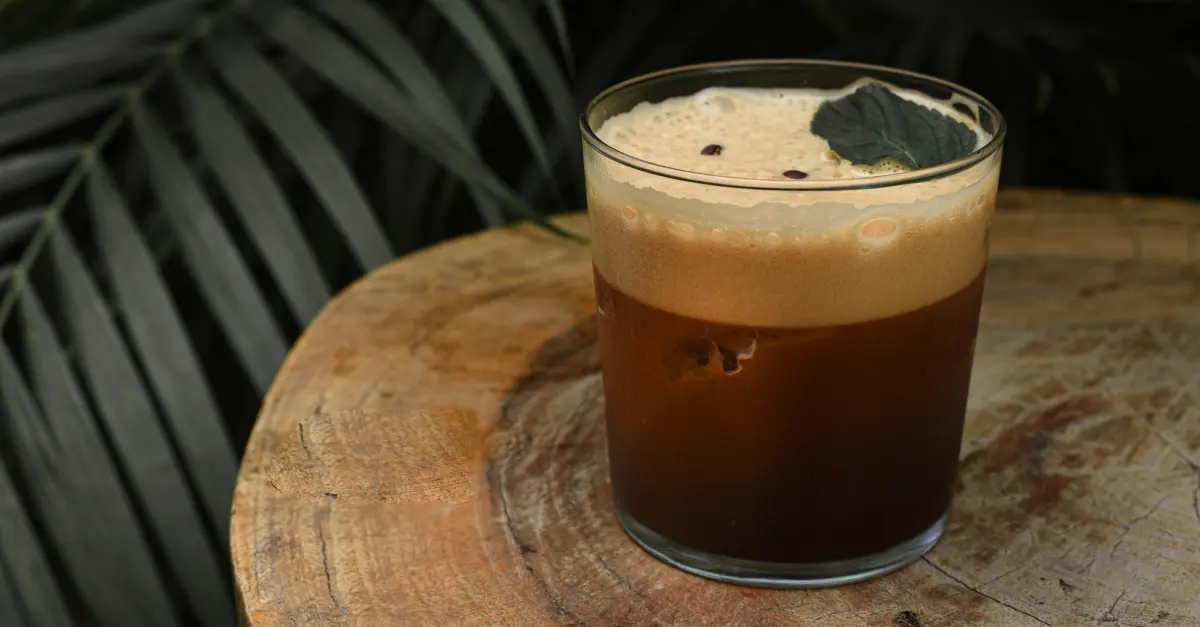
Carajillo
Though Spanish in origin, the Carajillo has become a staple in Mexican cafés. This after-dinner drink combines:
- Double shot of espresso (preferably Mexican beans)
- Licor 43 (Spanish liqueur with 43 ingredients)
- Served hot or over ice
The result is a sweet, aromatic beverage that perfectly balances the boldness of Mexican espresso with vanilla and citrus notes from the liqueur.
Major Coffee-Growing Regions
Mexican coffee production spans 12 states, each contributing unique characteristics to the country's diverse coffee offerings.
Chiapas
The largest producer, responsible for 40%+ of Mexico's total coffee output. Chiapas coffee is known for:
- Medium to full body
- Bright acidity
- Chocolate and nutty notes
- Grown at 900-1,700 meters elevation
Veracruz
The birthplace of Mexican coffee, where French colonists first planted coffee in the late 1700s. Veracruz coffee features:
- Light to medium body
- Delicate acidity
- Nutty, vanilla undertones
Oaxaca
Known for organic and specialty-grade coffees, Oaxaca produces beans with:
- Complex flavor profiles
- Floral and fruity notes
- Smooth, balanced acidity
- Often processed using traditional methods
Other Regions
Significant production also occurs in Puebla, Guerrero, San Luis Potosí, and Nayarit, each contributing distinct regional characteristics to Mexico's coffee portfolio.
The Future of Mexican Coffee
As consumer demand for organic and sustainably-produced coffee grows, Mexico is well-positioned to lead in the specialty coffee market. The country's commitment to traditional farming methods, combined with increasing focus on quality over quantity, ensures Mexican coffee will remain competitive globally.
Key trends shaping the future:
- Increased organic certification among small-scale farmers
- Direct trade relationships connecting farmers with roasters
- Specialty coffee focus on unique regional varieties
- Sustainable practices preserving biodiversity and ecosystems
- Innovation in processing while honoring traditional methods
Whether you're enjoying a rich espresso made from Chiapas beans or savoring a traditional café de olla, Mexican coffee offers a vibrant, flavorful experience rooted in centuries of tradition and expert craftsmanship.
Frequently Asked Questions
▶ What makes Mexican coffee different from other origins?
▶ Is Mexican coffee organic?
▶ What does Mexican coffee taste like?
▶ What is café de olla and how do you make it?
▶ Which Mexican state produces the most coffee?
▶ What type of coffee beans grow in Mexico?
Conclusion
Mexican coffee's 200-year legacy combines tradition, sustainability, and exceptional quality. From the shade-grown plantations of Chiapas to the aromatic spices in café de olla, Mexico offers coffee experiences that reflect its rich cultural heritage and commitment to environmental stewardship.
As the demand for organic, ethically-sourced coffee continues to rise, Mexico's coffee industry stands ready to meet global expectations while preserving the traditional methods that have made its coffee famous worldwide.