Have you ever wondered which coffees dominate the list of the world's most expensive ones?
The three most expensive coffees are Hacienda La Esmeralda (up to $3,000/kg), Black Ivory ($2,000/kg), and Kopi Luwak ($1,300/kg for wild-sourced). Their astronomical prices reflect unique production methods, rare origins, and exceptional flavor profiles that set them apart from ordinary beans.
Quick Comparison
| Coffee | Price per kg | Origin | Unique Process |
|---|---|---|---|
| Hacienda La Esmeralda | Up to $3,000 | Panama | High-altitude Geisha variety |
| Black Ivory | ~$2,000 | Thailand | Elephant-digested beans |
| Kopi Luwak | Up to $1,300 | Indonesia (Bali) | Civet-digested beans |
1. Hacienda La Esmeralda

The crown jewel of expensive coffees, Hacienda La Esmeralda from Panama's Geisha Collection, commands up to $3,000 per kilogram. Discovered in the 1900s on the slopes of Volcán Barú, these beans grow at extreme altitudes where rich volcanic soil and unique climate create exceptional flavor.
What Makes It Special
- Grown at high altitude on volcanic slopes
- Won Panama's coffee competition in 2004
- Set auction records for highest-priced coffee
Flavor Profile: Complex notes of honey, lavender, peach, and vanilla create a taste unlike any other coffee. The extreme altitude and volcanic terroir give these Geisha beans their distinctive aromatics.
The discovery of Geisha's remarkable flavor happened in 2004 when cuppers couldn't get enough of its unique profile. Since then, it's remained the world's most expensive coffee.
2. Black Ivory
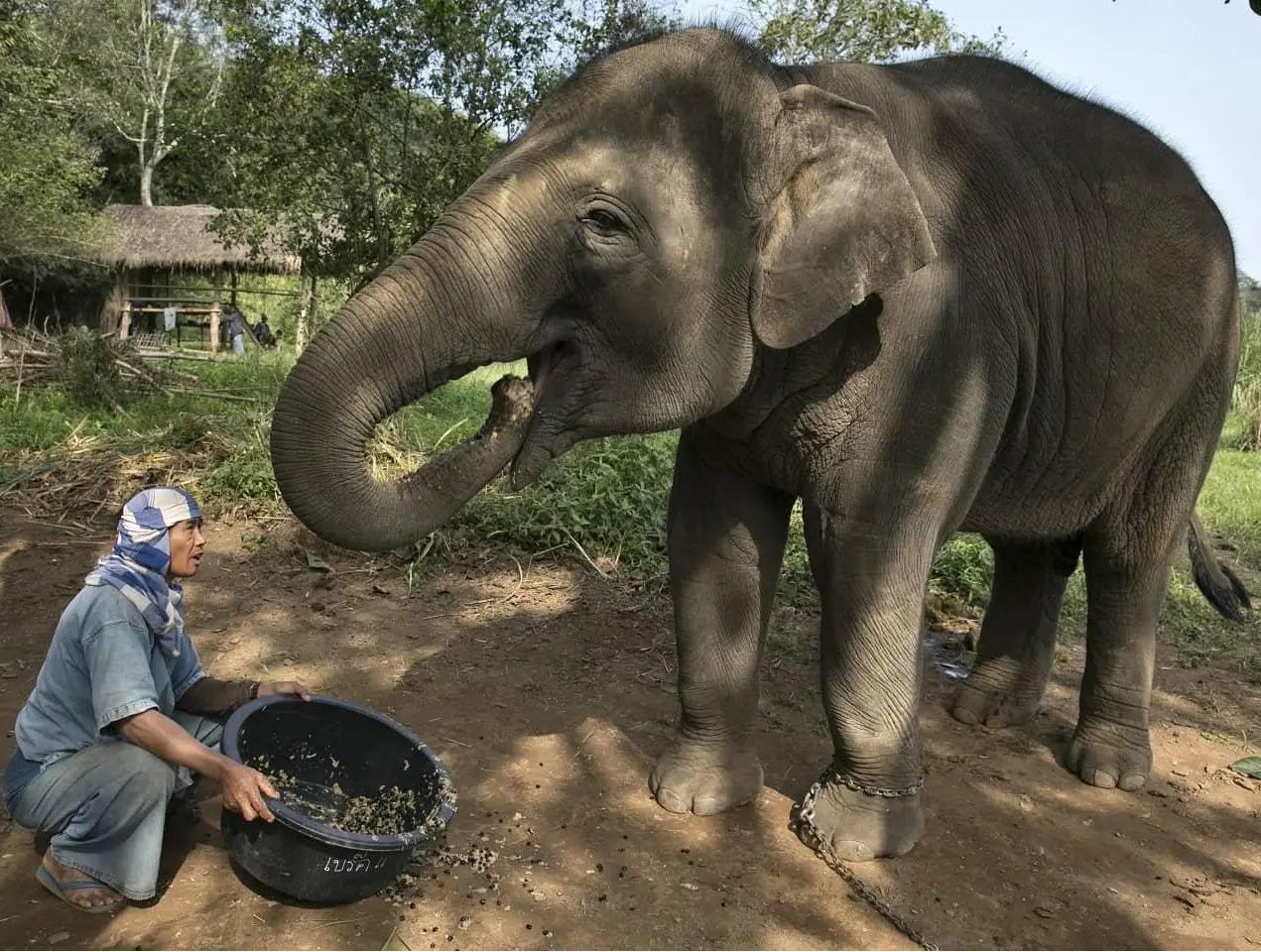
At $2,000 per kilogram (nearly $70 per cup), Black Ivory from Thailand's Golden Triangle uses an unconventional production method. Founded by Canadian entrepreneur Blake Dinkin, this coffee undergoes fermentation in elephant digestive systems rather than traditional processing.
Production Process
- Arabica beans sourced from Thai hill tribes near Myanmar
- Mixed with fruit and fed to elephants
- Takes 15-30 hours for elephant digestion
- Workers collect, wash, and carefully dry the beans
- Machine-sorted for highest quality before roasting
Why Elephants Matter: As herbivores, elephants break down cellulose during digestion, which removes the coffee's intense bitterness. This creates a smoother, more refined flavor profile.
Flavor Profile: Distinct cocoa and spicy notes with hints of cherry make this coffee remarkably smooth and unique.
3. Kopi Luwak
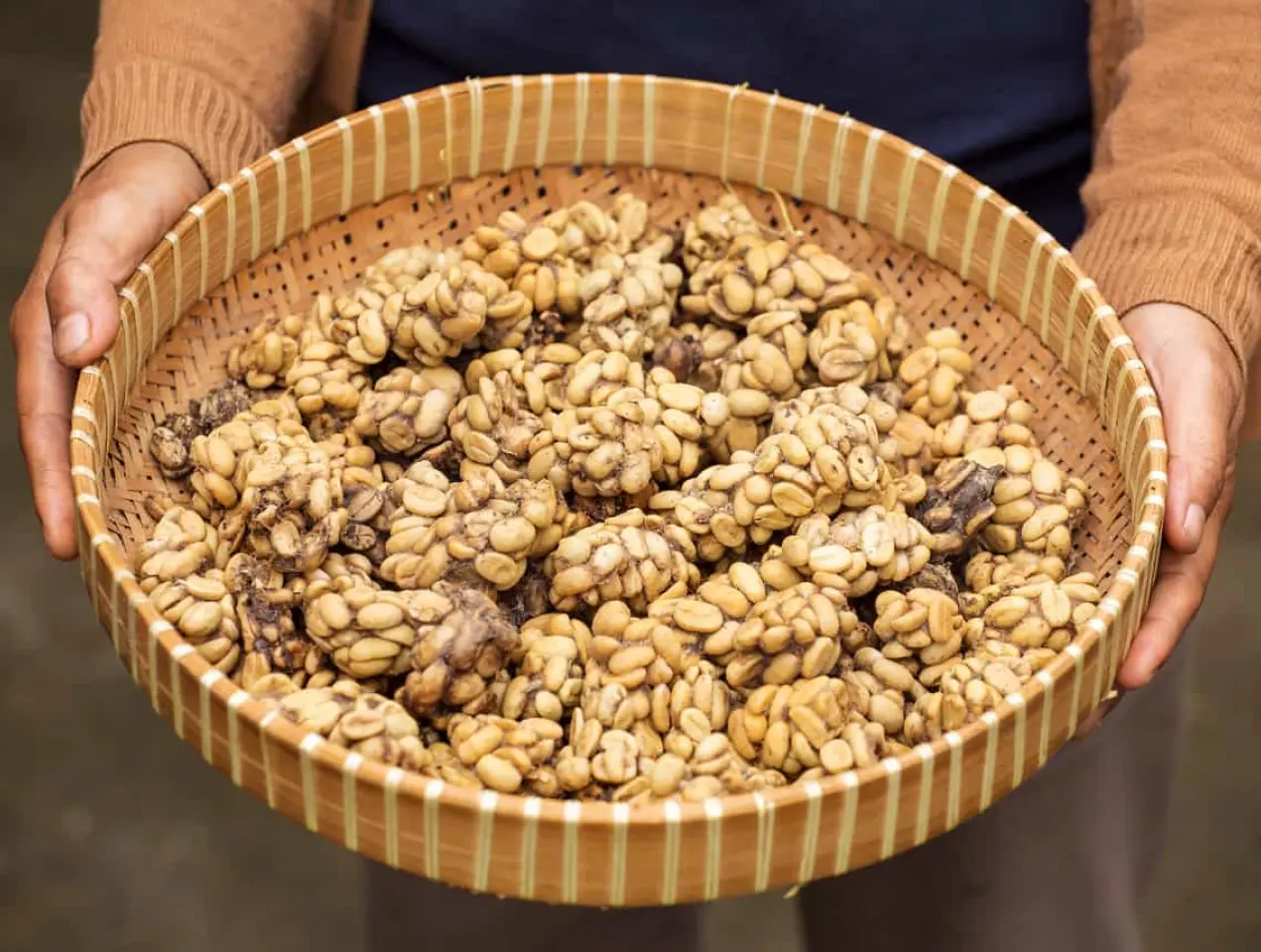
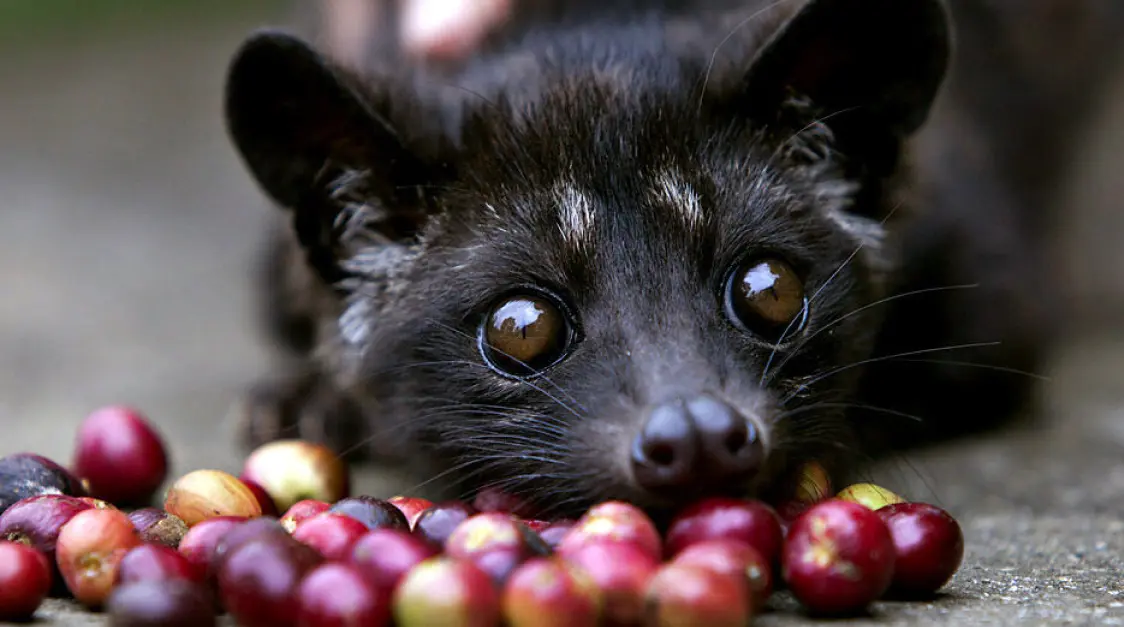
Perhaps the most famous expensive coffee, Kopi Luwak (also called Cat Poo Coffee or Civet Coffee) can cost up to $1,300 per kilogram when naturally sourced. Most comes from Bali, Indonesia, where tropical climate and volcanic soil create ideal growing conditions.
The Civet Process
- Asian palm civets (cat-like mammals) eat ripe coffee cherries
- Stomach enzymes digest the fruit but leave beans intact and slightly fermented
- Beans are collected, thoroughly washed in hot water
- Dried for approximately two weeks
- Hand-roasted in traditional woks over fire
- Hand-ground to preserve quality
Important Note: Wild-sourced Kopi Luwak is more expensive but more ethical than caged-civet production. The traditional wet-hulling roasting method and manual processing explain why a 250g bag takes over two weeks to produce.
The New York Times covered the process in detail. Learn more about Kopi Luwak in our article: Bali Coffee: Everything You Need to Know.
Frequently Asked Questions
▶ Why are these coffees so expensive?
▶ Are expensive coffees worth the price?
▶ How can I tell if Kopi Luwak is authentic?
▶ What makes Geisha coffee special?
Final Thoughts
Hacienda La Esmeralda, Black Ivory, and Kopi Luwak represent the pinnacle of coffee exclusivity and quality. Their distinct origins, unique production methods, and exceptional flavors justify their position as the world's most expensive coffees.
Whether these rare beans are worth the investment depends on your coffee passion and budget. For most coffee lovers, exceptional specialty coffees exist at more accessible price points. But for those seeking the ultimate coffee experience, these three represent the absolute finest—and rarest—the coffee world has to offer.