In the world of coffee making, there may not be two more popular brewing methods than Pour Over and French Press. French Press produces a full-bodied, rich cup with bold flavors through immersion brewing (4-minute steep time), while Pour Over creates a cleaner, more nuanced cup that highlights subtle flavor notes through gravity-fed brewing (3-4 minute total brew time). Your choice depends on whether you prefer bold intensity or delicate complexity in your coffee.
Quick Comparison: French Press vs Pour Over
Here's what sets these two methods apart:
French Press:
- Brewing method: Immersion (grounds steep in water)
- Brew time: 4 minutes
- Grind size: Coarse
- Body: Full-bodied, thick mouthfeel
- Flavor: Bold, rich, intense
- Best for: Quick, strong coffee with minimal technique
Pour Over:
- Brewing method: Percolation (water flows through grounds)
- Brew time: 3-4 minutes total
- Grind size: Medium-coarse
- Body: Light to medium, clean
- Flavor: Nuanced, bright, complex
- Best for: Specialty coffee, highlighting origin characteristics
Understanding French Press Coffee
How French Press Works
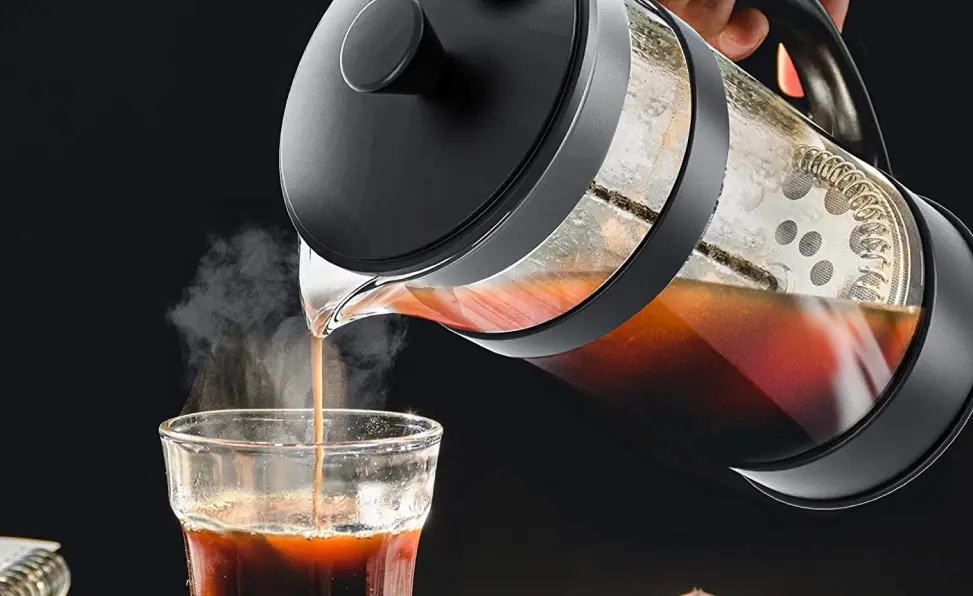
This process involves immersion brewing, which means coffee grounds steep directly in hot water rather than water dripping through them. Every French Press has three components: a beaker, a lid, and a fine mesh plunger. One of my favorite models is the Bodum French Press.
The French Press Process:
Grind your beans coarse – Think sea salt texture. Too fine creates sediment; too coarse produces weak coffee.
Measure your coffee – Use a ratio of 1:12 (25g coffee to 300mL water) for medium strength. Adjust to taste.
Heat water to 200°F – Just below boiling. This temperature extracts oils without burning the grounds.
Combine and steep – Pour hot water over grounds and let sit for 4 minutes.
Press and pour – Slowly push the plunger down to separate grounds from brewed coffee.
The result? A full-bodied cup with rich texture and bold flavors. The immersion method extracts more coffee oils and compounds, creating that distinctive mouthfeel French Press lovers crave.
Why Coffee Lovers Choose French Press
- Rich, full body – The metal filter allows natural oils through, creating a velvety texture
- Quick and simple – Set it and forget it for 4 minutes
- Consistent results – Less technique-dependent than other methods
- Control over strength – Easily adjust coffee-to-water ratio
- No paper filters – More environmentally friendly and lets oils through
Understanding Pour Over Coffee
The Art of Pour Over Brewing
Pour Over has developed an almost cult-like following among coffee enthusiasts. This method rewards precision and technique, allowing you to highlight the subtle characteristics of specialty beans.
Essential Pour Over Equipment:
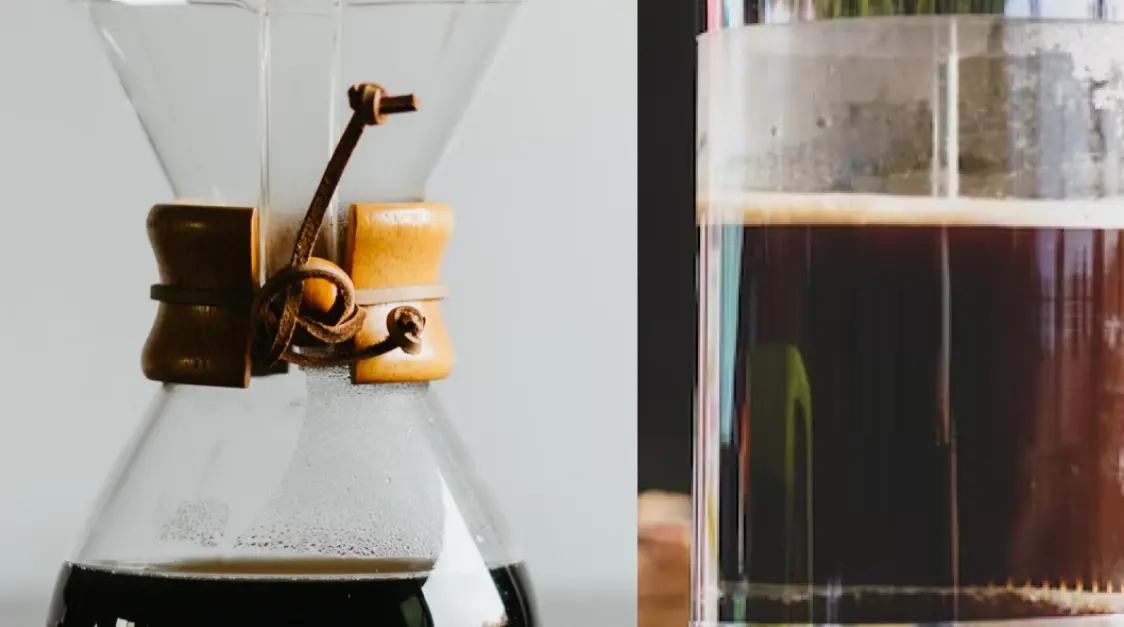
- Dripper (like Hario V60, Chemex, or Kalita Wave)
- Paper or metal filter
- Carafe or mug
- Gooseneck kettle (for controlled pouring)
- Scale (for precise measurements)
How Pour Over Works
The Pour Over method uses gravity to pull hot water through coffee grounds, extracting flavors as it passes through. Unlike French Press, the water doesn't sit with the grounds – it flows through them.
The Pour Over Process:
Grind medium-coarse – Slightly finer than French Press, resembling sand texture.
Prep your filter – Rinse paper filters with hot water to remove paper taste and preheat equipment.
Measure precisely – Use a 16:1 ratio (16g water to 1g coffee). For example, 30g coffee needs 480g water.
Heat water to 205°F – This higher temperature compensates for heat loss during pouring.
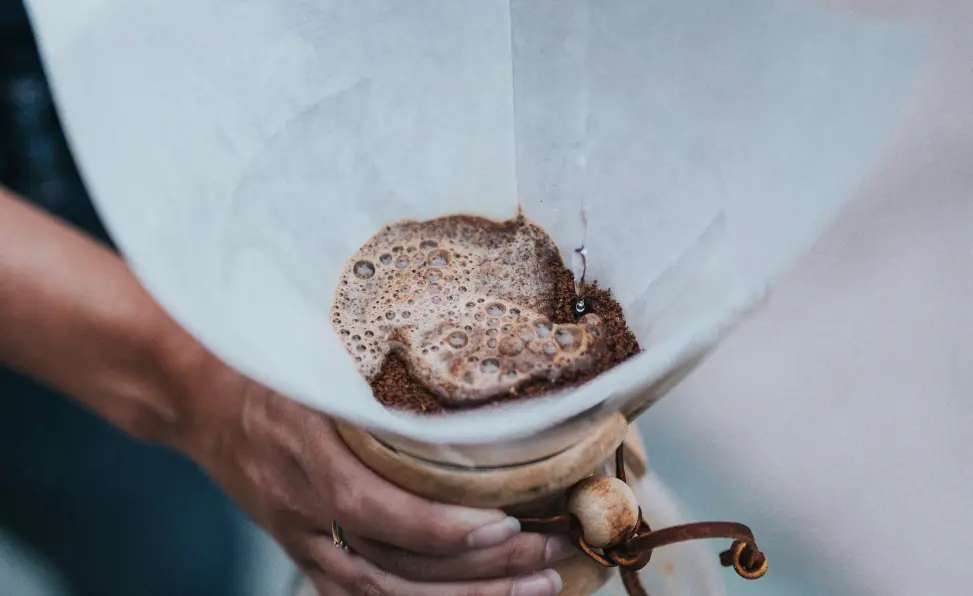
The bloom – Pour just enough water to saturate grounds (about 2x coffee weight). Wait 30-45 seconds as CO2 releases.
Pour in circles – Starting from the center, pour in slow, steady circles outward. Keep the coffee bed level.
Multiple pours – Break your total water into 3-4 pours over 3-4 minutes total brew time.
The key to Pour Over excellence is even extraction. Water naturally finds paths of least resistance, so consistent circular pouring ensures all grounds are evenly saturated. This takes practice but rewards you with exceptional clarity and flavor complexity.
Blue Bottle Coffee offers an excellent detailed Pour Over guide if you want to dive deeper into technique.
Why Coffee Purists Love Pour Over
- Flavor clarity – Paper filters produce a clean cup that highlights subtle notes
- Control over variables – Adjust grind, temperature, pour rate, and timing
- Ritual and mindfulness – The process becomes a meditative morning practice
- Showcases quality beans – Origin characteristics shine through
- Competition-level results – Perfect your technique over time
Which Method Should You Choose?
Choose French Press If You:
- Want bold, rich coffee with full body
- Prefer minimal technique and faster prep
- Like strong, intense flavors over subtle notes
- Need to brew multiple cups at once (great for entertaining)
- Want an eco-friendly option without paper filters
- Enjoy coffee with cream or milk (the bold flavor holds up)
Best beans for French Press: Dark roasts, chocolatey Central Americans, earthy Sumatran coffees
Choose Pour Over If You:
- Value clarity and nuance in flavor
- Enjoy the ritual and process of brewing
- Want to taste origin characteristics in specialty beans
- Appreciate clean, bright coffee without sediment
- Like experimenting with different techniques and variables
- Prefer lighter roasts that showcase complex flavors
Best beans for Pour Over: Light to medium roasts, floral Ethiopians, fruity Kenyans, specialty single-origins
The Bottom Line
Neither method is objectively "better" – they simply excel at different things. French Press delivers bold, full-bodied coffee with minimal fuss, making it perfect for daily drinking when you want consistency and strength. Pour Over rewards patience and technique with clean, nuanced cups that highlight exceptional beans.
Many coffee lovers keep both methods on hand: French Press for everyday bold cups, and Pour Over for special beans when they want to appreciate every subtle note. Your ideal choice depends on your taste preferences, available time, and how much you enjoy the brewing process itself.