Want to enjoy consistently excellent coffee at home? The secret lies in understanding coffee freshness. Roasted coffee stays at peak freshness for 2-3 weeks after roasting, maintaining optimal flavor, aroma, and body during this window. After that, it's still usable but won't deliver that perfect cup you're after.
Unlike green (unroasted) coffee beans that last for months, roasted beans are time-sensitive. The roasting process activates the beans' flavors but also starts a clock on freshness. Here's everything you need to know about roasted coffee freshness and how to maximize it.
Quick Facts: Coffee Freshness Timeline
- Peak freshness: 2-3 weeks after roasting
- Optimal brewing window: 4-18 days after roasting (when CO2 levels balance with aromatics)
- Still usable: Up to 6 months when stored properly
- Storage enemy #1: Oxygen (causes oxidation and flavor loss)
- Best storage: Airtight, opaque container in a cool, dark place
How Long After Roasting Is Coffee Good?
Coffee maintains peak quality for 2 to 3 weeks after roasting. During this period, the beans retain their full flavor profile, aroma, acidity, body, and texture.
The sweet spot for brewing typically falls between 4 to 18 days post-roast. This timing balances two key factors:
- CO2 degassing: Freshly roasted beans release carbon dioxide that can interfere with brewing
- Aromatic preservation: The volatile compounds that create coffee's amazing flavors
Always check the roast date on your coffee bag—it's the most critical information for ensuring freshness. If you roast at home, label your batches with the roast date immediately.
The Difference Between Green and Roasted Coffee
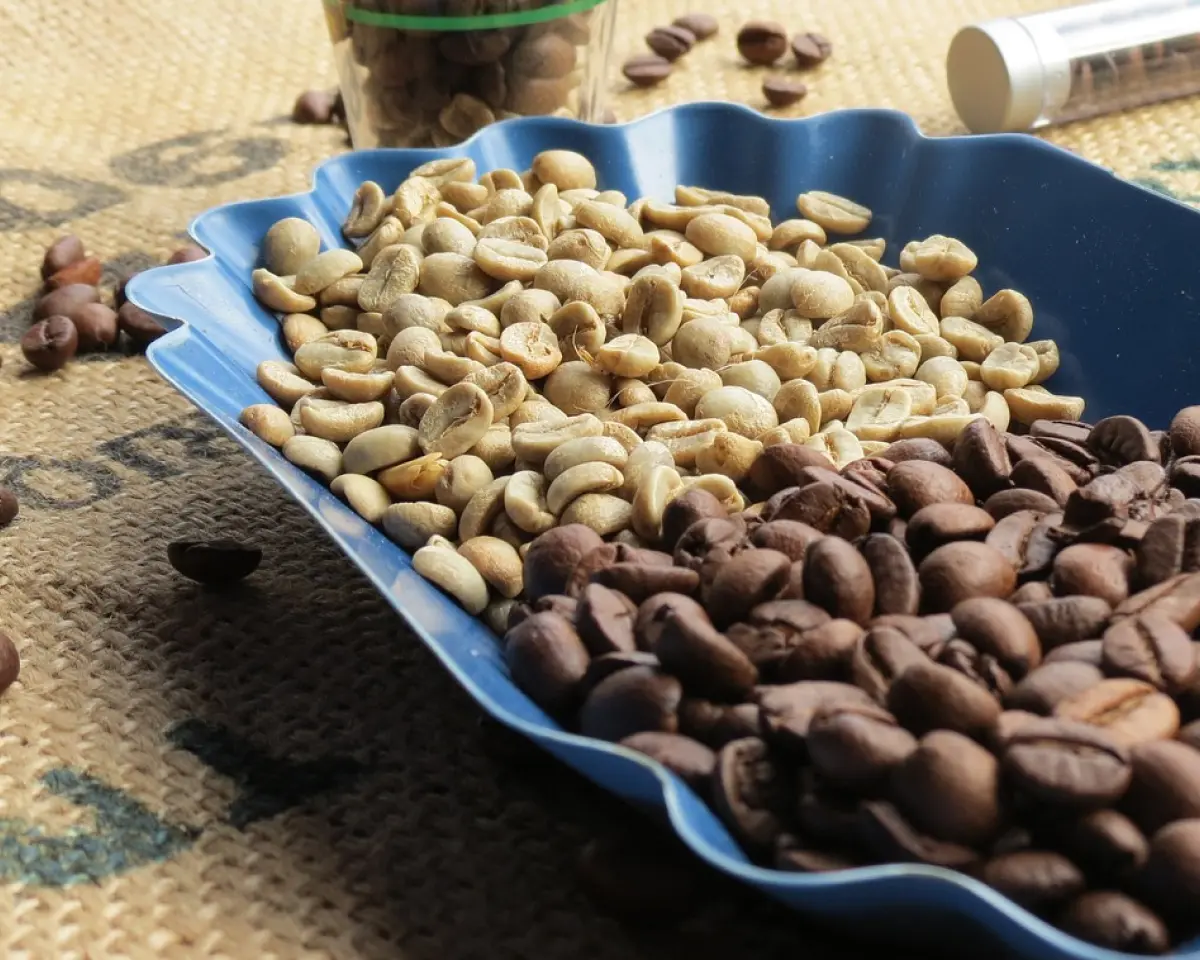
Green (unroasted) coffee beans are remarkably stable. Farmers and vendors can store green coffee beans for months in porous sacks without significant quality loss. These beans have a squishy texture and earthy, grassy taste—quite different from what you're used to!
Roasting transforms everything:
- Texture: From soft and cushiony to crunchy and brittle
- Moisture: Significantly reduced during high-temperature roasting
- Flavor: Complex tastes and aromas develop
- Shelf life: The aging process begins immediately
Freshness vs. Usability: What's the Difference?
Here's the important distinction: coffee loses freshness after 2-3 weeks, but it doesn't necessarily expire or become unusable.
After the peak freshness window, your coffee won't deliver optimal flavor, but you can still use it for:
- Cold brew coffee: The longer steeping process is more forgiving
- Coffee-flavored desserts: Ice cream, cakes, and pastries
- Pour-over methods: Some manual techniques work fine with older beans
- DIY projects: Natural air freshener for your home or car
Many coffee shops use month-old beans specifically for cold brew, as the brewing method masks some flavor degradation. When stored properly in cool, dry, dark conditions, coffee remains safe to use for up to 6 months.
Before using older coffee, always inspect it:
- ✅ No mold growth visible
- ✅ No off-putting or musty smells
- ✅ Beans aren't sticky or damp
If you notice any of these warning signs, discard the coffee immediately. Consuming moldy coffee can be dangerous.
Why Does Coffee Degrade After Roasting?
The culprit behind coffee degradation is oxidation. Roasting opens up the bean structure, making it vulnerable to environmental factors:
Four Main Enemies of Coffee Freshness
- Oxygen: The primary cause of oxidation and flavor loss
- Heat: Accelerates chemical reactions that break down flavor compounds
- Light: UV rays degrade aromatic compounds
- Moisture: Creates conditions for mold growth and rotting
Coffee is also surprisingly porous, meaning it easily absorbs odors from its environment. Store it near garlic, and you'll taste it in your morning cup!
While you can minimize these factors, you can't eliminate them entirely—which is why even perfectly stored coffee has a limited peak freshness window.
How Roast Level Affects Coffee Longevity
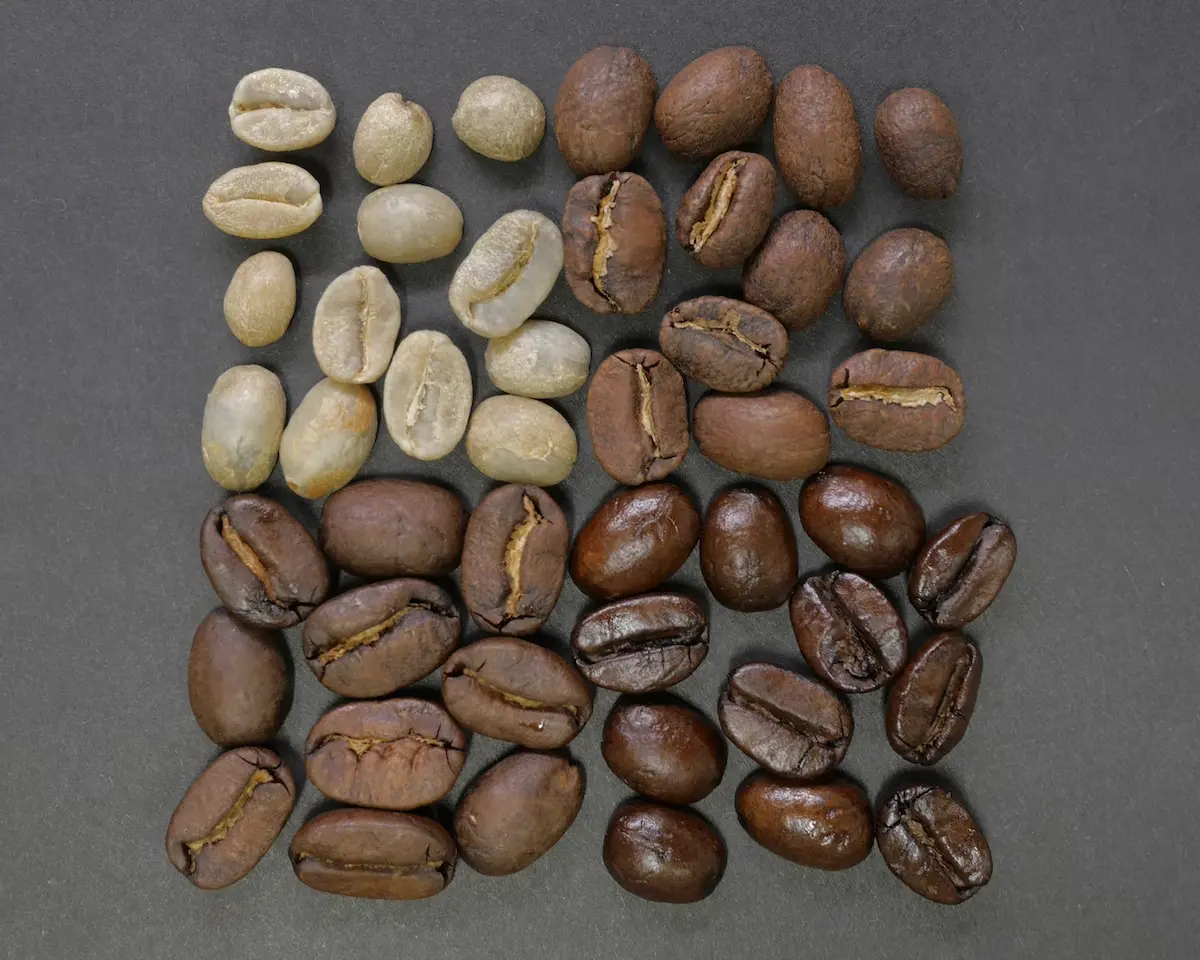
Not all roasted coffee degrades at the same rate. Dark roasts lose freshness faster than light roasts due to their longer roasting time and more extensive chemical changes.
The Science Behind Roast Levels
Dark roast coffee:
- Roasted longer at higher temperatures
- More complete combustion of bean structure
- Greater CO2 release during roasting
- Needs less degassing time (1-2 days)
- Shorter overall freshness window
Light roast coffee:
- Shorter roasting time at lower temperatures
- More retained bean structure
- More CO2 trapped in beans
- Needs longer degassing time (2-3 days)
- Slightly longer freshness window
The Importance of Degassing (Resting)
After roasting, coffee needs to rest or degas before brewing. This process:
- Allows excess CO2 to escape
- Lets the flavor profile fully develop
- Eliminates unpleasant combustion tastes
Degassing guidelines:
- Light roasts: Rest 2-3 days
- Medium roasts: Rest 1-2 days
- Dark roasts: Rest 1 day
If you don't degas properly, too much CO2 releases during brewing. The bubbles prevent water from properly extracting flavors, resulting in a disappointing cup.
How to Prolong Roasted Coffee Freshness
While you can't extend the 2-3 week peak freshness window indefinitely, proper storage ensures you get every day of quality from your beans.
Optimal Storage Conditions
DO:
- ✅ Use an airtight or vacuum-sealed container
- ✅ Choose opaque containers that block light
- ✅ Store in a cool, dark place (like a kitchen cabinet)
- ✅ Keep at room temperature or slightly below
- ✅ Store away from strong-smelling foods
DON'T:
- ❌ Use the original bag after opening (unless it has a one-way valve and reseals)
- ❌ Store in transparent containers exposed to light
- ❌ Keep near heat sources (stove, dishwasher, sunny windowsill)
- ❌ Place in humid areas
- ❌ Store near aromatic foods (garlic, onions, spices)
Best Container Options
- Airtight glass jars: Dark or amber-colored
- Ceramic containers: With rubber-sealed lids
- Stainless steel canisters: With CO2 release valves
- Vacuum-sealed bags: For long-term storage
The Biggest Coffee Storage Mistake
Never store roasted coffee in the refrigerator or freezer. This common mistake actually damages your coffee:
Why Cold Storage Ruins Coffee
Temperature fluctuations: Taking coffee in and out of the fridge causes condensation, introducing moisture directly into your beans.
Moisture absorption: The cold environment can actually rehydrate beans through condensation, promoting mold growth.
Odor absorption: Coffee is incredibly porous and will absorb flavors from everything in your fridge—fish, onions, leftovers. Your morning cup shouldn't taste like last night's dinner!
Flavor degradation: Extreme cold significantly diminishes the coffee's aromatic compounds and flavor profile.
Exception: If you buy in bulk (more than a month's supply), you can freeze coffee in small, airtight portions that you'll only open once. But this is for long-term storage only, not daily use.
Signs Your Coffee Has Gone Bad
Coffee rarely "spoils" in a dangerous way, but it can become unpleasant or develop mold in poor storage conditions.
Your coffee has gone bad if:
- Visible mold growth (white, green, or black spots)
- Musty, rancid, or off-putting smell
- Sticky or damp texture
- Strong cardboard or stale smell (not dangerous, just past prime)
Your coffee is just stale if:
- Weak or flat aroma
- Dull, one-dimensional taste
- Lack of acidity or brightness
- Minimal crema production (espresso)
Frequently Asked Questions
▶ How can I tell if my coffee beans are still fresh?
▶ Does ground coffee last as long as whole beans?
▶ Can I revive stale coffee beans?
▶ What's the white stuff on my coffee beans?
▶ Should I buy coffee with a one-way valve bag?
▶ How much coffee should I buy at once?
Final Thoughts: Maximizing Your Coffee Experience
The journey from roasted bean to perfect cup is all about timing. By understanding the 2-3 week freshness window and following proper storage practices, you'll consistently enjoy coffee at its peak.
Key takeaways:
- Check roast dates when buying coffee
- Store in airtight, opaque containers away from heat, light, and moisture
- Never refrigerate or freeze your daily coffee
- Buy smaller quantities more frequently
- Grind just before brewing for maximum freshness
Fresh coffee makes all the difference between a mediocre cup and an exceptional one. Now that you know the science behind coffee freshness, you can make informed decisions that elevate every brew.
Ready to explore more about coffee? Learn about storing green coffee beans or discover the best brewing methods for your fresh beans.