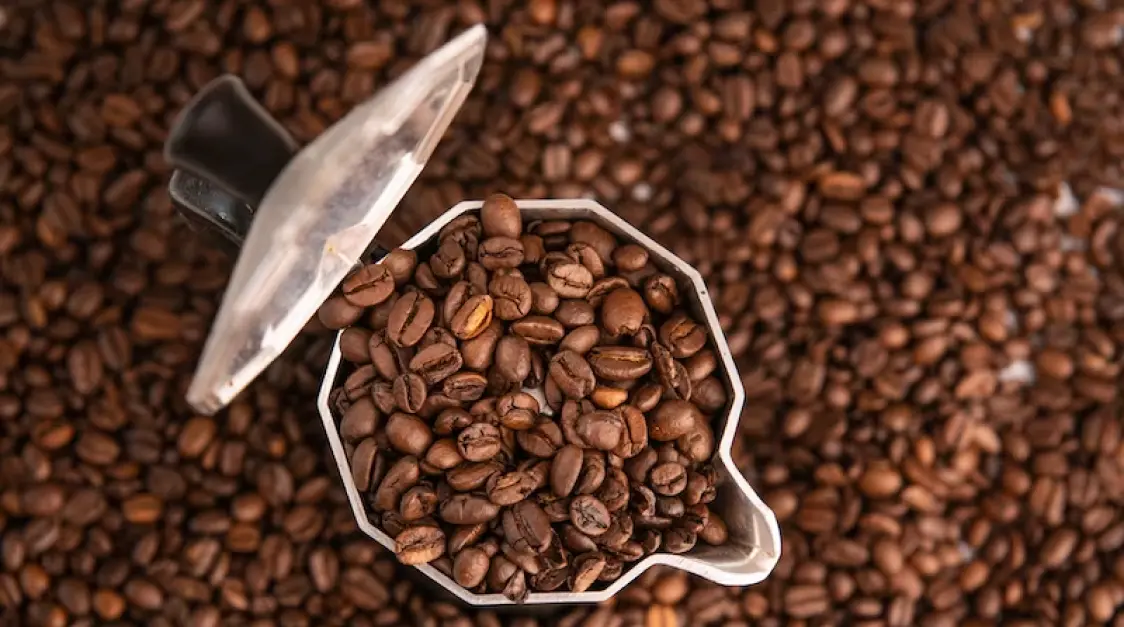
Looking to elevate your coffee experience? Tanzania peaberry coffee is one of the rarest and most prized coffee beans in the world. Unlike regular coffee beans that develop two seeds, peaberry beans contain a single, round seed that concentrates all the flavor and caffeine into one powerful package. The result? A sweeter, more refined cup with 15% more caffeine than standard beans.
These rare beans make up only 5-10% of global coffee production, with Tanzania's volcanic soil and high-altitude growing conditions producing some of the finest peaberries available. Expect rich flavors of black currant and chocolate from Kilimanjaro beans, or smooth fruity notes from Mbeya region beans.
What Is Tanzania Peaberry Coffee?
Peaberry coffee refers to a coffee bean with a single seed instead of the typical two. This natural mutation occurs in only 5-10% of coffee cherries worldwide, making these beans exceptionally rare.
When you open a regular coffee cherry, you'll find two flat-sided beans. But a peaberry cherry contains just one oval-shaped seed that's received all the nutrients meant for two. This unique anatomy concentrates the flavors and caffeine, creating a more intense coffee experience.
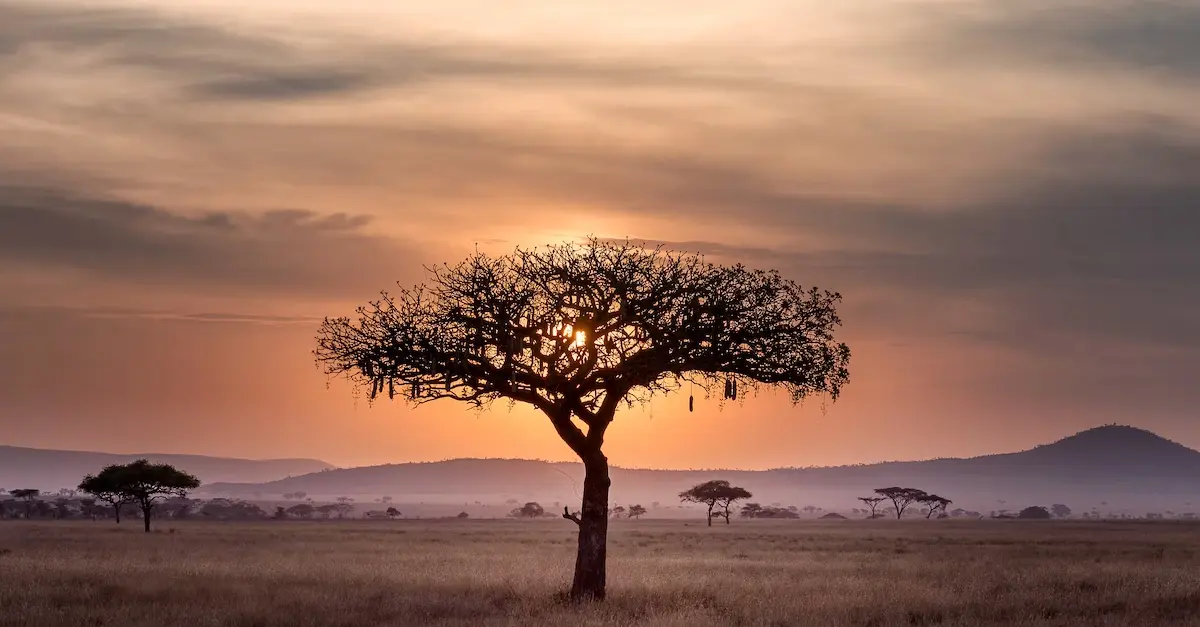
While peaberry beans grow in various regions including Kenya, Rwanda, Brazil, and Kona, Hawaii, Tanzania produces some of the world's finest peaberries. The combination of volcanic soil, high altitude, and ideal growing conditions creates distinctively rich and sweet flavors.
Why Tanzania Peaberry Stands Out
Exceptional Growing Conditions
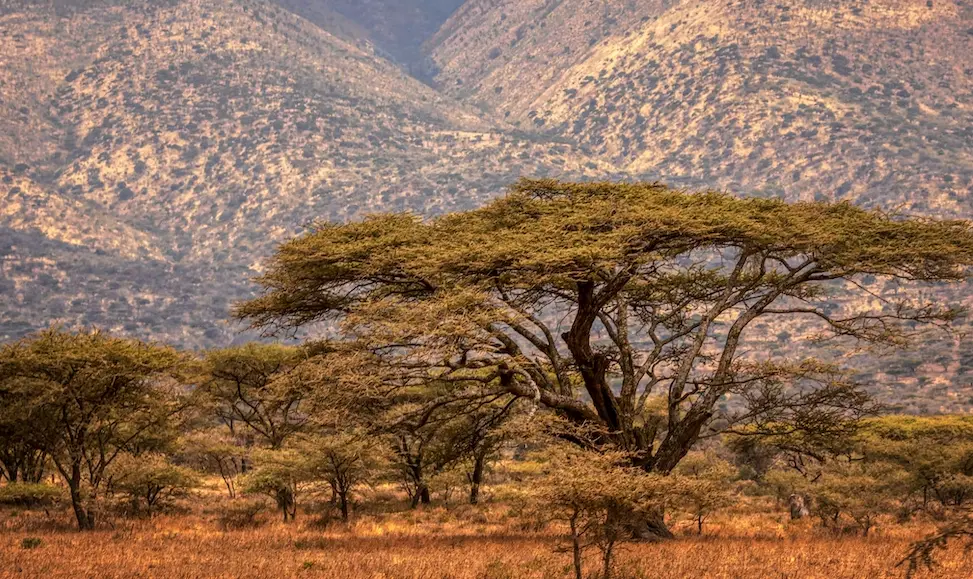
Tanzania's peaberry coffee comes primarily from two regions: Northern Kilimanjaro and Southwestern Mbeya. Both areas feature high-altitude terrain that significantly impacts flavor development.
Kilimanjaro Region:
- Grown on the foothills of Africa's highest mountain
- Volcanic soil enriches nutrient content
- Produces deep, rich flavors with black currant and chocolate notes
Mbeya Region:
- Full-bodied yet smooth taste profile
- Characteristic fruity notes
- Mild, pleasant acidity
The volcanic soil is particularly important. It's packed with minerals that regular growing regions simply can't match, contributing to the complex flavor profiles that make Tanzanian peaberries so sought-after.
Higher Caffeine Content
If you need that extra morning kick, Tanzania peaberry delivers. These beans contain significantly more caffeine than regular coffee.
A 2006 study by Barry D. Smith found that Tanzanian peaberry coffee contains nearly 15% more caffeine than standard two-seed beans. According to coffee.org, these beans contain about 1.5% caffeine compared to 1-1.37% in other varieties.
But here's the best part: despite the higher caffeine, Tanzanian peaberries taste sweeter and lighter than regular beans. The concentrated single seed delivers more energy without the harsh bitterness some high-caffeine coffees have.

Refined Flavor Profile
The single-seed structure creates a more uniform roast, which translates to consistent, refined flavors in every cup. Without two beans competing for space and nutrients, the lone peaberry develops more concentrated sugars and oils.
Common tasting notes include:
- Dark chocolate
- Black currant
- Wine-like acidity
- Honey sweetness
- Citrus undertones
The flavor complexity rivals some of the world's most expensive specialty coffees, yet peaberries often cost less than you'd expect for such quality.
Limited Availability Makes It Special
Since peaberries occur naturally and randomly, they must be hand-sorted from regular beans—an labor-intensive process that adds to their appeal. Farmers separate these special beans during processing, treating them as a premium product.
This scarcity means you're drinking something truly unique. Not everyone gets to experience the "champagne of coffee beans," making it perfect for special occasions or when you want to treat yourself to exceptional coffee.
Frequently Asked Questions
How does peaberry coffee taste different from regular coffee?
Peaberry coffee tastes sweeter and more refined with concentrated flavors. The single bean structure creates uniform roasting, eliminating the slight bitterness that can occur when two beans roast unevenly in the same cherry.
Is Tanzania peaberry coffee worth the higher price?
Yes, for coffee enthusiasts seeking exceptional flavor and higher caffeine content. The unique growing conditions, hand-sorting process, and limited availability justify the premium price for a truly distinctive coffee experience.
How should I brew Tanzania peaberry coffee?
Pour-over methods like V60 or Chemex highlight the complex flavors and bright acidity. French press also works well for bringing out the full body and chocolate notes. Use a medium grind and water temperature between 195-205°F.
Where can I buy authentic Tanzania peaberry coffee?
Look for specialty coffee roasters that source directly from Tanzanian farms. Check the label for specific region mentions (Kilimanjaro or Mbeya) and recent roast dates for the freshest beans.
Final Thoughts
Tanzania peaberry coffee offers a rare opportunity to experience one of the world's most unique and flavorful coffees. With its concentrated single-seed structure, volcanic-enriched growing conditions, and 15% higher caffeine content, it delivers an exceptional cup that stands apart from everyday coffee.
Whether you're drawn to the rich chocolate notes from Kilimanjaro or the smooth fruity flavors from Mbeya, Tanzanian peaberries provide a refined coffee experience worth seeking out. Try it once, and you'll understand why coffee lovers consider it the champagne of coffee beans.