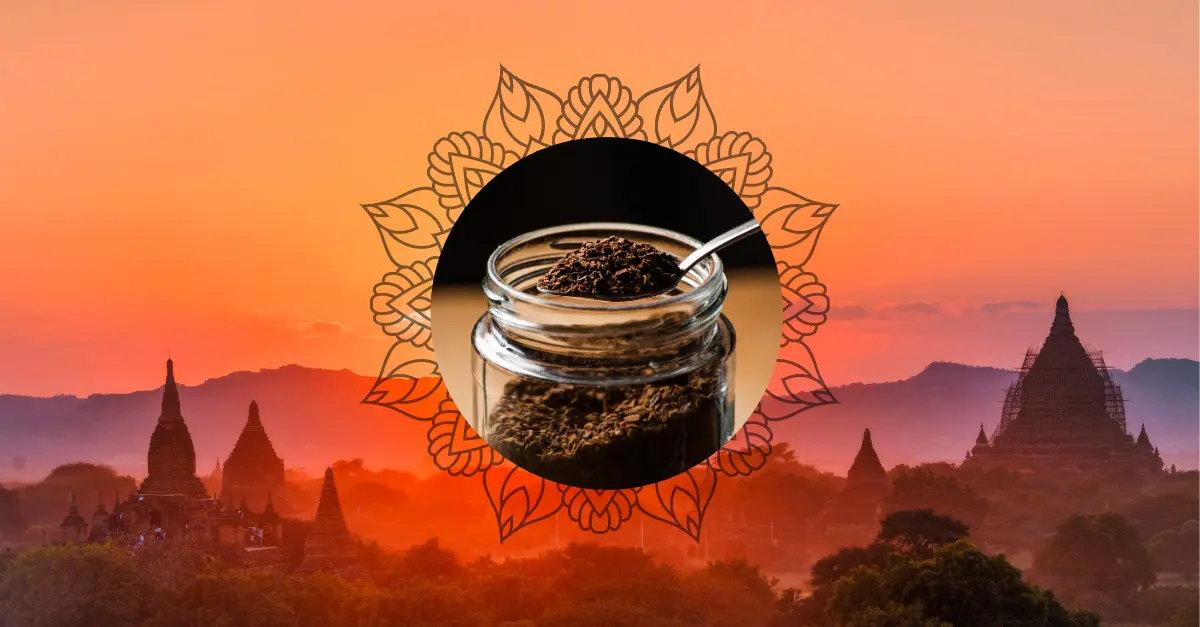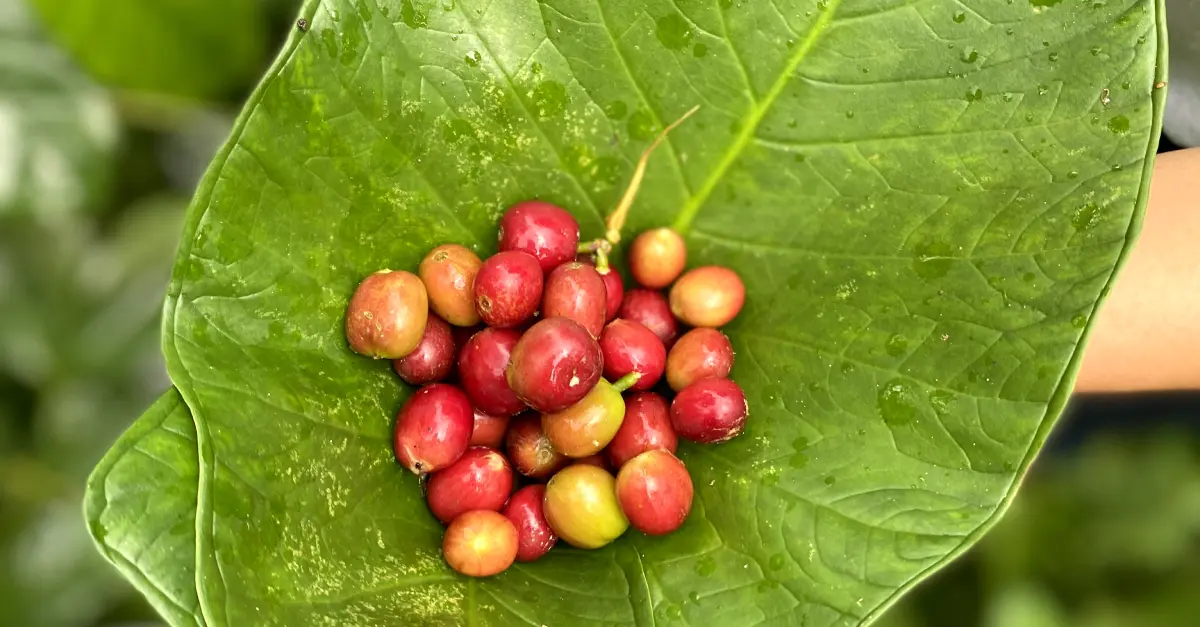
Bali coffee is expensive due to its exotic location, unique harvesting methods (especially Kopi Luwak), and ideal growing conditions. The island's volcanic soil and highland climate in regions like Kintamani create perfect conditions for cultivating premium Arabica and Robusta beans, while the legendary civet-processed Kopi Luwak remains the world's most expensive coffee.
Bali is an enchanting island paradise in the Indonesian Archipelago that captivates travelers with its breathtaking beauty, vibrant culture, and warm hospitality. Beyond the beaches and temples, this tropical destination is home to a thriving coffee culture deeply rooted in tradition.
The Rich History of Balinese Coffee
Bali's coffee journey began in the 20th century when Lombok traders first introduced coffee plants to the island. Over time, coffee cultivation became integral to Balinese agriculture and culture. Coffee ceremonies emerged as essential social rituals, bringing communities together.
Traditional Indonesian coffee, such as Kopi Tubruk, remains popular among locals and can be found in warungs (small local eateries) across the island. Today, Bali's coffee culture has evolved to include modern specialty cafes while maintaining its traditional roots.
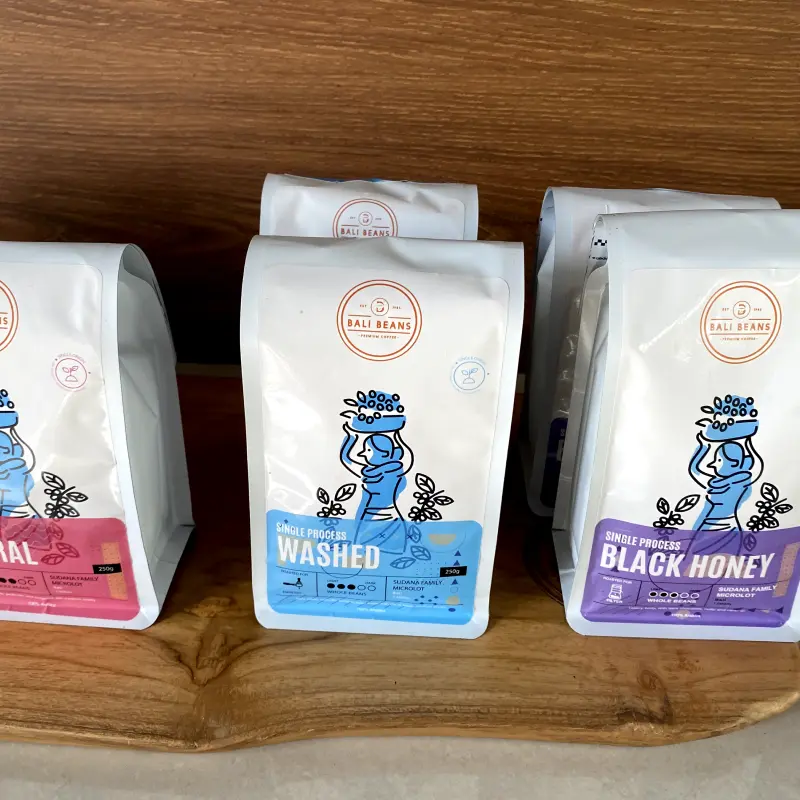
Three Distinctive Coffee Varieties
Bali Arabica Coffee (Kintamani Coffee)
Balinese Arabica coffee, known as Bali Kintamani Coffee, is among the finest Arabica varieties worldwide. Grown in the highland regions, it offers:
- Well-balanced, smooth taste with subtle acidity
- Medium body with exceptional clarity
- Flavor notes ranging from fruity and floral to nutty and chocolaty
- Distinct characteristics influenced by volcanic soil and altitude
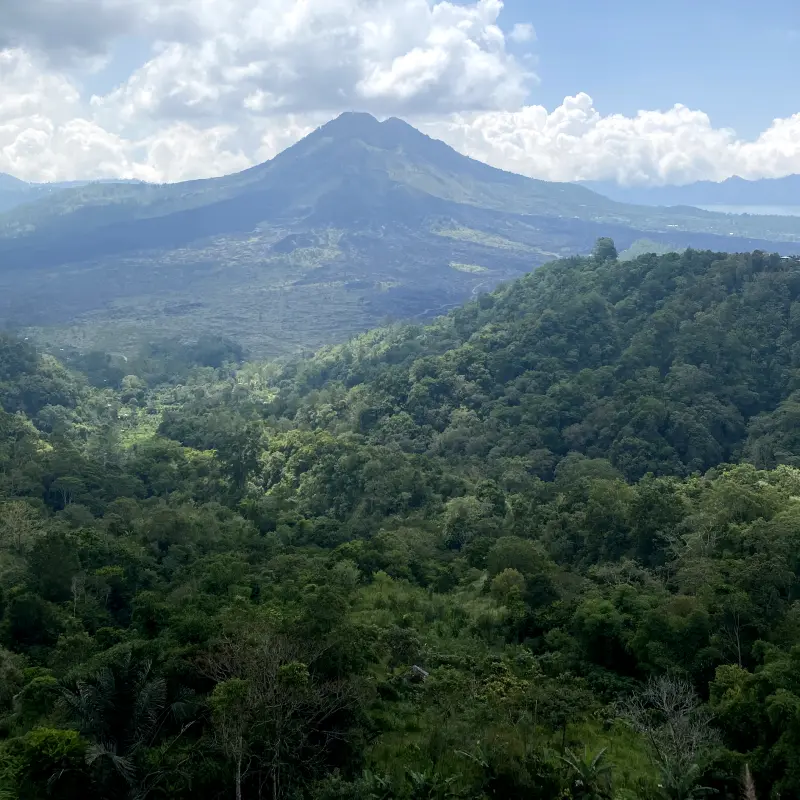
The Kintamani highlands provide ideal conditions with cooler temperatures and rich volcanic soil, producing beans that win over Arabica coffee lovers globally.
Bali Robusta Coffee
Bali Robusta thrives in the island's lower elevations, particularly in southern regions like Pupuan Tabanan. This variety offers:
- Stronger, bolder flavor profile
- Higher caffeine content than Arabica
- Deep notes of dark chocolate
- Hints of spices and earthy undertones
- Thrives in warmer temperatures with abundant rainfall
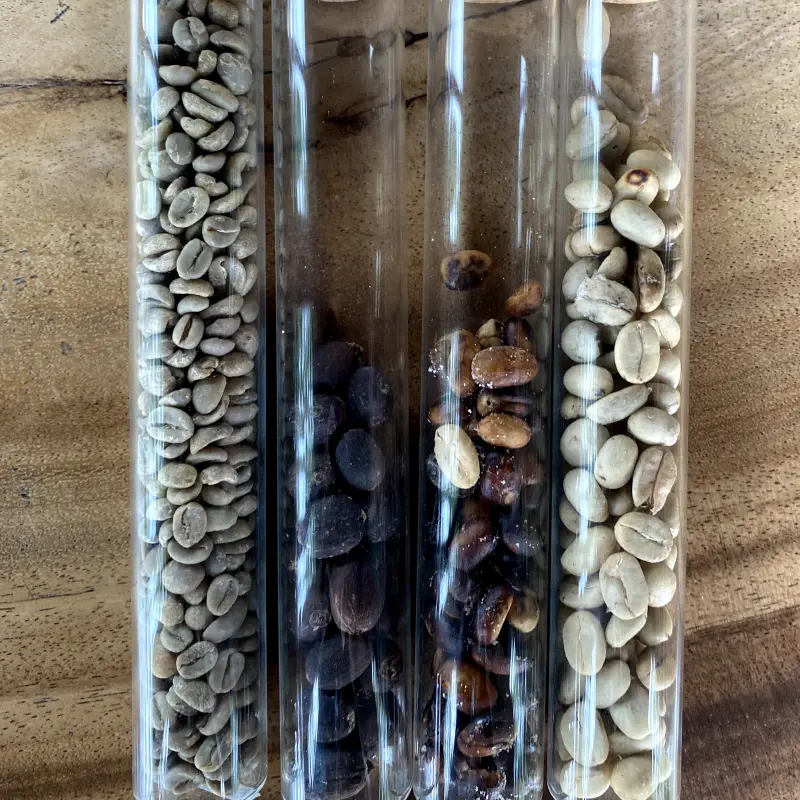
Kopi Luwak: The World's Most Expensive Coffee
The Unique Production Process
Kopi Luwak (Civet Coffee) is Bali's most famous and expensive coffee product. The extraordinary process involves:
- Asian palm civets eat ripe coffee cherries
- Natural fermentation occurs during digestion
- Beans are collected from civet feces
- Beans are thoroughly cleaned, roasted, and ground
This unusual fermentation lends Kopi Luwak its distinctive flavor and aroma, making it highly sought after by connoisseurs worldwide despite its controversial production method.
Ethical Considerations
The production of Kopi Luwak has raised significant ethical concerns:
- Many producers keep civets in captivity under poor conditions
- Increased demand has led to animal welfare issues
- Ethical alternatives include cage-free or wild-sourced options
- Certification bodies now promote transparent, humane practices
When purchasing Kopi Luwak, look for certifications ensuring ethical sourcing and proper treatment of civets.
The Ideal Growing Environment
Geography and Climate
Bali's diverse topography creates distinct coffee-growing regions:
Highland Regions (Kintamani, Bedugul):
- Cooler temperatures from higher elevations
- Ideal for Arabica cultivation
- Altitudes ranging from 1,000-1,500 meters
Lowland Regions (Tabanan, Badung):
- Warmer temperatures
- Perfect for Robusta coffee
- More abundant rainfall
Volcanic Soil Advantage
Bali's volcanic soil provides exceptional growing conditions:
- Rich in essential nutrients and minerals
- Enhanced by volcanic ash from Gunung Agung
- Superior drainage and water retention
- Natural fertilization from volcanic activity
The tropical climate features two distinct seasons: a dry season (April-October) and rainy season (November-March). This combination of warm temperatures, ample rainfall, and consistent humidity creates ideal conditions for coffee plants.
Coffee's Role in Balinese Society
Coffee holds a central place in Balinese culture, serving as more than just a beverage. It symbolizes hospitality, community, and tradition throughout daily life.
Social Gatherings
Local coffee shops called "warungs" serve as popular gathering spots where friends, family, and neighbors connect over coffee. These informal meetings strengthen community bonds and maintain social networks.
Traditional Ceremonies
Coffee plays an important role in various ceremonies and festivals, signifying warmth and unity. The traditional coffee-making ceremony is a meticulous process reflecting Balinese spiritual beliefs:
- Beans are carefully handpicked
- Roasted over an open fire
- Ground using a stone mortar and pestle
- Brewed with various spices and herbs
- Shared in a communal setting
Every aspect reflects the island's connection to nature and cultural heritage.
Harvesting and Processing Methods
Over 3,000 small-scale farmers dominate Bali's coffee production, organized into approximately 60 traditional groups called "subak abian." These cooperatives maintain quality standards and sustainable practices.
Harvesting Techniques
Selective Picking:
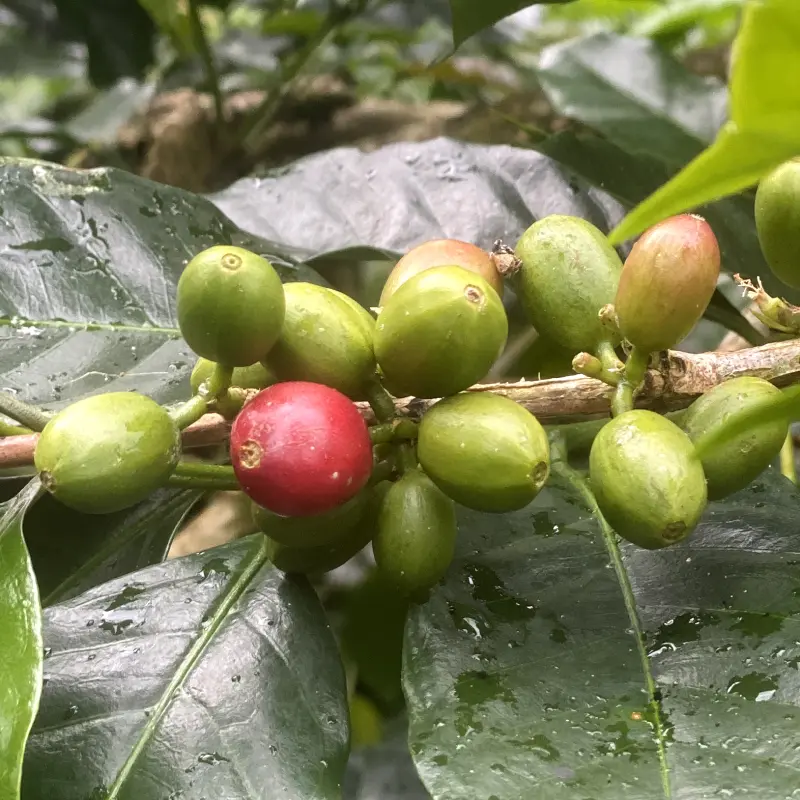
- Hand-selecting only the ripest cherries
- Ensures optimal flavor development
- Labor-intensive but produces premium quality
- Commonly used for Arabica varieties
Strip Picking:
- Harvesting all cherries at once
- More efficient for larger plantations
- Typically used for Robusta coffee
- Less selective but faster process
Processing Methods
Wet Processing (Washed Method):
- De-pulping removes outer cherry skin
- Beans ferment in water tanks for 12-48 hours
- Thorough washing removes mucilage
- Beans dried to proper moisture content
This method produces cleaner, brighter flavors highlighting the coffee's natural characteristics.
Dry Processing (Natural Method):
- Whole cherries spread on raised drying beds
- Regular turning prevents fermentation and mold
- Sun-dried to desired moisture content
- Hulling removes dried outer layers
This method creates fruitier, more intense flavor profiles.
Frequently Asked Questions
▶ What makes Bali coffee unique?
▶ How much does Kopi Luwak cost?
▶ Is all Kopi Luwak ethically produced?
▶ What's the best time to visit Bali coffee plantations?
▶ Can I buy authentic Bali coffee online?
Conclusion
Balinese coffee offers an extraordinary experience that transcends taste, representing a harmonious blend of tradition, nature, and community. From the everyday connections at local warungs to the luxury of Kopi Luwak, Bali's coffee culture reflects the island's spiritual essence.
Whether you're exploring the highland Arabica plantations of Kintamani or savoring a traditional cup prepared in a centuries-old ceremony, Bali's coffee invites you to understand the deeper connection between land, people, and the perfect cup. The island's unique growing conditions, combined with generations of cultivation expertise, continue to produce some of the world's most distinctive and sought-after coffee beans.