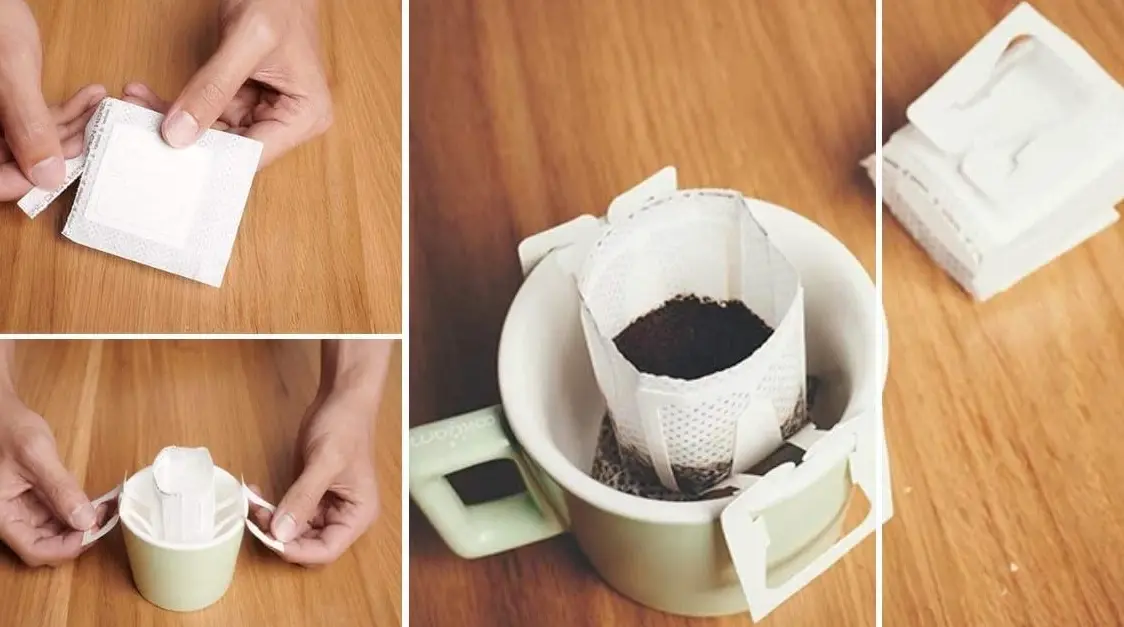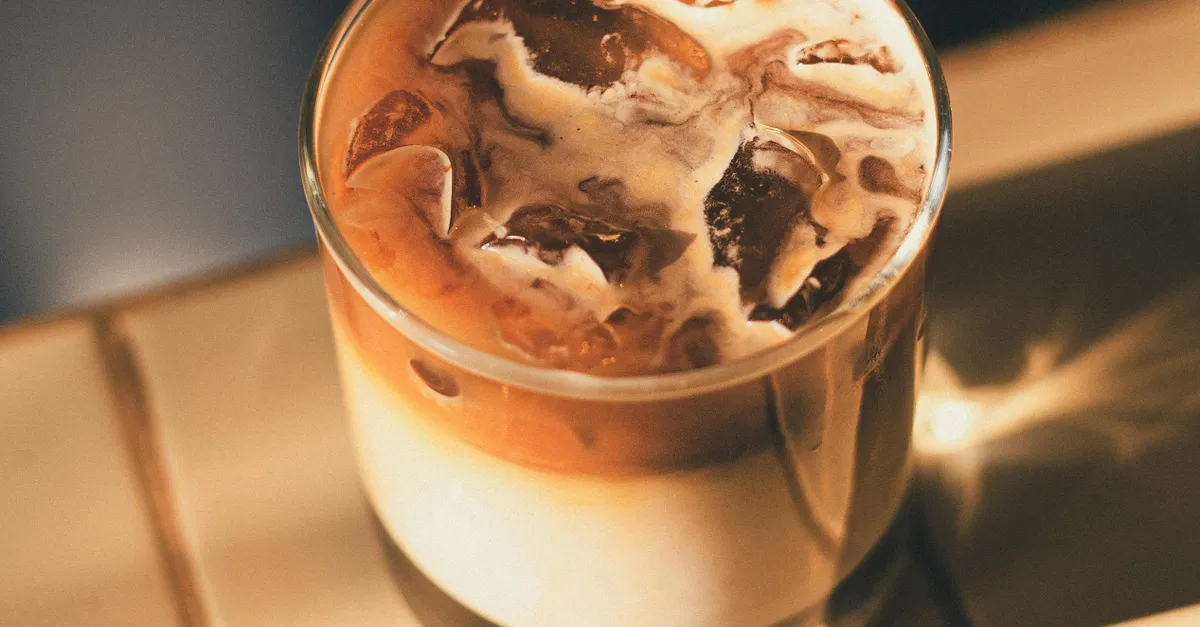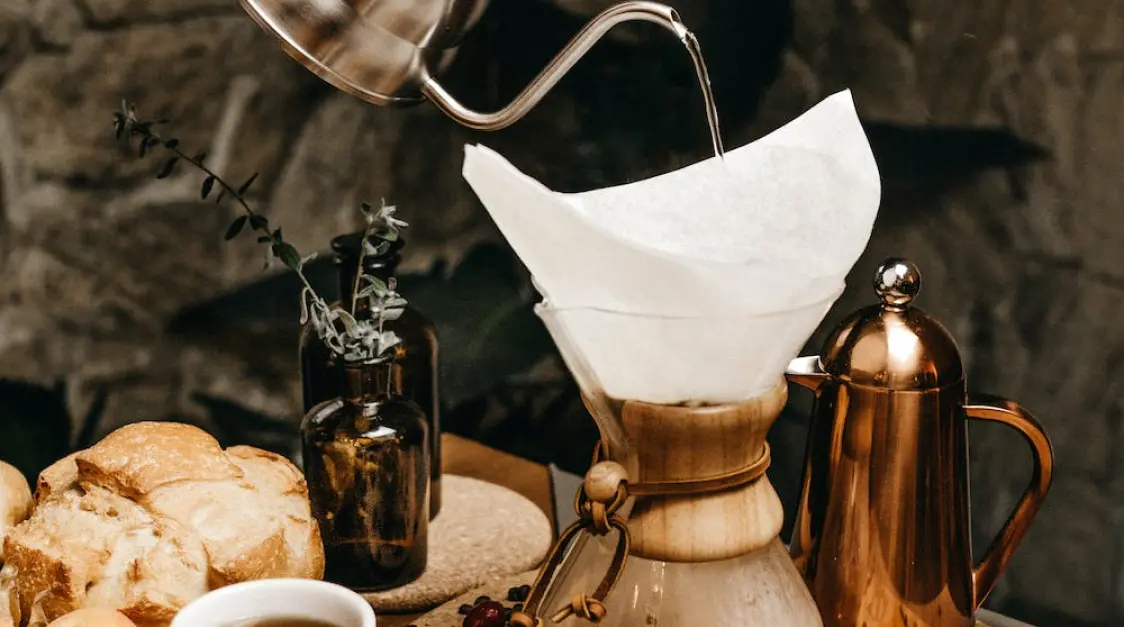
You may be wondering why it's essential to know the coffee-to-water ratio when making your morning cup. The answer: an incorrect ratio significantly affects the strength, consistency, and taste of your coffee. Whether you're brewing French press, espresso, or cold brew, each method requires a specific ratio to achieve that perfect balance.
Here's what many people don't realize: there's no one-size-fits-all coffee-to-water ratio. Each brewing method has its own ideal proportions. A French press uses 1:15, while espresso needs 1:2, and cold brew works best at 1:5. Getting these ratios right is the difference between a well-balanced cup and a disappointing brew.
Quick Reference: Coffee to Water Ratios by Brew Method
Here's a quick overview of the ideal ratios for popular brewing methods:
- French Press: 1:15 (1g coffee to 15ml water)
- Pour Over: 1:17 (1g coffee to 17ml water)
- Espresso: 1:2 (1g coffee to 2ml water)
- Cold Brew: 1:5 (1g coffee to 5ml water) - requires dilution
- Aeropress: 1:15 (1g coffee to 15ml water)
- Auto-Drip: 1:16 (1g coffee to 16ml water)
- Chemex: 1:15 (1g coffee to 15ml water)
- Moka Pot: 1:12 (1g coffee to 12ml water)
- Siphon: 1:15 (1g coffee to 15ml water)
Now let's dive into the details for each brewing method!
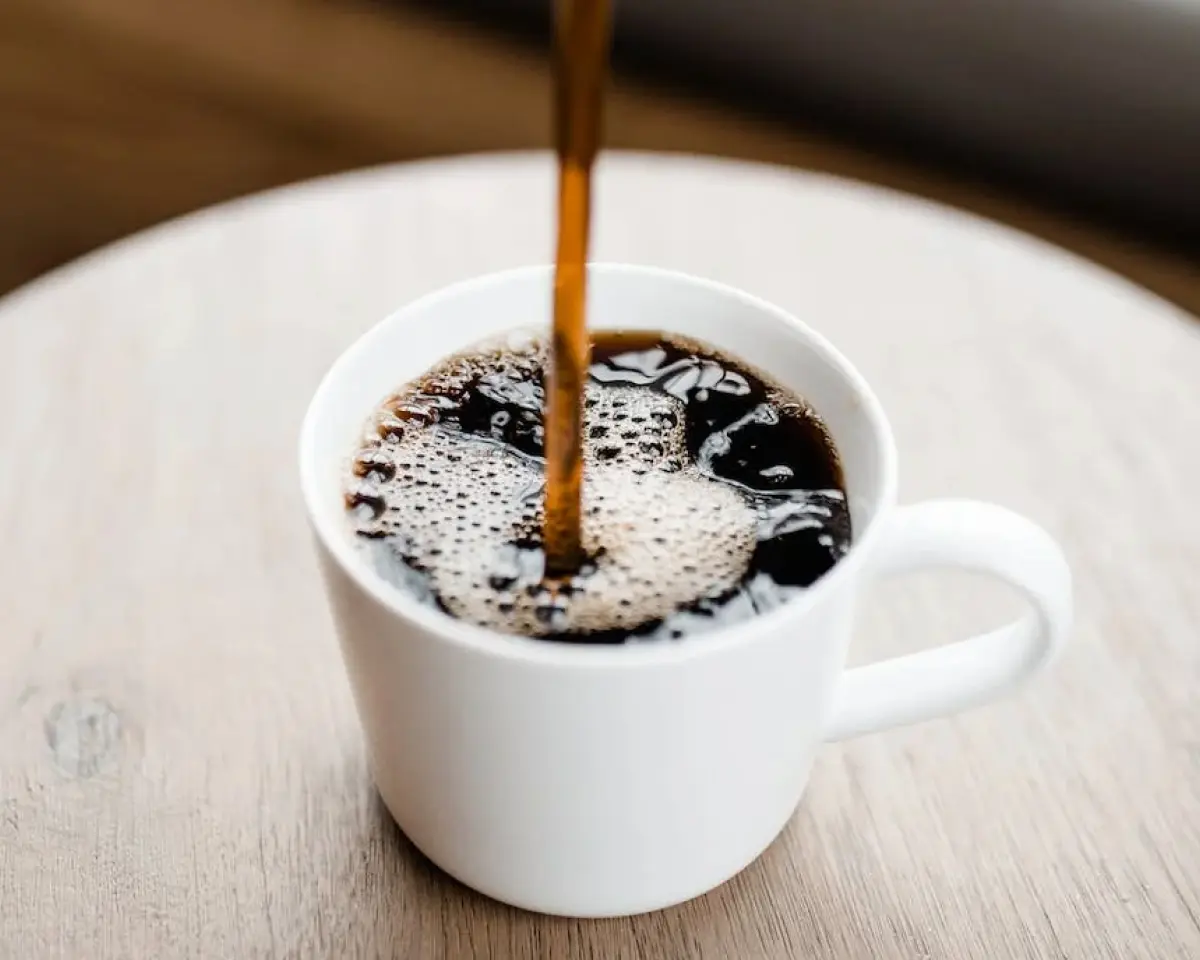
French Press Coffee to Water Ratio
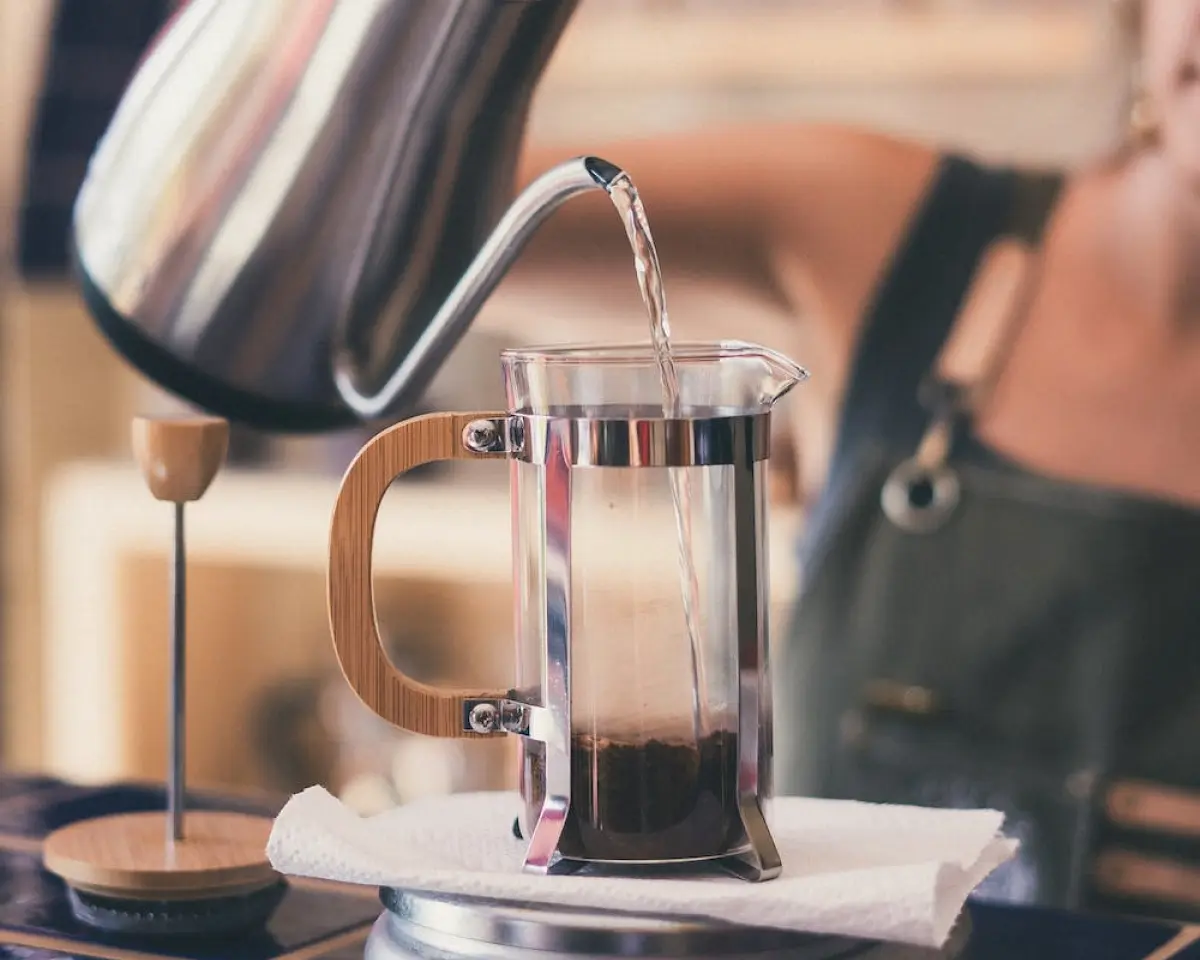
The ideal coffee-to-water ratio for French Press is 1:15 (1 gram of coffee to 15 milliliters of water). This creates a balanced, full-bodied cup that showcases the French press brewing style.
Adjusting Strength
- Stronger coffee: Use 1:12 ratio (increases coffee concentration)
- Weaker coffee: Use 1:17 ratio (lighter, more subtle flavor)
- Best tool: Digital kitchen scale for precise measurements
Tablespoon Measurements (No Scale Needed)
If you don't have a scale, tablespoon measurements work well:
- 32 oz French press: 12 tablespoons of coffee (regular strength)
- Per 16 oz (1 cup): 6 tablespoons (regular), 8 tablespoons (strong), 5 tablespoons (weak)
The key is maintaining a well-balanced ratio regardless of which measurement method you choose. This ensures you'll enjoy consistent, delicious French press coffee every time.
Pour Over Coffee to Water Ratio
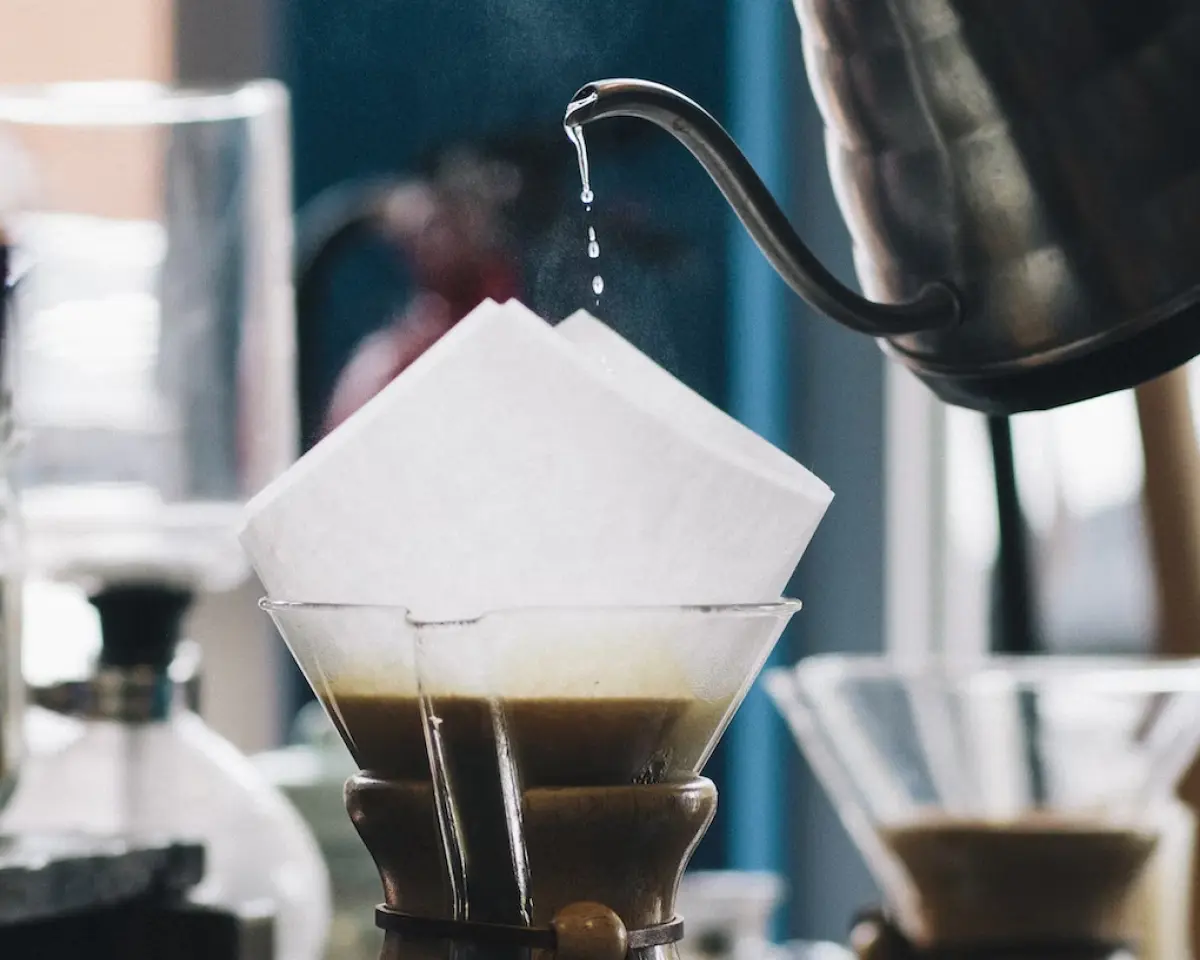
The standard pour-over coffee-to-water ratio is 1:17 (1 gram of coffee to 17 milliliters of water). Some coffee enthusiasts prefer 1:16 for a slightly stronger cup, but the difference is minimal.
Why Ratio Precision Matters for Pour Over
Pour-over uses an infusion method, meaning coffee and water contact time is shorter than immersion methods like French press. This makes several factors critical:
- Temperature: Affects extraction and flavor development
- Grind size: Impacts flow rate and extraction
- Pouring technique: Prevents channeling (uneven water flow)
Important: If your coffee doesn't taste right at the recommended ratio, adjust temperature and grind size before changing the ratio itself. Using a digital kitchen scale ensures consistency, especially since pour-over is done by hand and susceptible to human error.
Trying to estimate your measurements will result in inconsistent strength and flavor. For the best pour-over experience, weigh both your coffee and water.
Espresso Coffee to Water Ratio
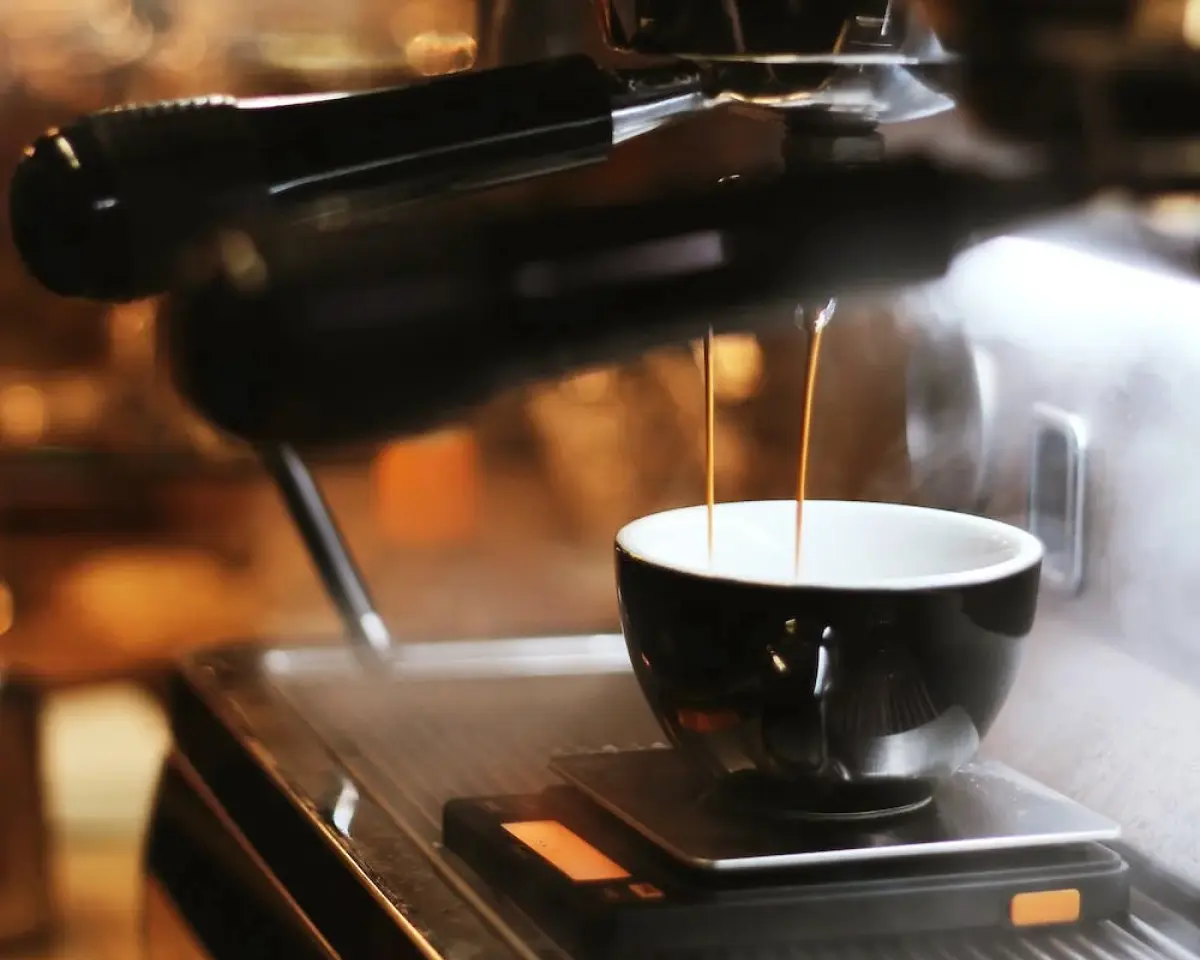
Espresso requires a coffee-to-water ratio of 1:2 (1 gram of coffee to 2 milliliters of water). Since espresso is a concentrate that's diluted with water or milk, this concentrated ratio is essential.
Why More Coffee Doesn't Mean More Flavor
Many people wonder: "If I add more coffee, why doesn't the flavor intensify?" The answer lies in other brewing variables:
- Grind size: Must be fine and consistent
- Brew time: Typically 25-30 seconds
- Temperature: Around 195-205°F (90-96°C)
- Pressure: 9 bars for proper extraction
All these factors work together. A perfect ratio only produces great espresso when these other elements are balanced.
Scale vs. Scoop for Espresso
Always use a kitchen scale for espresso, not a scoop. Here's why:
- Scale: Measures by weight (accurate and consistent)
- Scoop: Measures by volume (varies with grind size and settling)
Precision matters more with espresso than any other brewing method due to the small quantities and short extraction time.
Cold Brew Coffee to Water Ratio
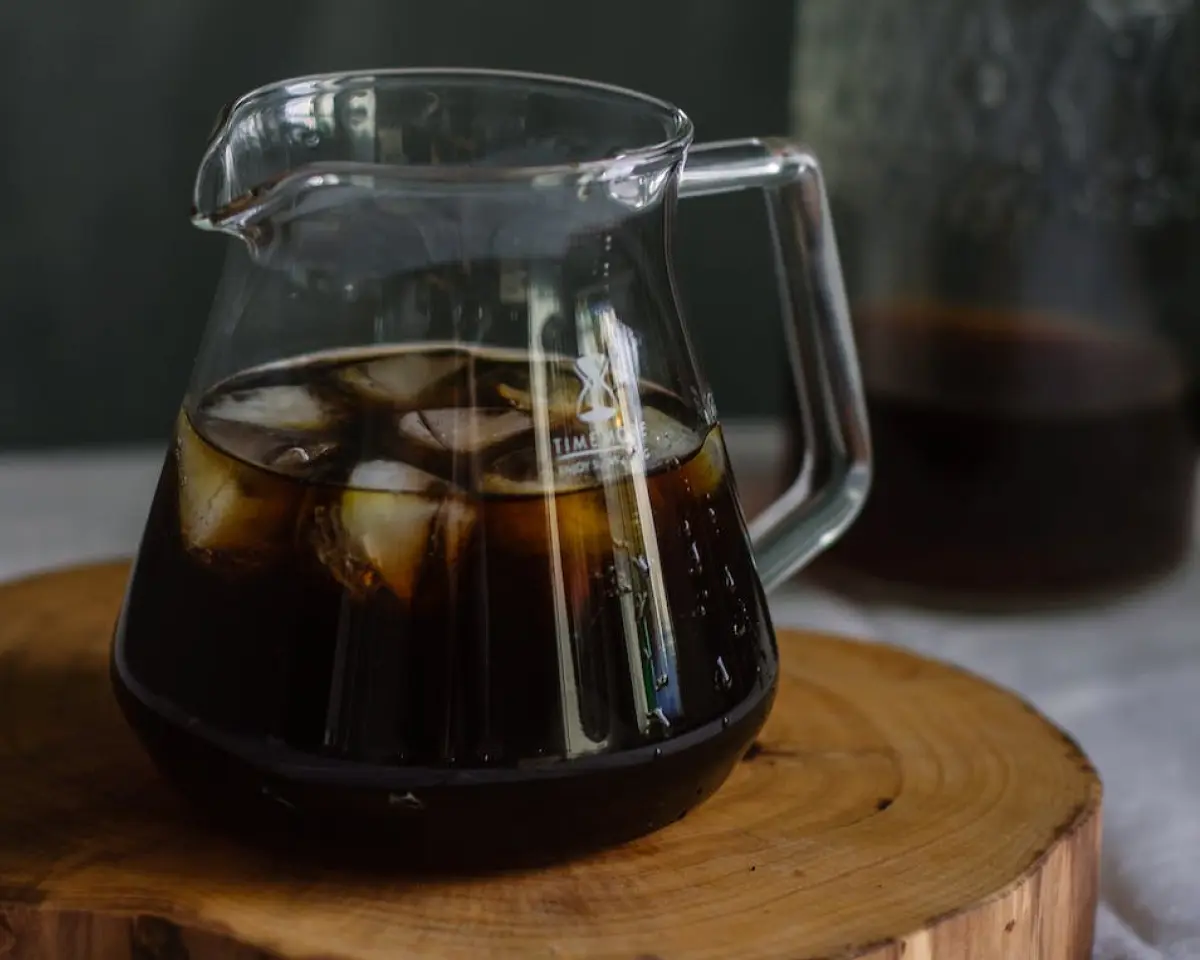
The ideal coffee-to-water ratio for cold brew is 1:5 (1 gram of coffee to 5 milliliters of water). This creates a concentrate that requires dilution before drinking.
Adjusting Cold Brew Strength
- Stronger concentrate: 1:4 ratio
- Weaker concentrate: 1:8 ratio
Tablespoon Method Alternative
Don't have a scale? Use this simple ratio:
- 2 tablespoons of coffee per 1 cup of water
- This method is already diluted and ready to drink
Diluting Cold Brew Concentrate
When using the 1:5 ratio, you'll need to dilute the concentrate before drinking:
- With water: Equal parts concentrate and water
- With milk: For a creamy twist, dilute with milk instead (game-changer for latte lovers!)
The concentrate is heavily concentrated at this stage, so dilution is necessary. Store your concentrate in the fridge and dilute individual servings as needed.
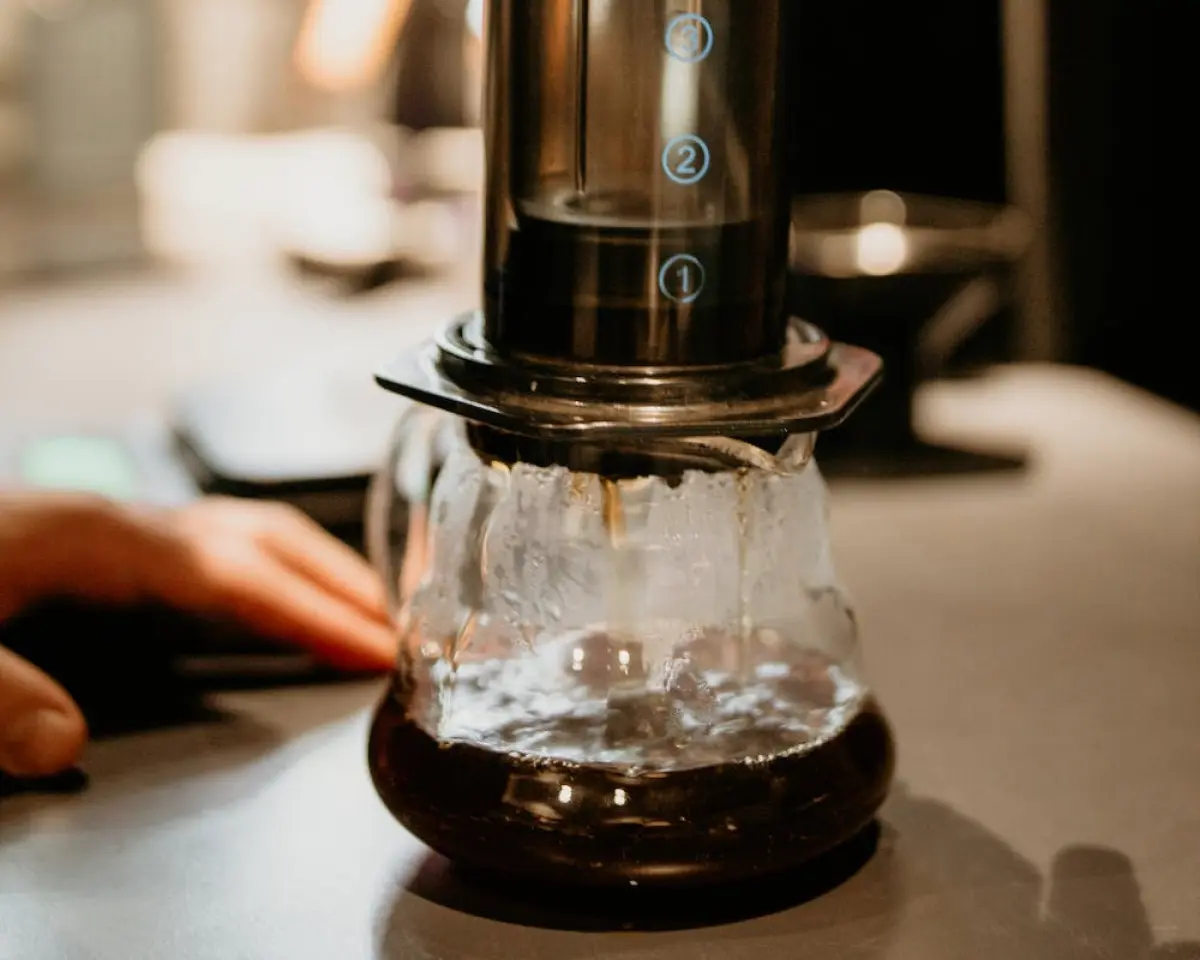
Aeropress Coffee to Water Ratio
The standard Aeropress coffee-to-water ratio is 1:15 (1 gram of coffee to 15 milliliters of water). This produces a clean, flavorful cup with the distinctive Aeropress profile.
Adjusting Aeropress Strength
- Stronger brew: 1:10 ratio
- Lighter brew: 1:18 ratio
Key Factors Beyond Ratio
Aeropress brewing relies heavily on three other variables:
- Brew time: Typically 1-2 minutes
- Grind size: Medium-fine works best
- Water temperature: 175-185°F for most roasts
If your Aeropress coffee doesn't match your desired taste, check these factors before adjusting your ratio.
Why Scale Over Scoop?
Aeropress requires precise measurements due to the small brewing chamber. A digital scale provides the accuracy needed for consistent results. The small quantities involved mean even slight variations can significantly impact flavor.
Auto-Drip Coffee Maker Ratio
A good starting point for auto-drip coffee is 1:16 (1 gram of coffee to 16 milliliters of water). This produces a balanced cup that works well for most drip machines.
Adjusting Auto-Drip Strength
- Stronger coffee: 1:15 ratio
- Weaker coffee: 1:18 ratio
Tablespoon Measurements
Don't have a scale? Use this guideline:
- 2 tablespoons of ground coffee per 6 oz (177ml) of water
Pro Tip: Temperature Matters
Most auto-drip machines heat water to only 180°F, which isn't hot enough for optimal extraction. Here's a simple fix:
- Run an empty water cycle through your machine
- Use that hot water (now around 200°F) to brew your coffee
- This temperature is perfect for extracting all the flavors
Important: Don't let brewed coffee sit on the warming plate. This degrades flavor and acidity. Brew what you'll drink immediately, or transfer to an insulated carafe.
Chemex Coffee to Water Ratio
The recommended coffee-to-water ratio for Chemex is 1:15 (1 gram of coffee to 15 milliliters of water). This ratio complements the Chemex's thick filters, which produce a exceptionally clean cup.
Measurement Methods
- Kitchen scale: Most precise option
- Tablespoon method: 3 tablespoons per 1 cup (8 oz) of water
Temperature is Critical
Your ratio may seem off if your water temperature isn't right:
- Too hot (boiling): Scorches coffee, creates bitter taste
- Too cold: Under-extracts, weak and sour
- Ideal temperature: 200°F (93°C)
Combine the proper temperature with an accurate coffee-to-water ratio for the perfect cup of Chemex coffee. The thick Chemex filters already remove oils and sediment, so focus on temperature and ratio for optimal results.
Moka Pot Coffee to Water Ratio
For Moka Pot brewing, use a 1:12 ratio (1 gram of coffee to 12 milliliters of water). This creates an espresso-like concentrate perfect for straight drinking or mixing into milk drinks.
Alternative Ratio for Different Profiles
- For highlighting specific characteristics: Use 1:15 ratio
- For traditional espresso-style: Stick with 1:12
Tips for Best Results
Use freshly roasted beans: Ideally roasted within the last week. Fresh beans are crucial for the Moka pot method.
Dilution guide:
- Regular coffee: Add 80-100ml of water to the concentrate
- Specialty drinks: Use about 50ml of water
Grind size matters: Use medium-fine grind (like sand grain size). Avoid extremely fine grinds that can seep through and create muddy, over-extracted coffee.
A digital kitchen scale ensures precision and consistency for this concentrated brewing method.
Siphon Coffee to Water Ratio
The ideal siphon coffee-to-water ratio is 1:15 (1 gram of coffee to 15 milliliters of water). This ratio works perfectly with the siphon's unique vacuum brewing process.
Specialty Brewing Requirements
Like the Moka Pot, siphon brewing is a specialty method that requires:
- Fresh beans: No more than two weeks post-roast
- Kitchen scale: For accuracy and consistency
- Medium grind: Prevents fine particles from slipping into your coffee
Water Quality Matters
Coffee is composed largely of water, so water quality directly affects taste regardless of your ratio. Always use filtered water for siphon brewing. The clean, theatrical brewing process deserves quality water to showcase the coffee's true flavors.
The siphon method creates a remarkably clean, tea-like cup that highlights subtle flavor notes. The 1:15 ratio ensures proper extraction without overpowering these delicate characteristics.
Coffee to Water Ratio Calculations
Now that we've covered brewing methods and their ratios, let's learn simple calculations to determine exactly how much coffee and water you need.
Key conversion to remember: 1 gram = 1 milliliter
Calculation 1: Finding Coffee Mass
What you know: Water amount and ratio
What you need: Coffee amount
Formula: Water Mass ÷ Water Ratio = Coffee Mass
Example:
- You want a 350g cup at 1:10 ratio
- 350 ÷ 10 = 35 grams of coffee needed
Calculation 2: Finding Water Mass
What you know: Coffee amount and ratio
What you need: Water amount
Formula: Coffee Mass × Water Ratio = Water Mass
Example:
- You have 15g coffee and want 1:15 ratio
- 15 × 15 = 225ml of water needed
Calculation 3: Finding the Ratio Used
What you know: Coffee amount and water amount
What you need: The ratio
Formula: Water Mass ÷ Coffee Mass = Ratio
Example:
- You used 35g coffee and 350g water
- 350 ÷ 35 = 10
- Your ratio is 1:10
Quick Example
If you brew with 35g coffee and 350g water:
- 350 ÷ 35 = 10
- Your ratio is 1:10 (coffee to water)
These calculations work for any brewing method and help you scale recipes up or down while maintaining the same strength and flavor profile.
Frequently Asked Questions
▶ How do I measure coffee to water ratio without a scale?
▶ What happens if my coffee to water ratio is wrong?
▶ Should I adjust the ratio for different roast levels?
▶ Can I use the same ratio for all brewing methods?
▶ Why does my coffee taste different even with the correct ratio?
Conclusion
Mastering coffee-to-water ratios transforms your daily brewing from guesswork into a reliable process. Whether you prefer the full body of a French press, the clean clarity of pour-over, or the concentrated punch of espresso, the right ratio is your foundation for consistently great coffee.
Remember these key points:
- Each brewing method requires its specific ratio
- Digital scales provide the most accurate measurements
- Temperature, grind size, and water quality matter as much as ratio
- Start with recommended ratios, then adjust to your taste preferences
The good news? Once you find your perfect ratio for each brewing method, you can replicate delicious coffee every single morning. Save this guide and experiment until you discover the ratios that make your ideal cup!