You've probably seen enzyme coffee marketed as a weight loss miracle. But does it actually work?
No, enzyme coffee won't help you lose weight. Despite marketing claims, there's no credible scientific evidence that enzyme coffee aids in fat burning or weight loss. The supposed "enzymes" would be destroyed during roasting, brewing, and digestion anyway. Companies selling enzyme coffee provide vague ingredient lists and make scientifically questionable claims without backing them up with research.
Here's what you need to know about the enzyme coffee trend and why we don't recommend it.
What Are Enzymes and How Do They Work?
An enzyme is a protein that speeds up chemical reactions in your body. They're essential for digestion, liver function, and many other processes.
Key Functions of Enzymes
Digestive enzymes break down complex molecules into simpler ones:
- Proteins → amino acids
- Fats → lipids
- Carbohydrates → glucose
Your body produces enzymes naturally. They work by lowering the "activation energy" needed for reactions to occur, making biological processes more efficient.
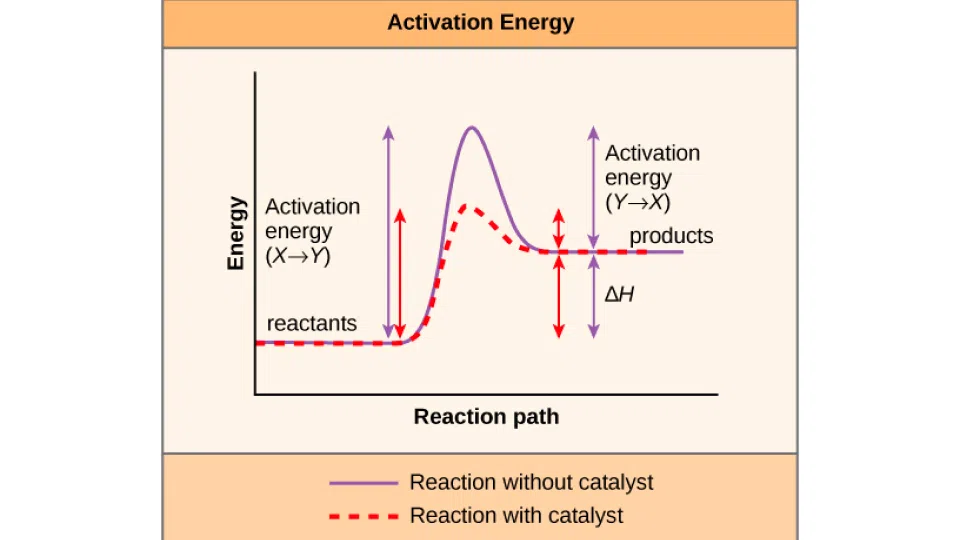
Image from "Potential, kinetic, free, and activation energy: Figure 5," by OpenStax College, Biology, CC BY 3.0.
How Enzymes Actually Work
Enzymes bind to substrates (the molecules they act on) and temporarily change their shape. This stretching and twisting speeds up the reaction.
However, enzymes are sensitive to their environment. They only work optimally under specific conditions of pH and temperature. They also need "helpers" called coenzymes—vitamins or minerals that enable them to function.
The Enzyme Coffee Claims: Too Good to Be True
Enzyme coffee products claim to contain special enzymes that break down fat cells. Companies say these enzymes exist naturally in coffee but are destroyed during roasting—and they've supposedly found a way to preserve them.
The Scientific Problems
The claims fall apart under scrutiny:
Roasting destroys enzymes. The high heat of roasting (400°F+) denatures proteins, destroying enzyme structure and function.
Brewing would destroy them too. Boiling water used to make coffee would further destroy any remaining enzyme activity.
Your stomach acid finishes the job. Human stomach acid has a pH of 1.5—enzymes can't survive that acidic environment.
No specific enzymes are named. Companies keep their "secret enzyme" vague, which is a red flag.
Questionable Marketing Claims
Take this claim from Wawee Coffee's SkinnyBrew:
"The enzymes in the coffee contain required coenzymes for fat metabolism that may assist in the oxidative breakdown of fatty acids into mitochondria."
This statement is scientifically nonsensical. You cannot break down fatty acids "into mitochondria." Mitochondria are complex cellular structures with their own DNA—they can't be created from fatty acids.
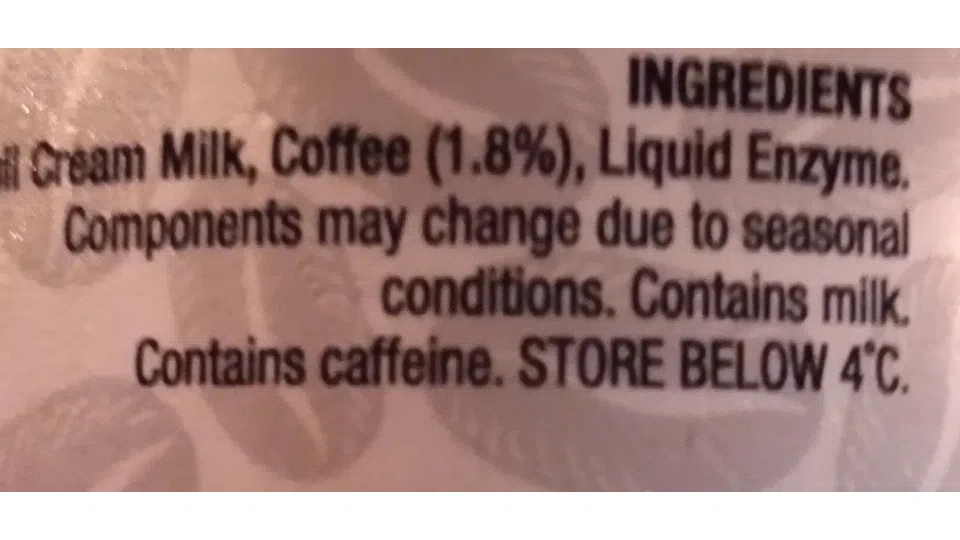
Not All "Enzyme Coffee" Makes Weight Loss Claims
It's worth noting that some specialty coffee roasters use enzyme fermentation for flavor, not weight loss. DAYES Enzyme Fermented Coffee, for example, uses enzyme fermentation to create smooth taste and deep aromas—similar to how chocolate or wine is processed.
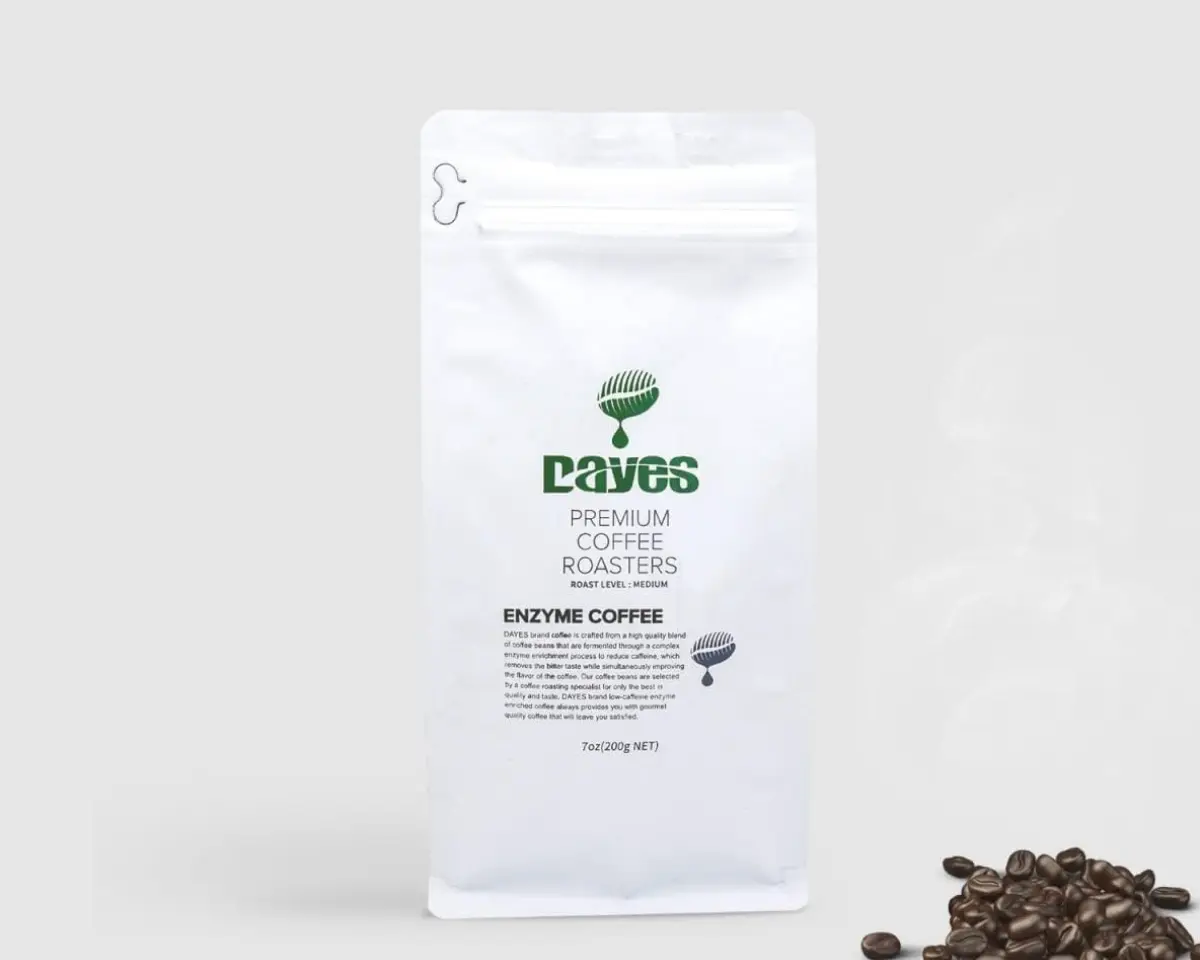
This is legitimate specialty coffee processing, not a weight loss gimmick. The enzymes are used during fermentation before roasting, not claimed to survive into your cup.
What the Research Actually Shows
While enzyme coffee for weight loss lacks evidence, some legitimate research exists on enzymes and weight management:
Freeze-dried instant coffee study: Found that instant coffee increased antioxidant enzyme activity and induced weight loss in rats, but also worsened cholesterol profiles.
White bean amylase inhibitor review: A review of 14 studies showed that amylase inhibitors from white beans may support weight and fat loss in humans.
Lipase inhibitor study: Found that lipase inhibitors can reduce fat absorption and result in significant weight loss.
Important note: These studies examine specific enzyme inhibitors (which block enzyme activity), not enzyme-enhanced coffee. They also showed mixed results and potential side effects.
Expert Opinion: It's Just Instant Coffee
Canadian Naturopath Brian Yeung reviewed enzyme coffee products and concluded they're essentially overpriced instant coffee with unsubstantiated claims.
Our Recommendation
We do not recommend enzyme coffees marketed for weight loss. Here's why:
- No credible evidence supporting their weight loss claims
- Vague ingredient lists that hide what's actually in the product
- Scientifically questionable claims that don't hold up to scrutiny
- Overpriced compared to regular coffee
- Potential false hope that distracts from proven weight management strategies
If you're interested in weight loss, talk to a physician or registered dietitian who can provide evidence-based guidance tailored to your needs.
Frequently Asked Questions
▶ What is enzyme coffee supposed to do?
▶ Are there any studies proving enzyme coffee helps with weight loss?
▶ Is enzyme-fermented coffee the same as enzyme coffee for weight loss?
▶ Can enzymes survive the coffee roasting and brewing process?
▶ What's a better way to support weight loss with coffee?
The Bottom Line
Enzyme coffee for weight loss is a marketing gimmick unsupported by science. The enzymes companies claim will help you lose weight simply can't survive roasting, brewing, or digestion.
If you enjoy coffee and want to support your health, stick with high-quality regular coffee—preferably black or with minimal added calories. Skip the expensive enzyme coffee products and invest your money in proven weight management strategies instead.
For those interested in specialty enzyme-fermented coffees for their unique flavor profiles (not weight loss), that's a different category worth exploring as a coffee enthusiast.