Caffeine is the world's most popular psychoactive drug, and it has literally changed the course of human history. Michael Pollan's research in "Caffeine: How Caffeine Created the Modern World" shows how it shaped wars, politics, economies, and even made the Industrial Revolution possible.
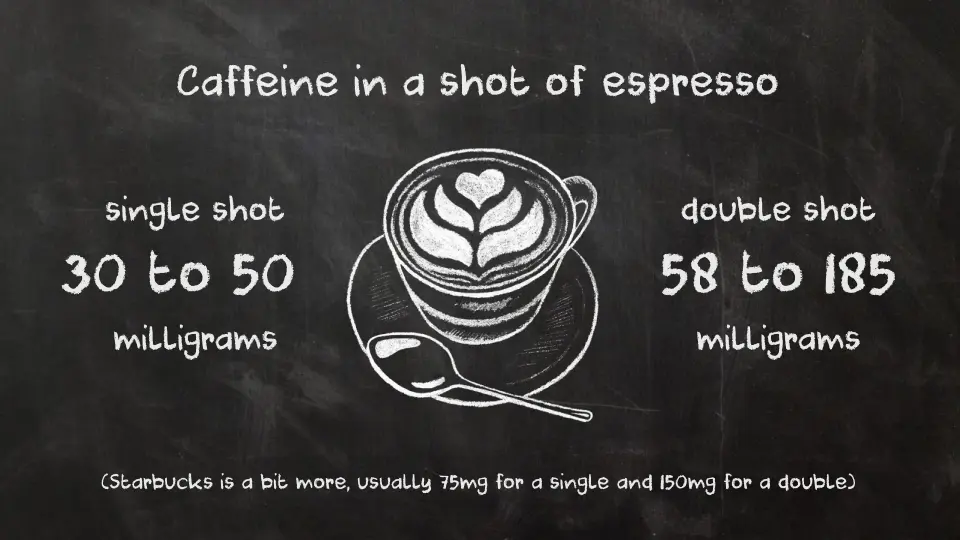
A single shot of espresso contains 30-50mg of caffeine, while a double shot has 58-185mg. For context, that's about the same as one can of Coke (12 oz) for a single shot, or roughly equivalent to a cup of regular coffee for a double shot. The exact amount varies based on the coffee beans, grind size, and brewing method used.
But there's much more to understand about caffeine - how it affects your body, safe daily limits, and why the type of coffee bean matters. Let's dive into everything you need to know about espresso's caffeine content.
Quick Caffeine Facts
- Single espresso shot: 30-50mg caffeine
- Double espresso shot: 58-185mg caffeine
- Starbucks espresso shot: ~75mg caffeine
- Safe daily limit (adults): 400mg (about 8 single shots)
- Safe daily limit (teens): 100mg (about 2 single shots)
- Caffeine half-life: 3-6 hours in your body
How Much Caffeine Is in Different Espresso Servings?
Single Shot of Espresso
A standard single espresso shot (1 oz) contains 30-50mg of caffeine. This is roughly equivalent to the caffeine in a 12 oz can of Coke.
The amount varies based on:
- Coffee bean variety (Arabica vs. Robusta)
- Roast level
- Grind size
- Water temperature
- Extraction time
Double Shot of Espresso
A double shot (doppio) contains 58-185mg of caffeine - about the same as a regular 8 oz cup of drip coffee. The wide range exists because brewing variables have a significant impact.
Most coffee shops serve doubles as their standard "espresso" unless you specifically request a single.
Starbucks Espresso
Starbucks espresso shots contain approximately 75mg of caffeine per shot - slightly higher than the typical 30-50mg range. This is due to their specific bean blend and brewing method.
- Solo (single shot): ~75mg
- Doppio (double shot): ~150mg
- Triple shot: ~225mg
- Quad (four shots): ~300mg
Why Caffeine Levels Vary Between Coffee Types
Coffee isn't created equal when it comes to caffeine content. The biggest factor? The type of coffee bean.
Arabica beans contain less caffeine than Robusta beans. That's why Arabica tastes milder and smoother - it has about 1.5% caffeine content compared to Robusta's 2.7%.
The brewing method matters too. Espresso has more caffeine per ounce than regular coffee because pressurized hot water is forced through tightly packed grounds. However, a full cup of drip coffee often contains more total caffeine than a single espresso shot simply because the serving size is larger.
Quick comparison per fluid ounce:
- Espresso: 30-50mg per oz
- Drip coffee: 12-16mg per oz
- Cold brew: 15-20mg per oz
If you want a stronger kick, choose espresso or a Robusta-based blend. For a milder experience, go with Arabica beans and regular brewing methods.
How Caffeine Affects Your Body
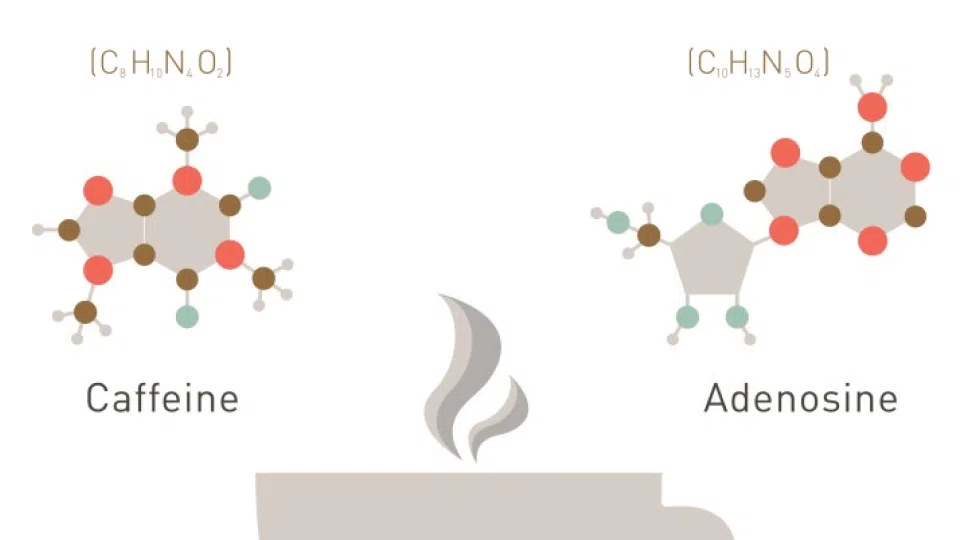
Caffeine works by blocking adenosine receptors in your brain. Here's what that means:
Throughout the day, a neurotransmitter called adenosine builds up in your bloodstream. As levels rise, adenosine fits into receptors (like a key in a lock) and gradually makes you sleepy - this is called "sleep pressure."
Caffeine blocks this process. It fits into the same receptors before adenosine can, preventing you from feeling tired. The problem? Adenosine doesn't disappear - it keeps building up.
Once your body metabolizes the caffeine (3-6 hours later), those receptors become available again. All that built-up adenosine floods your system at once, and you crash hard.
The Dopamine and Norepinephrine Boost
Caffeine also stimulates two other important neurotransmitters:
- Dopamine: Part of your brain's reward system, contributing to caffeine's addictive properties
- Norepinephrine: Triggers your fight-or-flight response, increasing alertness and physical performance
This is why caffeine makes you feel energized and focused - but also why too much causes jitters and anxiety.
Caffeine's Half-Life
Caffeine has a half-life of 3-6 hours. This means it takes your body at least that long to eliminate just half of the caffeine you consumed.
If you drink a double shot of espresso (150mg) at 2 PM:
- By 5-8 PM: ~75mg still in your system
- By 8 PM-2 AM: ~37.5mg still in your system
This is why experts recommend avoiding caffeine 6+ hours before bed if you want quality sleep.
Health Benefits and Risks of Caffeine
Potential Health Benefits
Research shows moderate caffeine consumption may reduce the risk of:
- Heart disease
- Stroke
- Certain cancers
- Parkinson's disease
- Type 2 diabetes
Caffeine is also medically used to treat:
- Tension headaches and migraines
- Apnea of prematurity in newborns
- Bronchopulmonary dysplasia in infants
The Sleep Problem
The biggest downside? Caffeine severely impacts sleep quality. Dr. Matthew Walker, founder of the Center for Human Sleep Science at UC Berkeley, explains in his book Why We Sleep that poor sleep increases risks of:
- Heart disease and diabetes
- Cognitive impairment
- Dangerous mistakes (especially while driving)
- Mood disorders
With 2.2 billion cups of coffee consumed daily worldwide, we're collectively trading sleep quality for wakefulness.
Is Caffeine a Drug? (Yes, and It's Addictive)
Caffeine is absolutely a drug - a psychoactive stimulant that's physically addictive. Regular consumers develop tolerance and experience real withdrawal symptoms when they stop:
- Severe headaches
- Extreme fatigue
- Irritability and mood swings
- Difficulty concentrating
- Flu-like symptoms
Michael Pollan, author of Caffeine: How Caffeine Created the Modern World, went cold turkey for three months while researching his book. He described the withdrawal as "very difficult" and eye-opening.
The book is a must-read if you want to understand caffeine's massive influence on your life and society. You can also listen to his free NPR interview about the experience.
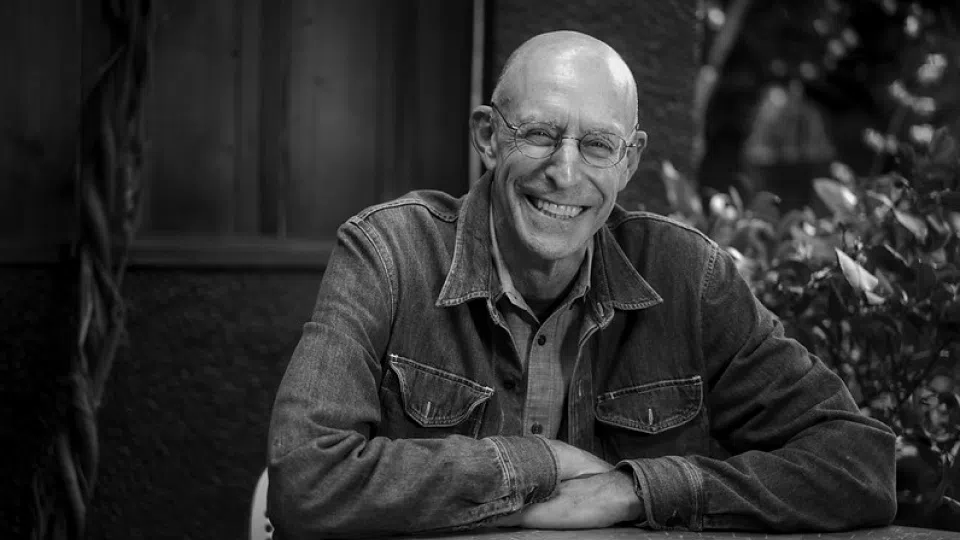
Michael Pollan (photo via Flickr)
Safe Daily Caffeine Limits
For healthy adults: Up to 400mg per day (about 4 cups of coffee or 8 single espresso shots)
For teenagers: Less than 100mg per day (1 cup of coffee or 2 single espresso shots)
Pregnant women: Consult your doctor, but generally 200mg or less is recommended
These limits assume you're healthy and don't have conditions affected by caffeine. Individual tolerance varies based on:
- Age
- Body weight
- Liver function
- Medications
- Pregnancy/breastfeeding status
How to Reduce Your Caffeine Intake
If you're consuming too much caffeine or experiencing negative effects, here's how to cut back:
1. Reduce Gradually
Going cold turkey causes severe withdrawal. Instead:
- Cut your daily intake by 1/4 to 1/2 cup every few days
- Switch one regular coffee to decaf each week
- Reduce energy drink consumption slowly
2. Watch for Hidden Caffeine
Caffeine lurks in unexpected places:
- Pain relievers (Excedrin, Midol)
- Cold medicines
- Chocolate and cocoa products
- Some sodas (Mountain Dew, Dr. Pepper)
- Energy water and "enhanced" beverages
Always check labels if you're trying to limit caffeine.
3. Try Alternative Beverages
- Decaf coffee (still has 2-5mg per cup)
- Herbal teas (caffeine-free)
- Chicory coffee
- Golden milk lattes
- Caffeine-free sodas
4. Get Motivated
Listen to Michael Pollan's audiobook or his NPR interview about cutting caffeine. Hearing his three-month experience provides real insight into how dependent we've become on this drug.
Frequently Asked Questions
▶ How much caffeine is too much?
▶ Does espresso have more caffeine than regular coffee?
▶ Why does Starbucks espresso have more caffeine?
▶ How long does espresso keep you awake?
▶ Is it safe to drink espresso every day?
▶ Can you overdose on espresso?
Conclusion
A single shot of espresso contains 30-50mg of caffeine, while a double shot has 58-185mg - roughly equivalent to a regular cup of coffee. While caffeine offers real benefits like increased alertness and reduced disease risk, it's important to respect safe limits (400mg daily for adults) and understand how it affects your sleep.
The most eye-opening insight? We're far more dependent on caffeine than most of us realize. Michael Pollan's book Caffeine: How Caffeine Created the Modern World is essential reading in a world where 2.2 billion cups of coffee are consumed daily.
Whether you're enjoying your morning espresso or trying to cut back, understanding exactly what caffeine does to your body helps you make informed choices about your consumption.