West African coffee is a hidden gem in the coffee world, equally sought after as East African varieties. While many coffee drinkers focus on Ethiopian and Kenyan Arabica or Ugandan Robusta, West African countries like Côte d'Ivoire and Cameroon rank among the world's largest robusta producers.
The best West African coffee is Safari Pride's Cameroon Mount Oku Premium Single Origin Roast, offering smooth medium-bodied flavors with earthy caramel and chocolate notes. This sustainably sourced coffee delivers rich, unforgettable taste that showcases why West Africa deserves more attention in the specialty coffee market.
Quick Comparison: Top 5 West African Coffees
| Rank | Coffee | Origin | Roast Level | Price | Best For |
|---|---|---|---|---|---|
| 1 | Safari Pride Mount Oku | Cameroon | Medium | $20 | Rich chocolate & caramel lovers |
| 2 | Aroma Ridge Boyo | Cameroon | Medium | $24 | Volcanic soil coffee enthusiasts |
| 3 | Café Boyo Seasonal Select | Cameroon | Medium-Dark | $16 | Fair-trade supporters |
| 4 | Kribi Mount Oku | Cameroon | Medium | $25 | Floral & fruity profiles |
| 5 | Crio Bru Ghana French Roast | Ghana | Dark | $43 | Caffeine-free alternative |
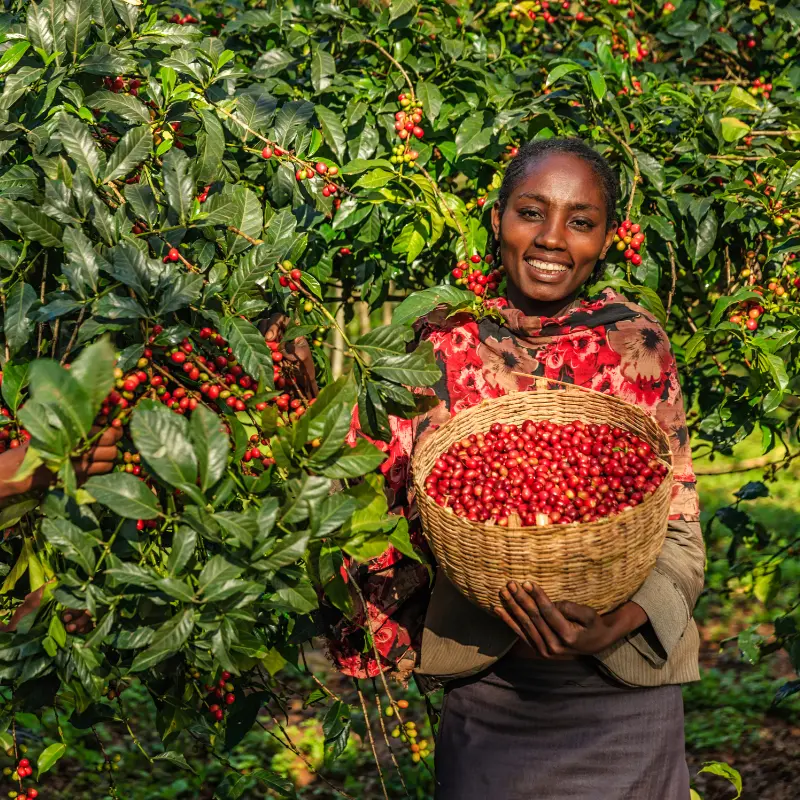
1. Safari Pride - Cameroon Mount Oku Premium Single Origin Roast

Safari Pride delivers exceptional West African coffee from Cameroon's Mount Oku region. This premium single-origin roast showcases smooth medium-bodied flavor with earthy caramel and chocolate notes that coffee enthusiasts love.
Why it's our top pick: The combination of sustainable farming practices and distinctive flavor profile sets this coffee apart. It works beautifully across multiple brewing methods—drip, cold brew, and pour-over all produce excellent results.
The coffee comes from ethically sourced beans, supporting fair pay for African farmers while delivering rich drinks with layers of fruit, nut, and chocolate complexity.
2. Aroma Ridge - Cameroon Boyo Coffee Whole Bean

Aroma Ridge sources rare, hand-selected beans from Cameroon's nutrient-rich volcanic soil. These whole beans offer a unique flavor profile that's both rich and aromatic.
What makes it special: The volcanic soil terroir creates distinctive characteristics you won't find in other coffees. Hand-picking ensures only the best beans make it to your cup.
Perfect for coffee lovers who want to grind fresh beans at home, this coffee rewards those who take time to properly brew and extract its complex flavors.
3. Jimmy's Vegan - Café Boyo Seasonal Select Single-Origin Cameroon Coffee

This organic, fair-trade certified coffee from Bafut, Cameroon, features a delightful medium-dark roast profile with complex tasting notes. Small-batch roasting maximizes freshness and aroma.
The social impact edge: Every purchase supports sickle-cell relief efforts in Bafut, Cameroon, making this coffee choice meaningful beyond the cup.
The highland-grown beans deliver a balanced profile that appeals to both medium and dark roast enthusiasts, with seasonal variations that keep things interesting.
4. Kribi Coffee Air Roastery UK - Mount Oku Single Origin Medium Roast

Grown at 1,370 meters in Cameroon, this medium roast showcases caramel sweetness, red cherry notes, and delicate floral characteristics. The washed processing method creates a clean, bright taste.
High-elevation advantage: The altitude contributes to complex flavor development and exceptional clarity in the cup. Washed processing enhances these natural qualities.
This coffee appeals to those who appreciate nuanced flavors and a more refined drinking experience. It's excellent for slow pour-over methods that highlight its complexity.
5. Crio Bru - Ghana French Roast Brewed Cacao

While technically brewed cacao rather than coffee, Crio Bru offers a unique West African alternative. Made from 100% pure ground cacao beans from Ghana, it brews like coffee but delivers rich chocolate flavor without the caffeine.
The caffeine-free option: With 99.99% caffeine-free content, this provides a gentle energy boost from theobromine instead. Rich in flavonoids and magnesium, it offers wellness benefits alongside great taste.
Perfect for those who love coffee rituals but need to limit caffeine, or anyone seeking to explore West African flavors beyond traditional coffee.
West African Coffee: The Major Producing Countries
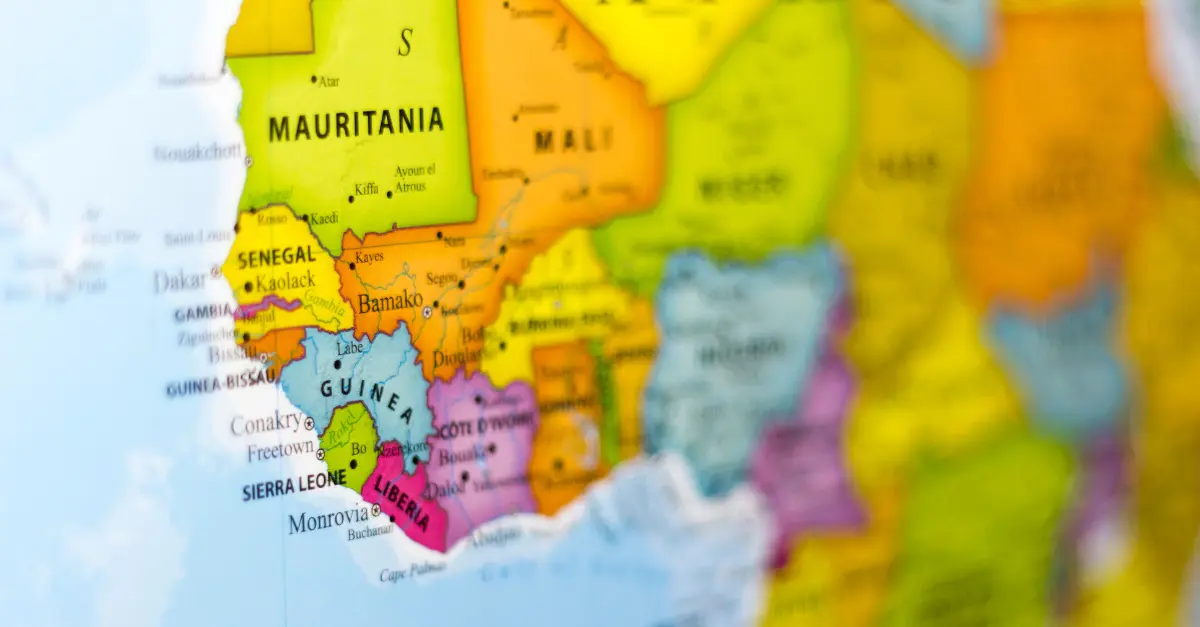
Most West African countries produce robusta coffee, though some cultivate arabica and unique varieties. Cameroon grows both robusta and arabica, while Liberia produces robusta and its native Liberica variety.
Coffee production happens across these 9 West African countries:
- Côte d'Ivoire (largest producer)
- Cameroon
- Togo
- Guinea
- Nigeria
- Ghana
- Sierra Leone
- Burkina Faso
- Liberia
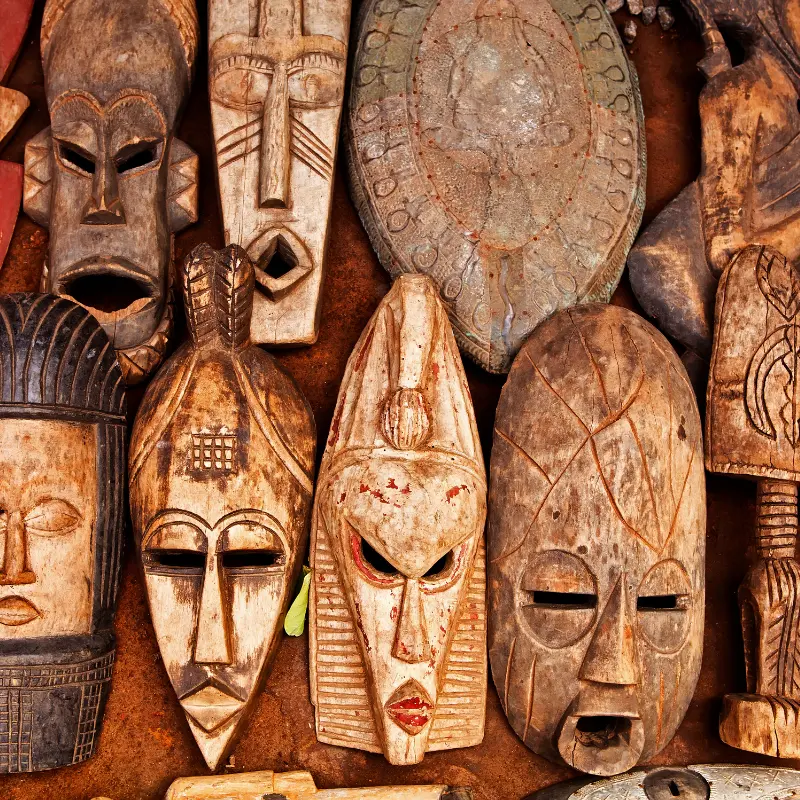
Côte d'Ivoire: West Africa's Coffee Giant
Côte d'Ivoire ranks as Africa's third-largest coffee producer and West Africa's largest. The country produces 238 million pounds annually (1.2% of global production), grown in the Abboisso, Abengorous, and Divo regions.
Key facts:
- 100% Robusta and Arabusta varieties
- Natural processing method
- Earthy, bitter flavor with coarse texture
- Harvest season: August to January
By the 1970s, Côte d'Ivoire was the third-largest coffee producer globally. However, civil wars since 2000 significantly impacted production. The country is now rebuilding its coffee industry with government support and modern processing equipment.
Cameroon: Quality and Variety
Cameroon produces 75 million pounds annually, offering 80% robusta and 20% arabica—unusual diversity for West Africa. The country grows coffee across seven regions, with arabica in western highlands and robusta in coastal areas.
Flavor profiles:
- Robusta: Rich, earthy, full, nutty
- Arabica: Mellow chocolate, fruity, floral, sweet
- Harvest season: September to December
Cameroon's arabica goes primarily to Belgium, USA, Germany, and Italy, while robusta exports to France. About 5% of production stays local for domestic consumption.
Guinea's Prized Macenta Variety
Guinea produces 21 million pounds annually, mostly robusta. However, the Ziama Macenta variety stands out as the world's most sought-after robusta.
What makes Macenta special: This variety offers bright acidity, no bitterness, smoothness, and sweetness comparable to arabica—while maintaining robusta's high caffeine and excellent crema. Unfortunately, limited yields and poor infrastructure restrict availability.
Why West African Coffee Remains Lesser Known
Several factors contribute to West African coffee's lower profile compared to East African varieties:
Limited specialty market presence: Most West African coffee exports as green beans for instant coffee mixes or espresso blends rather than single-origin offerings.
Robusta focus: The region produces primarily robusta, which lacks the specialty coffee cachet of arabica varieties from Ethiopia and Kenya.
Political challenges: Many countries experienced civil conflicts, resource mismanagement, and government neglect of the coffee sector.
Infrastructure issues: Limited investment in processing facilities, education for farmers, and transportation networks hampers quality improvement.
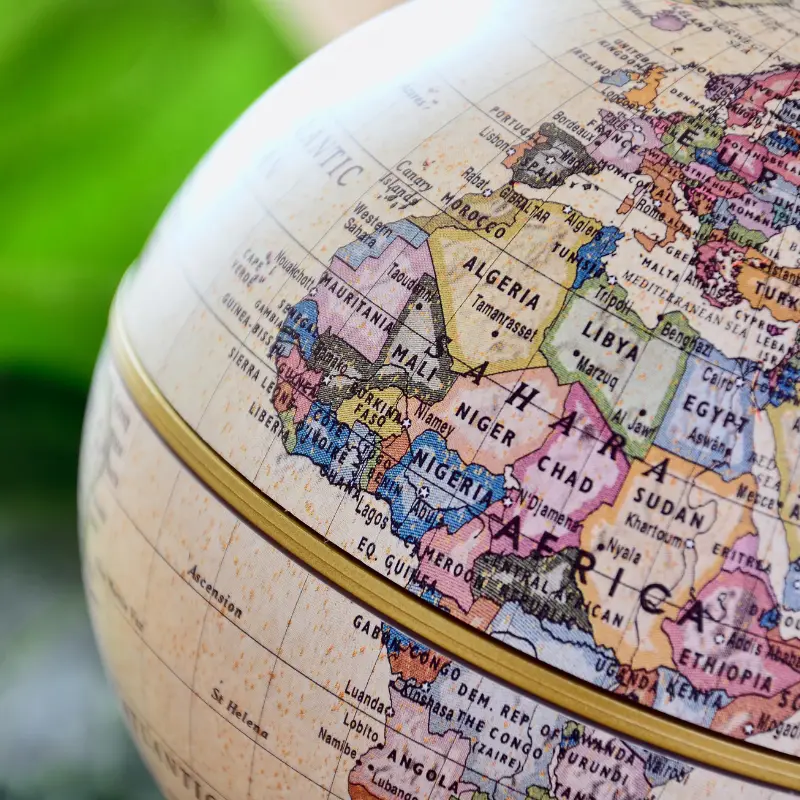
The Future of West African Coffee
West African coffee holds significant potential for growth. Côte d'Ivoire's government is now investing in farmer education and modern equipment, positioning the country to reclaim its status as a major producer.
Promising developments:
- Increased government support and investment
- Growing interest in specialty robusta
- Development of unique varieties (Arabusta, Macenta)
- Improved processing and quality control
- Political stabilization in key producing countries
Countries like Sierra Leone are exploring the Stenophylla highland variety, which some experts believe could rival arabica's taste profile. With proper resources and development, West Africa could emerge as a major player in specialty coffee.
Frequently Asked Questions
▶ What does West African coffee taste like?
▶ Is West African coffee good quality?
▶ Why is West African coffee less expensive than East African?
▶ Which West African country produces the best coffee?
▶ Can I buy West African coffee as single-origin?
Conclusion
West African coffee deserves more recognition in the specialty coffee world. While the region faces challenges from political instability to infrastructure limitations, it produces distinctive coffees with unique flavor profiles.
From Cameroon's volcanic soil coffees to Guinea's prized Macenta robusta, West Africa offers coffee experiences you won't find elsewhere. As governments invest in the industry and specialty roasters discover these origins, expect West African coffee to gain the recognition it deserves.
Ready to explore West African coffee? Start with our top pick, Safari Pride's Cameroon Mount Oku, to experience the region's distinctive earthy caramel and chocolate notes.